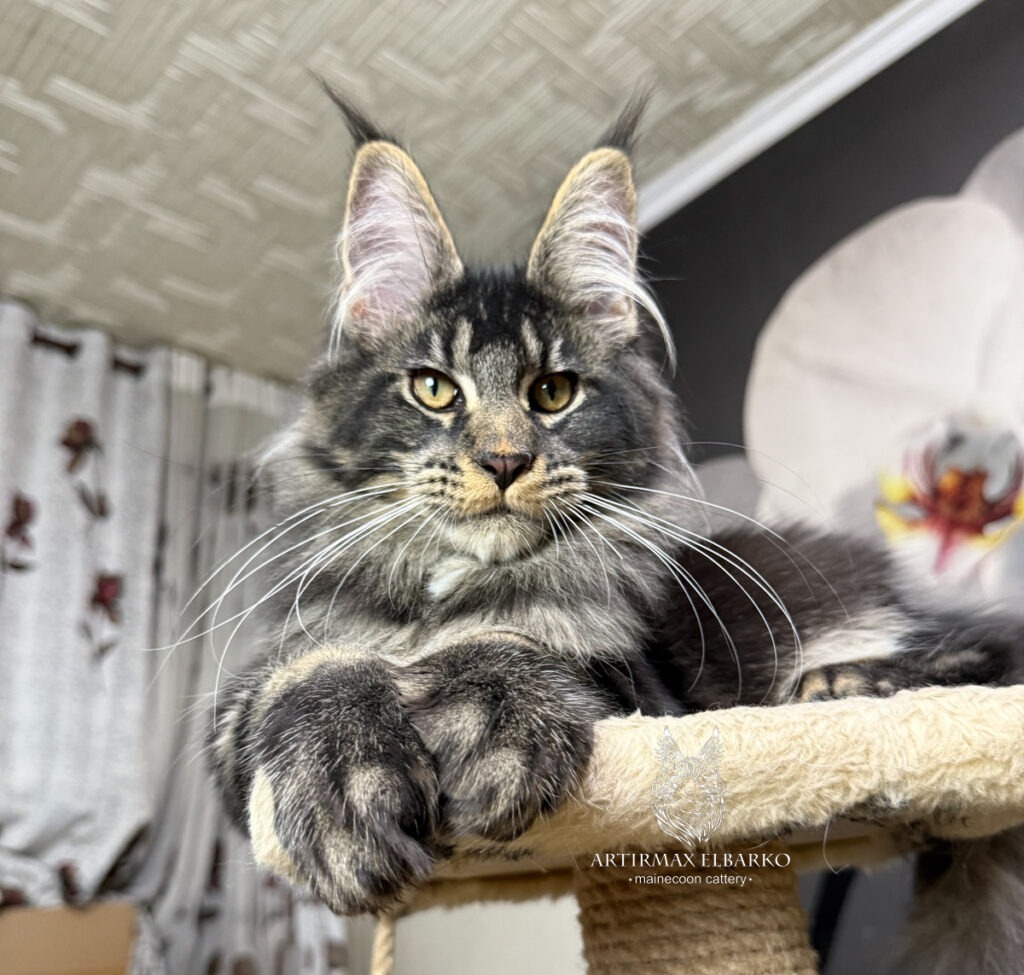
Why Cats Need Whiskers — And Why They Are So Important
Many people think whiskers are just part of a cat’s appearance — something decorative and cute. But in reality, whiskers are one of the most important sensory tools a cat has.
A cat does not simply see the world — it feels it. At the same time, whiskers do not replace vision, but work together with it. A cat sees very well, especially in low light, and its eyes are adapted to detect movement. However, vision alone is not enough for precise navigation and hunting.
How Cats Perceive Space
Whiskers, or vibrissae, are deeply embedded in the skin and connected to a dense network of nerve endings. They are extremely sensitive and capable of detecting even the slightest movement of air. This allows a cat to understand what is around it without direct contact and refine what it sees.
In low light or complete darkness, this becomes critical. A cat does not rely only on vision — it builds a map of space through air currents, vibrations, and subtle environmental changes. With the help of whiskers, it determines where objects are, how far they are, and whether it can pass through an opening. If the whiskers fit — the body usually will too.
Whiskers and Hunting Precision
Whiskers play a crucial role during hunting. The eyes detect movement and locate the target, but whiskers provide precision. When a cat catches prey, its whiskers move forward and slightly downward, gently touching the prey. Even if the prey is no longer moving, the cat continues to monitor it. The slightest vibration is enough to trigger a reaction and confirm that the hunt is truly over.
What Happens Without Whiskers
If a cat loses or damages its whiskers, it does not simply become less precise — it loses one of its key survival tools. In darkness, where vision is limited, whiskers allow the cat to detect movement, calculate distance, and understand space accurately.
Without them, a cat is no longer a precise nocturnal hunter. It cannot confidently locate prey, judge distance, or fully rely on its instincts. A hunt that would normally take seconds turns into hesitation, mistakes, and failure. Such cats are forced to rely more on daylight, where vision can partially compensate for the loss of sensory information. In many ways, this changes everything.
Why Mother Cats Sometimes Bite Off Their Kittens’ Whiskers
Sometimes you may notice that the most active and curious kittens suddenly have shorter whiskers.
At first glance, this may seem harsh. But it has a purpose.
By slightly reducing the kitten’s sensory precision, the mother cat lowers its confidence. The kitten becomes more cautious, explores less recklessly, and is less likely to get into dangerous situations.
In simple terms, she slows the kitten down.
For a small and inexperienced kitten, this can be a matter of safety.
Whiskers Are Not Decoration
Whiskers are not just a detail of appearance. They are a complex sensory system that works together with vision and allows a cat to move with precision, confidence, and control — even when light is limited.