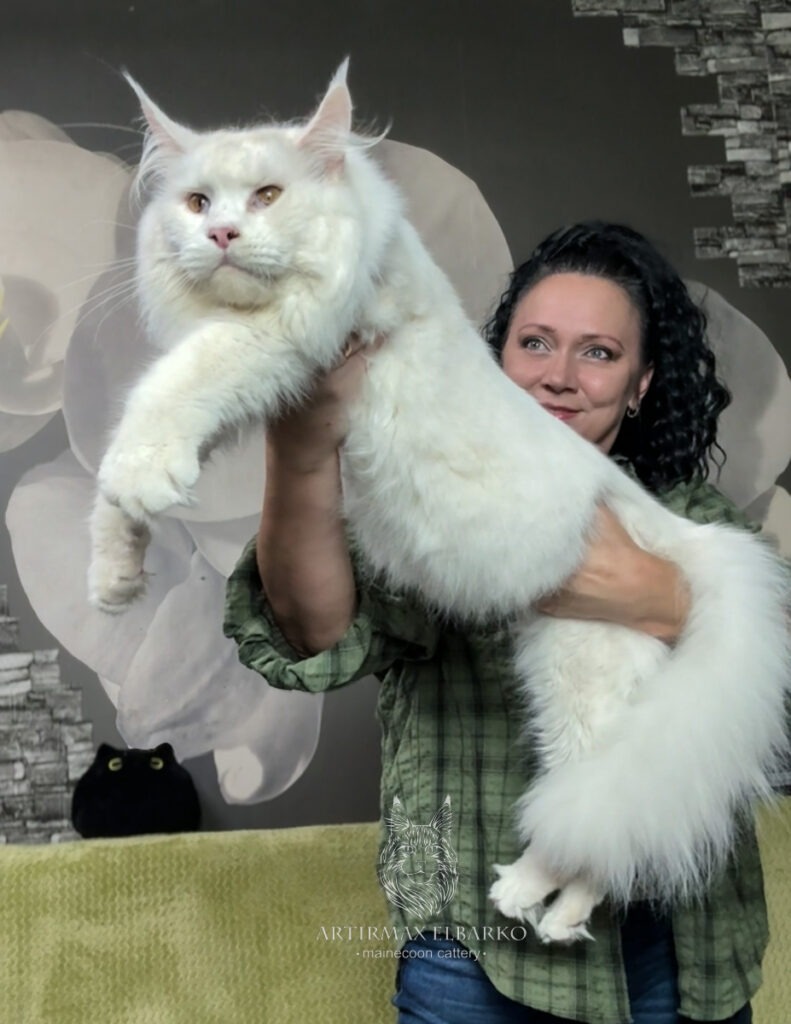
The appearance of the Maine Coon — its large size, tufted ears, bushy tail, and distinctive coat — has given rise to many legends about its origin. Even the second part of the breed’s name, “coon,” which translates as “raccoon,” has contributed to these stories.
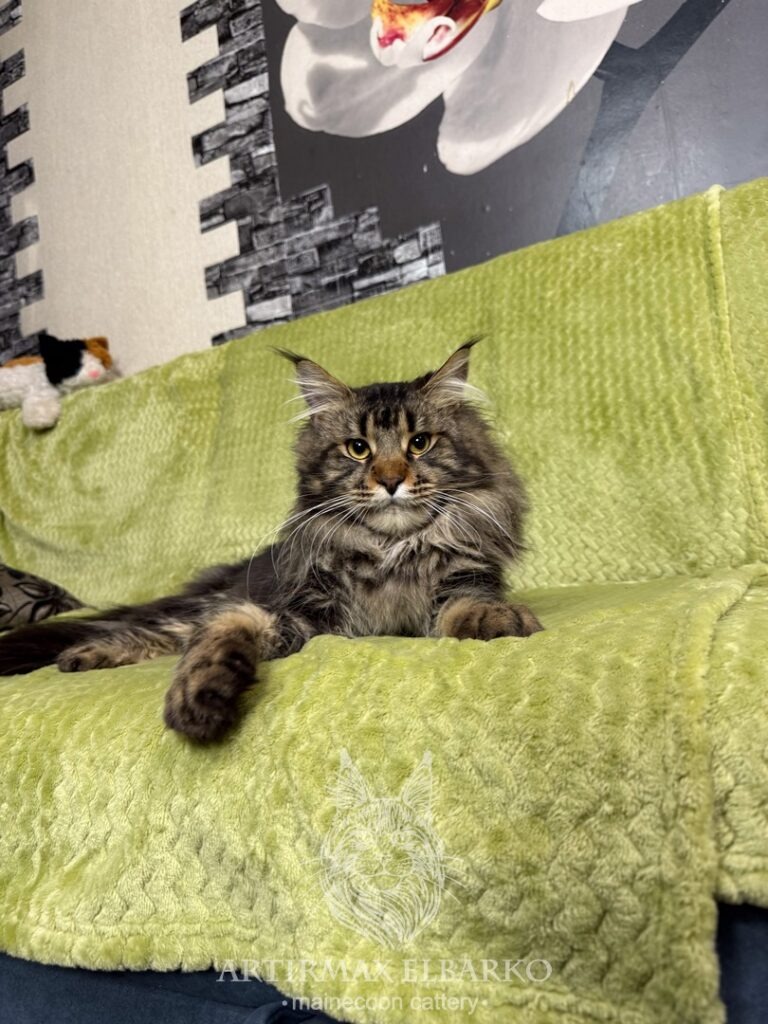
Legends
Legend One: Wild Ancestors
One popular legend suggests that the Maine Coon descended from wild animals such as the North American lynx or even the raccoon. This idea is often based on their ear tufts, large size, and fluffy tail.
However, from a genetic point of view, this is impossible. Domestic cats cannot interbreed with lynxes or raccoons.
Legend Two: The Queen’s Cats
Another well-known story takes us back to 18th-century France. During the French Revolution, Queen Marie Antoinette allegedly attempted to escape and sent her belongings — including her beloved long-haired cats — to America.
Although the escape never happened, the cats are said to have arrived in North America, where they may have contributed to the development of the Maine Coon breed.
Legend Three: The Captain “Coon”
There is also a story about a sea captain nicknamed “Coon,” who loved cats and always traveled with many long-haired companions — Persians, Angoras, and others.
During his voyages, kittens were born and left in different ports, including along the American coast. According to this legend, these cats played a role in the formation of the Maine Coon.
The Real Origin of the Maine Coon
In reality, the Maine Coon is a natural breed. It was not created through intentional crossbreeding but developed over time under environmental conditions.
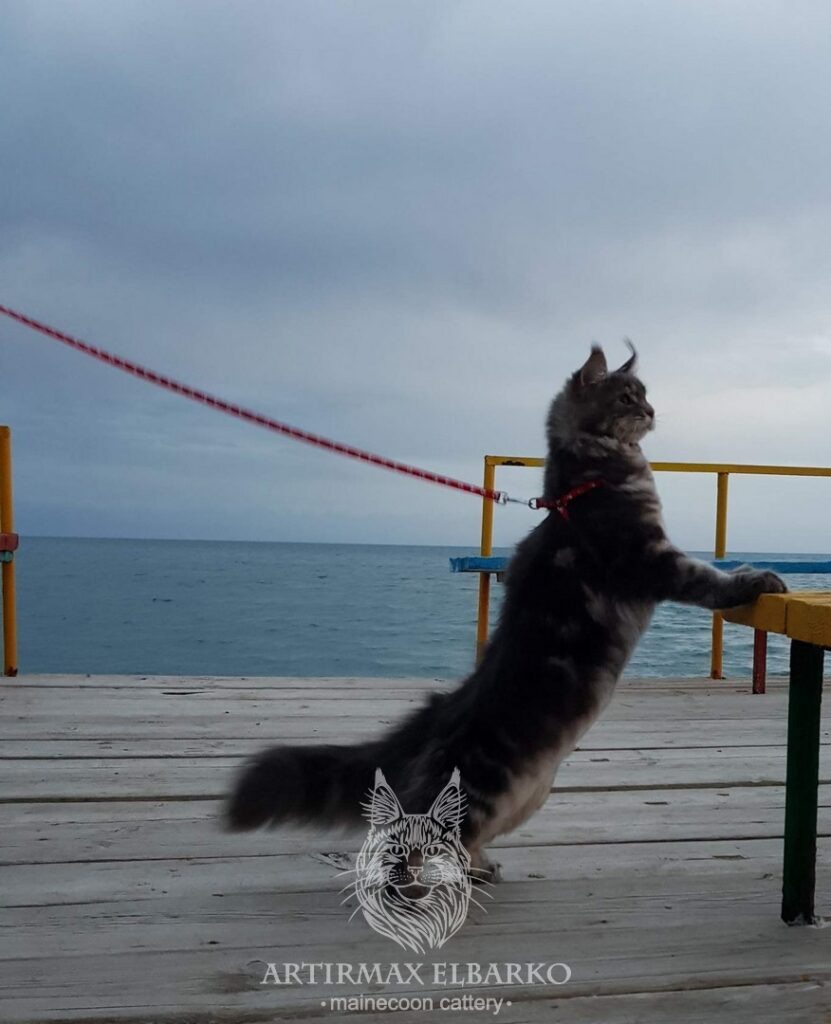
How the Breed Developed
The first settlers in North America were mostly poor and brought with them simple, short-haired cats. These cats were hardy, strong, and excellent hunters.
Later, wealthier settlers arrived with long-haired, more refined cats.
The mixing of these two types, combined with natural selection and the needs of farmers, gradually formed what we now know as the Maine Coon.
Natural Selection
The harsh climate of the northeastern United States played a crucial role in shaping the breed.
Only cats that could survive cold winters and difficult conditions remained.
These cats developed:
long, thick fur
strong, powerful bodies
large paws adapted for snow
intelligence and independence
Farmers preferred cats that were not only strong but also capable of hunting and surviving on their own.
Why Maine Coons Became So Large
At that time, there was a strong culture of competition among farmers in America. People tried to breed the largest livestock — the biggest bulls, the most productive cows, and even the strongest animals in general.
It is believed that this same mindset influenced the development of larger cats. Having the biggest and strongest cat was also something to be proud of.
Early Recognition
In the mid-19th century, Maine Coons were first presented at local fairs in the state of Maine.
These cats quickly attracted attention due to their size and appearance.
In the late 1800s, they became widely popular across the northeastern United States.
In 1895, a Maine Coon named Cosey won Best in Show at a major cat show in Madison Square Garden in New York.
Decline and Revival
At the beginning of the 20th century, Maine Coons lost popularity due to the rise of Persian cats.
For several decades, the breed was rarely seen at major shows.
However, dedicated breeders continued working with the breed, preserving its qualities.
By the 1970s, Maine Coons regained recognition and were officially accepted in major feline associations such as CFA.
Modern History
Today, the Maine Coon is one of the most popular cat breeds in the world.
It is valued not only for its impressive appearance but also for its temperament — balanced, intelligent, and deeply connected to people.
Despite all the legends, the real history of the Maine Coon is no less fascinating — it is a story of natural development, adaptation, and survival.