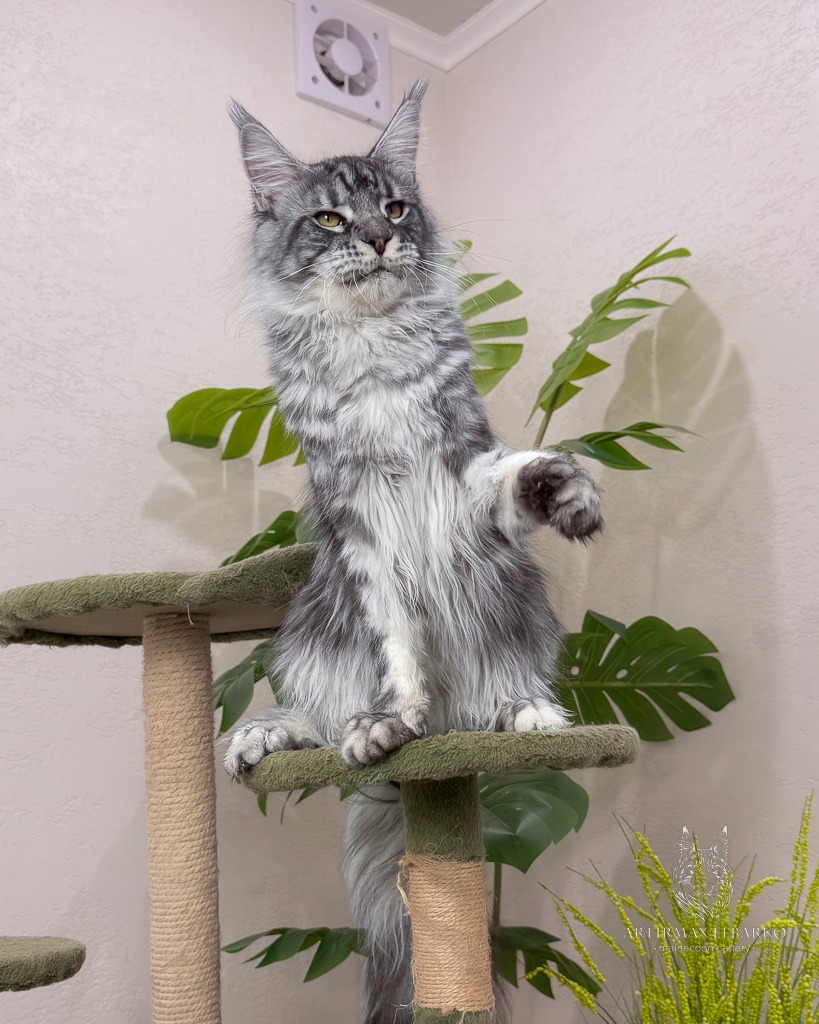
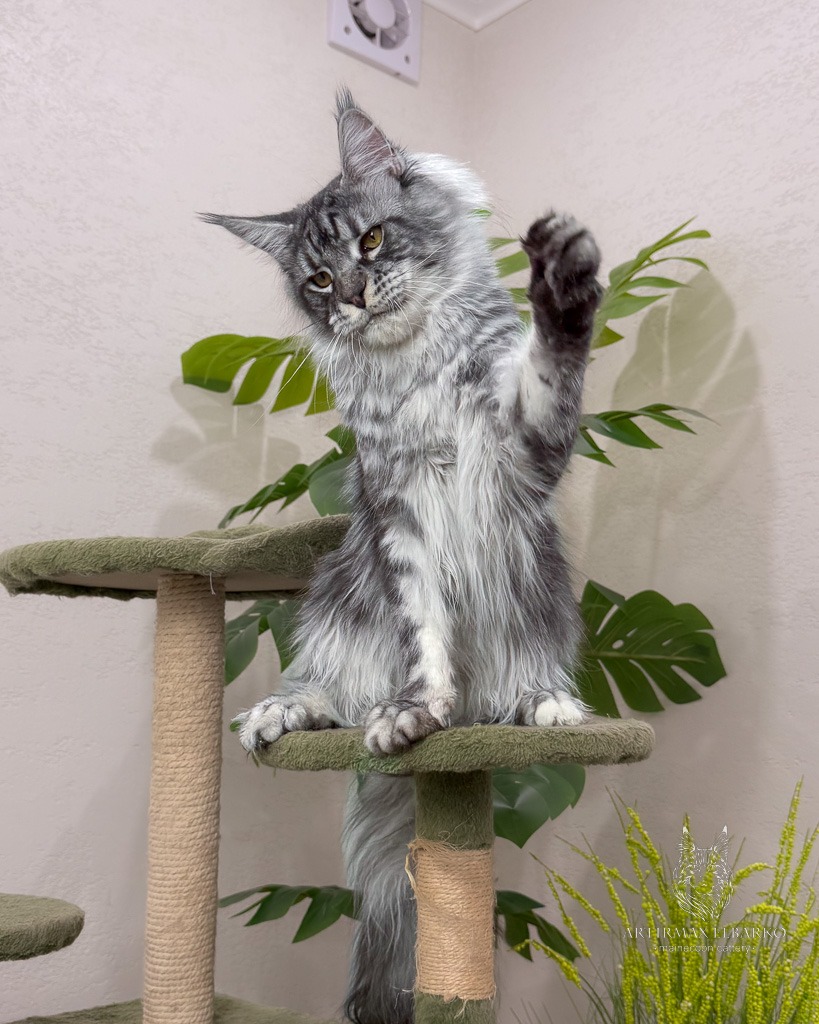
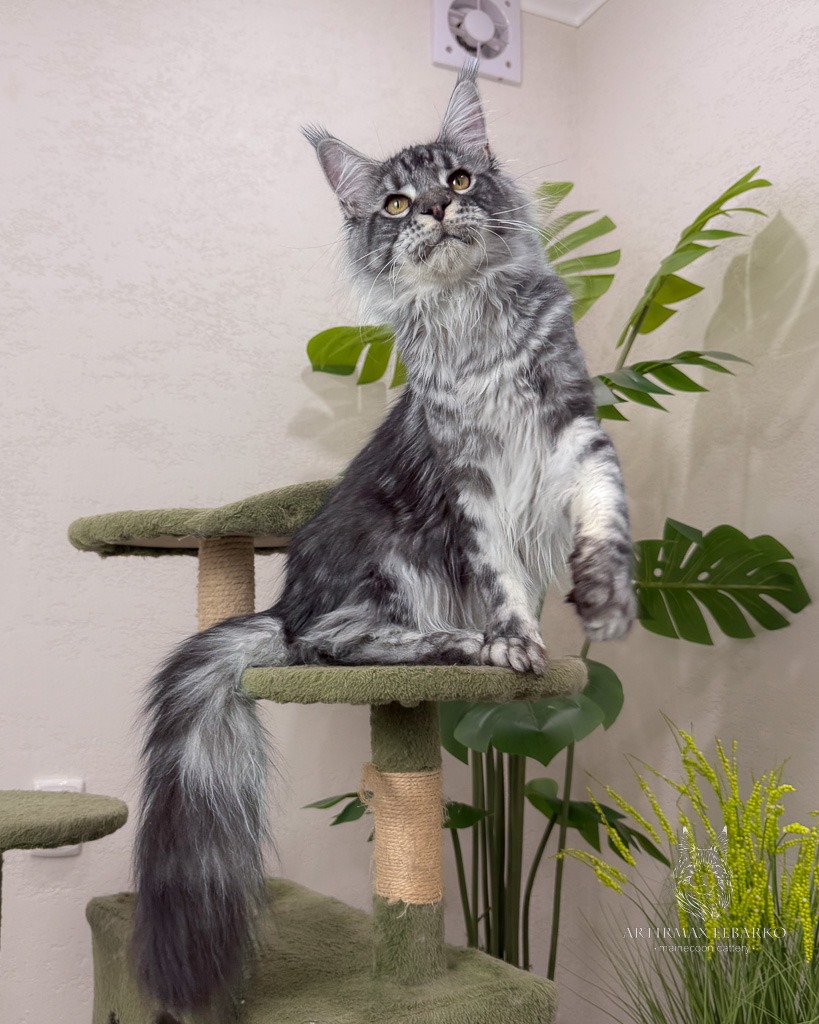
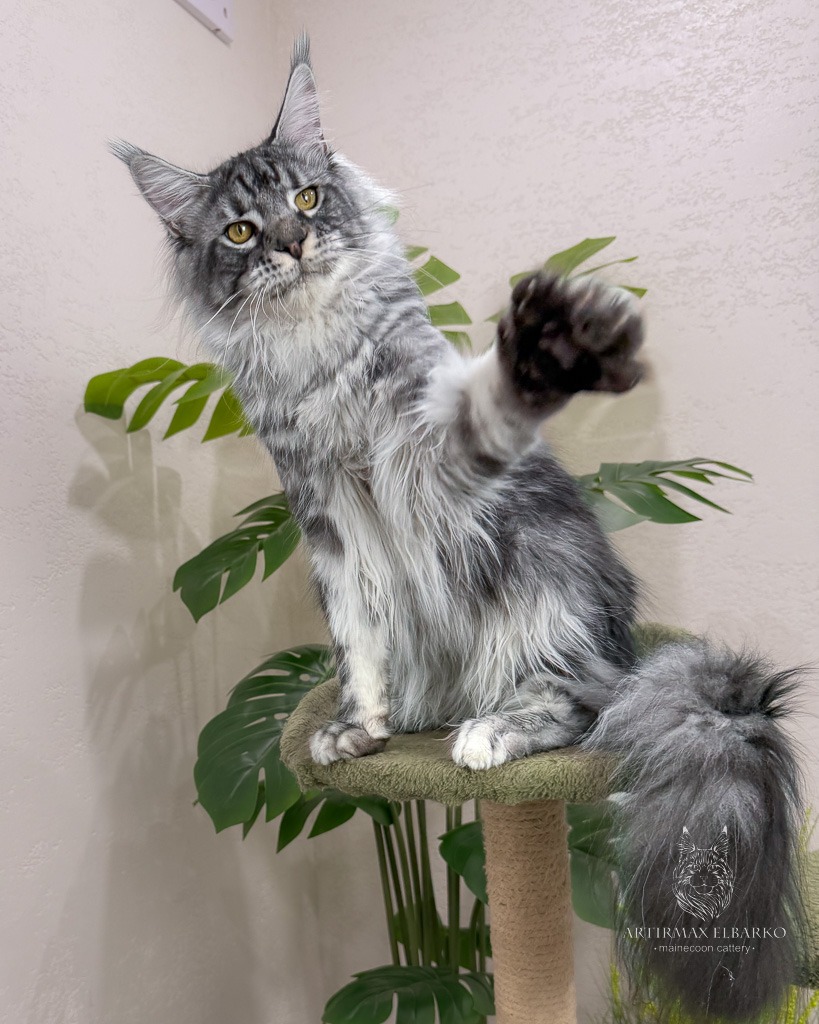
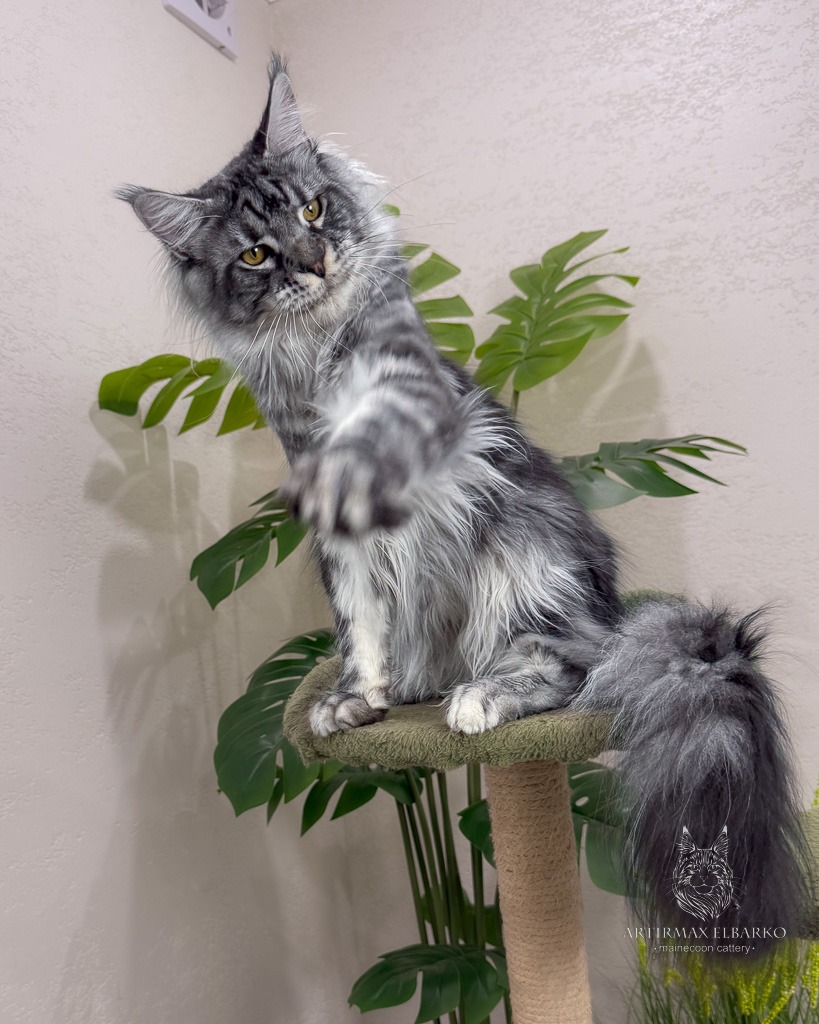
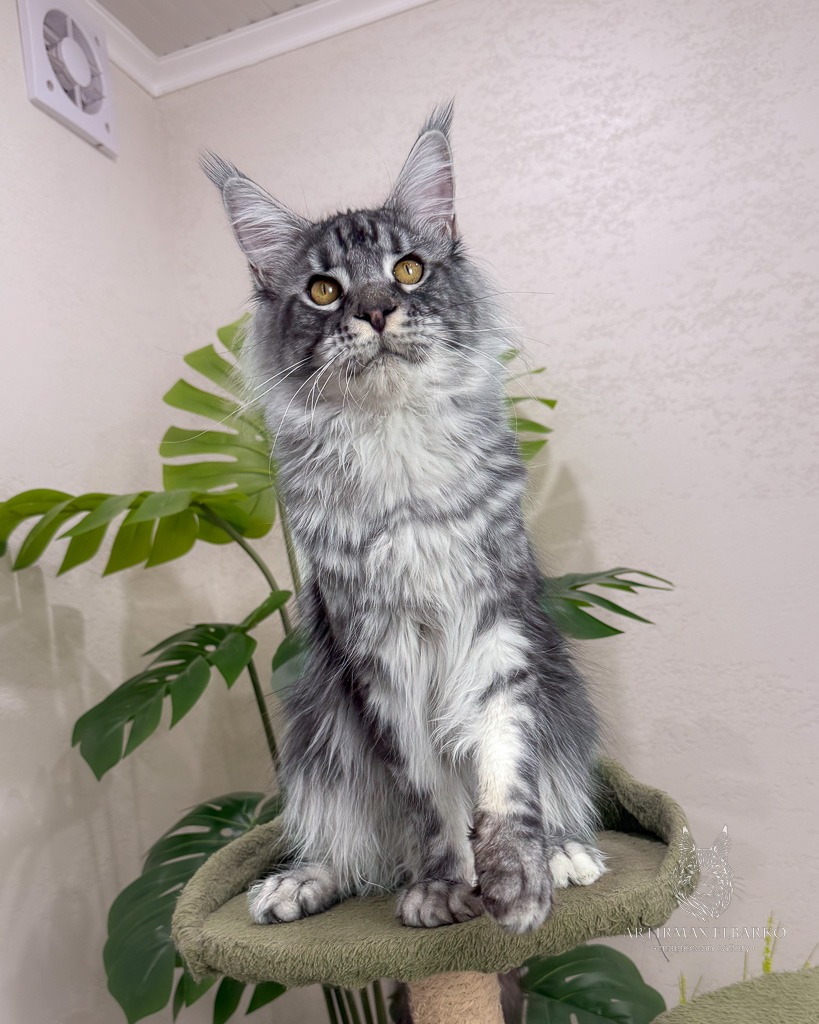
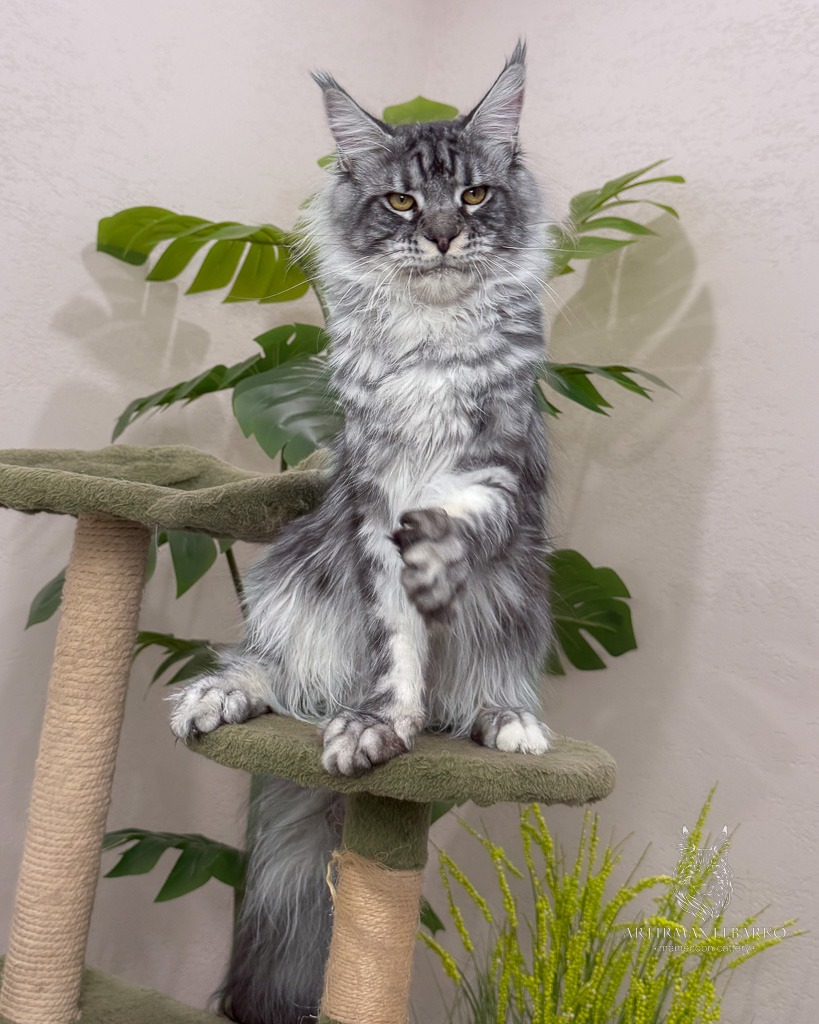
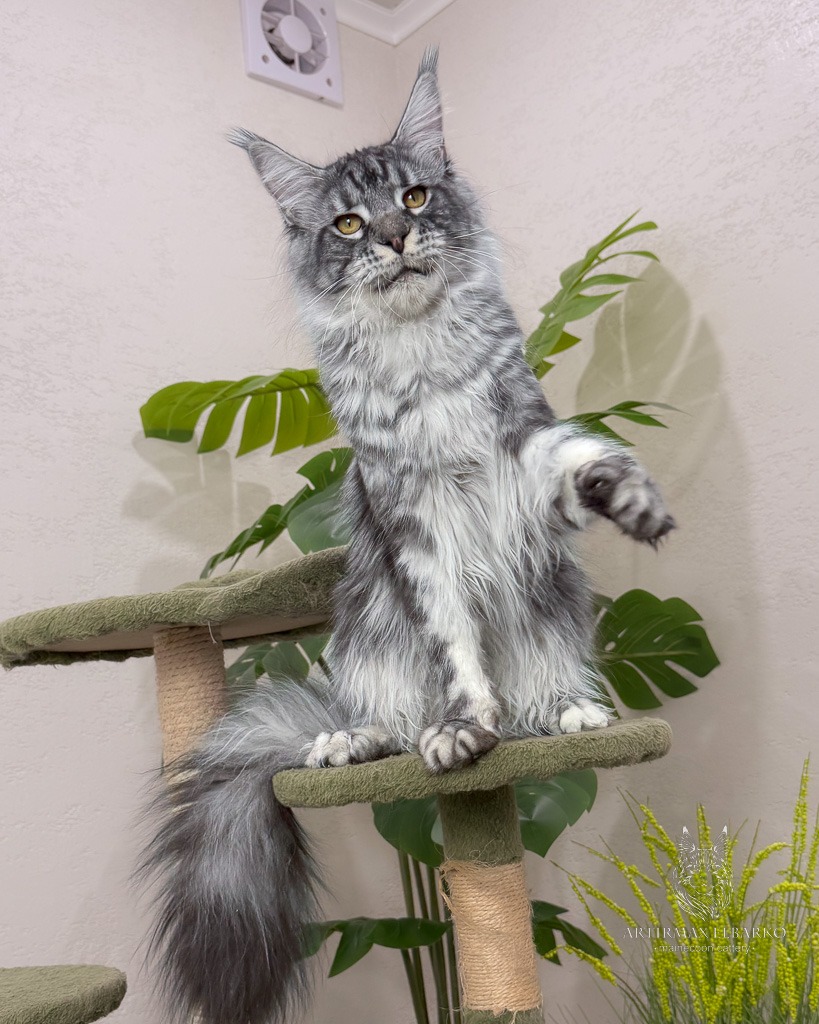
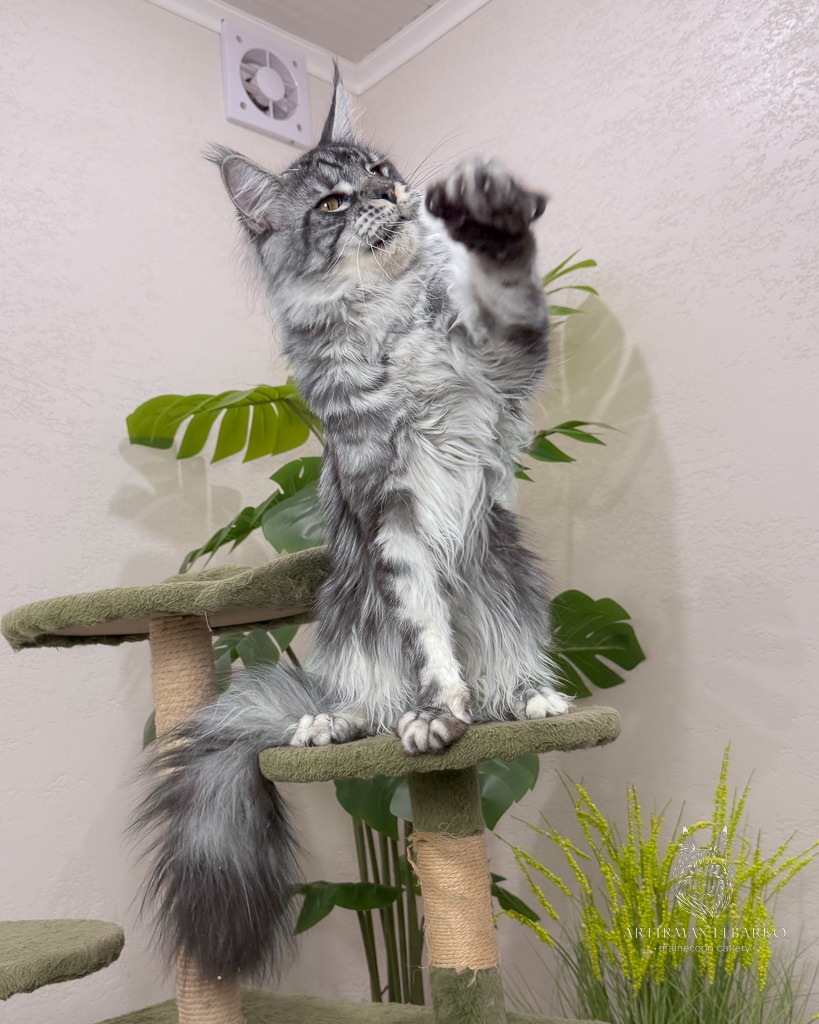
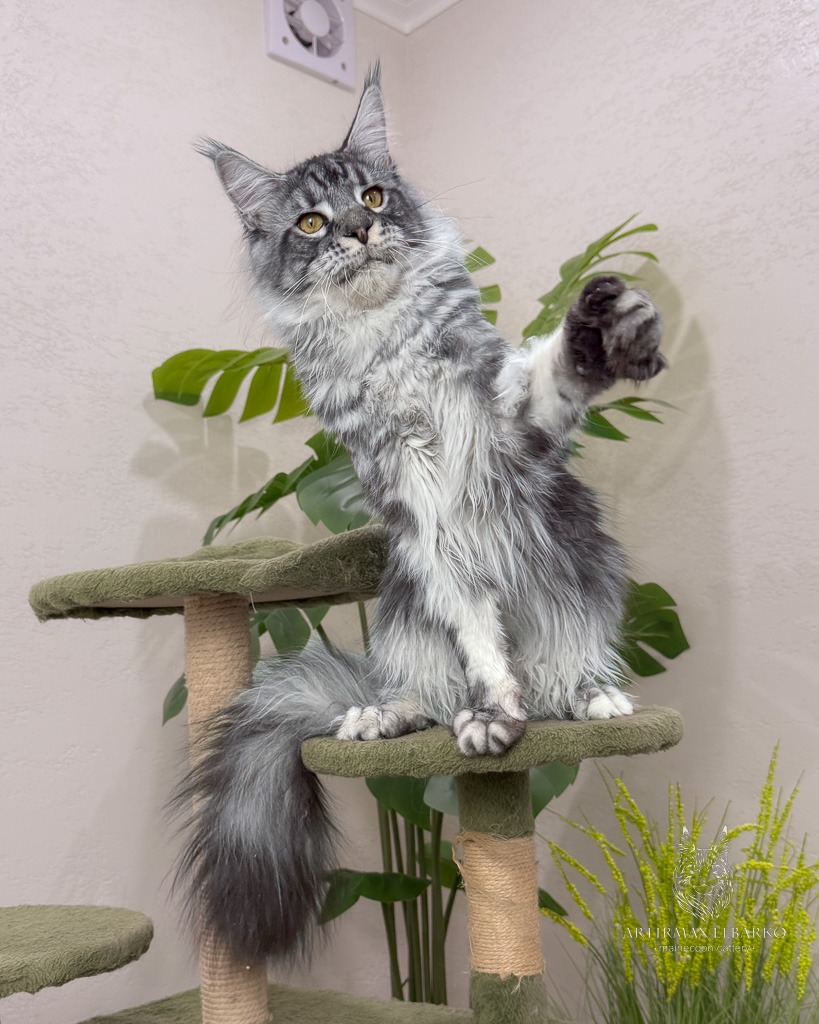
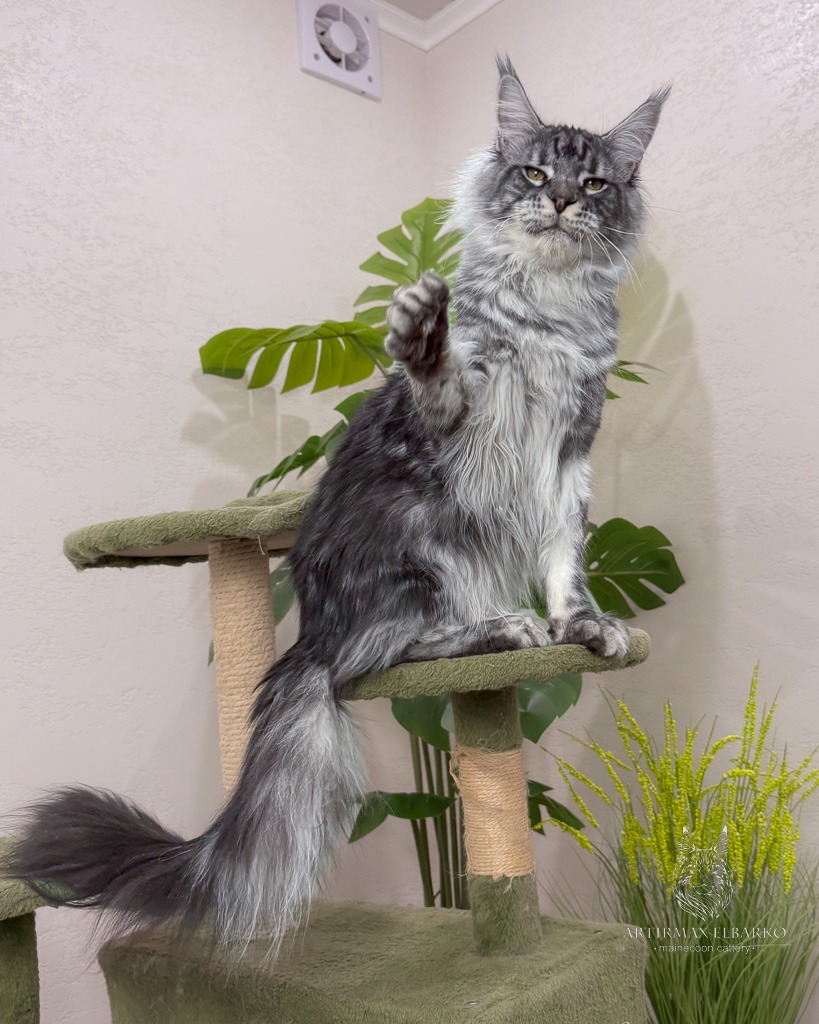
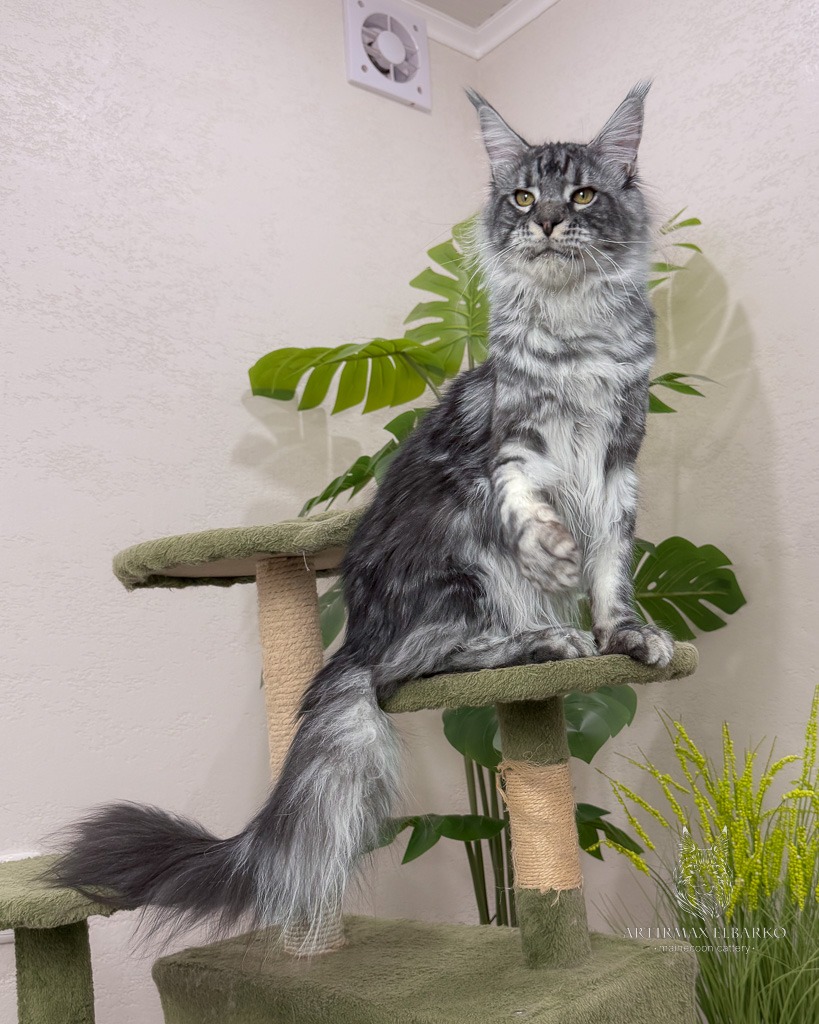
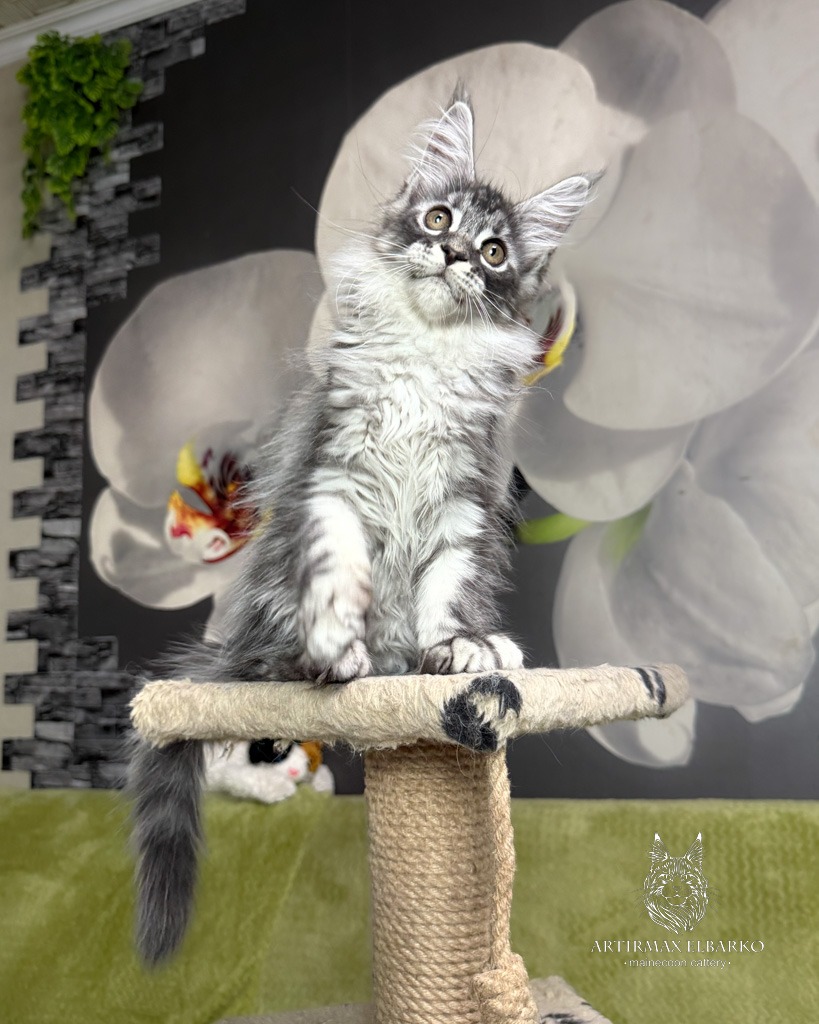
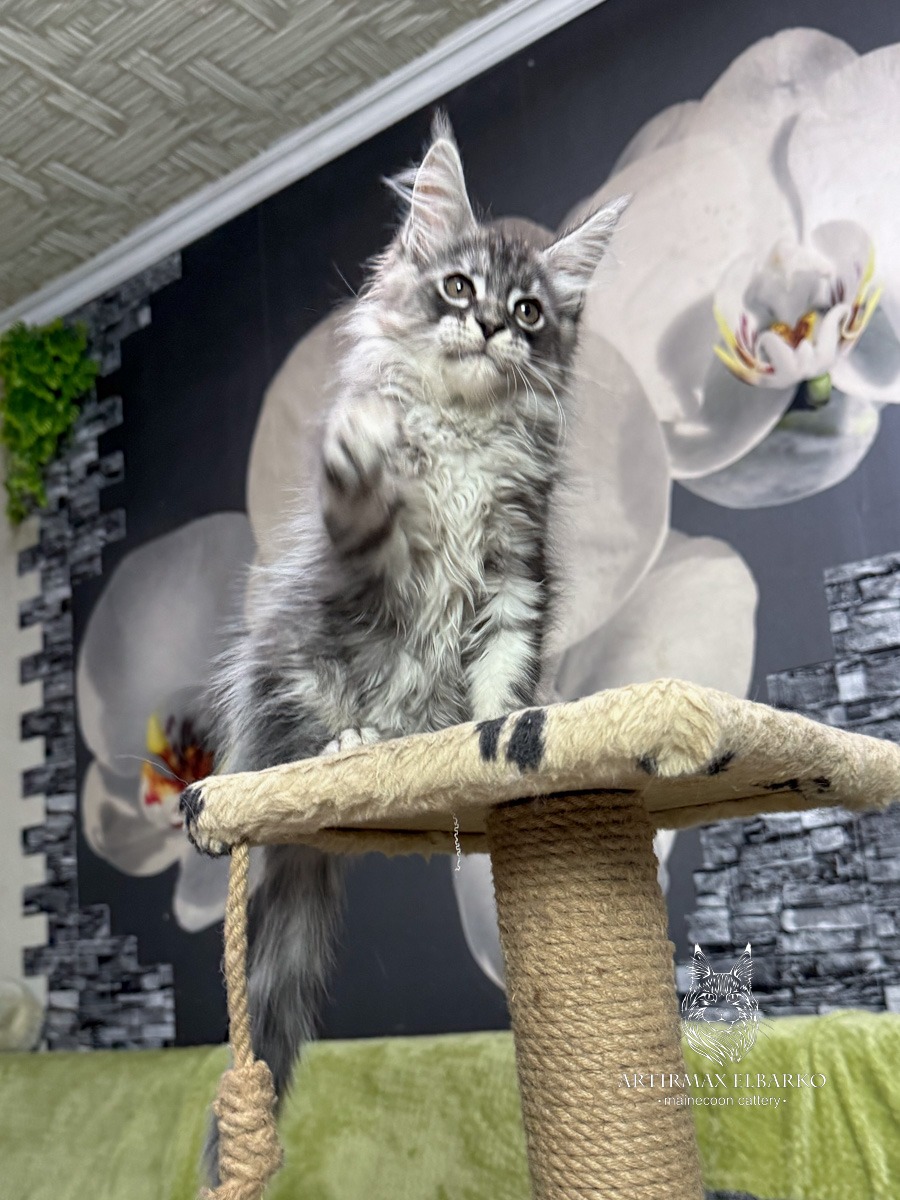
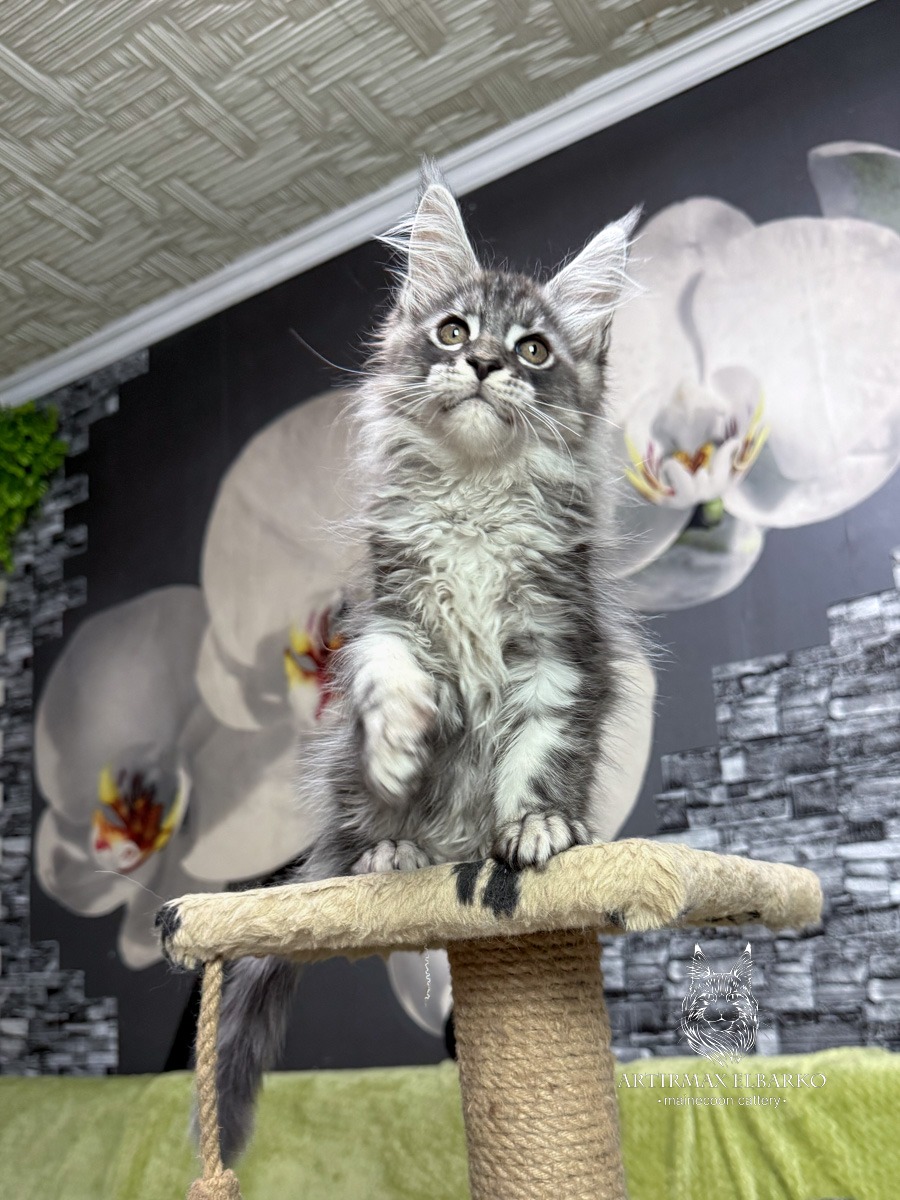
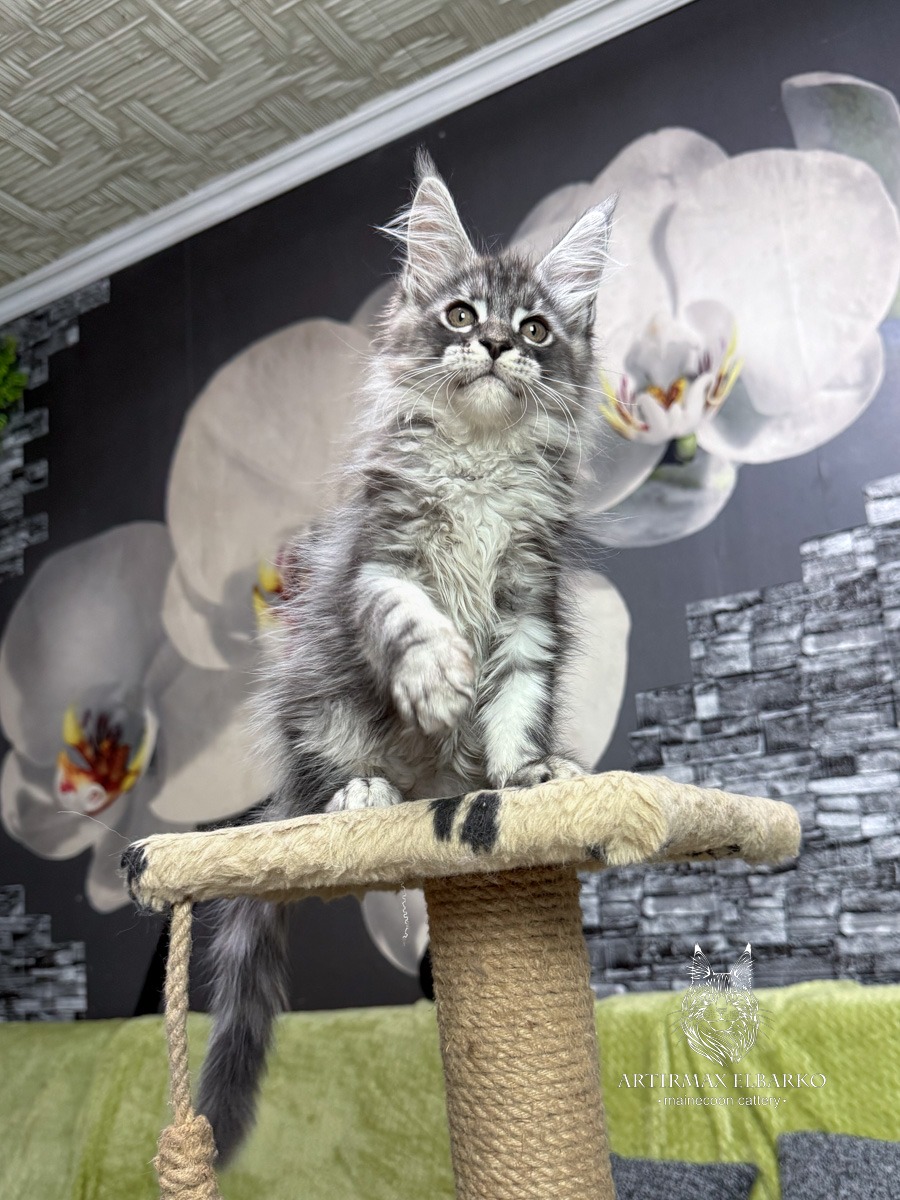
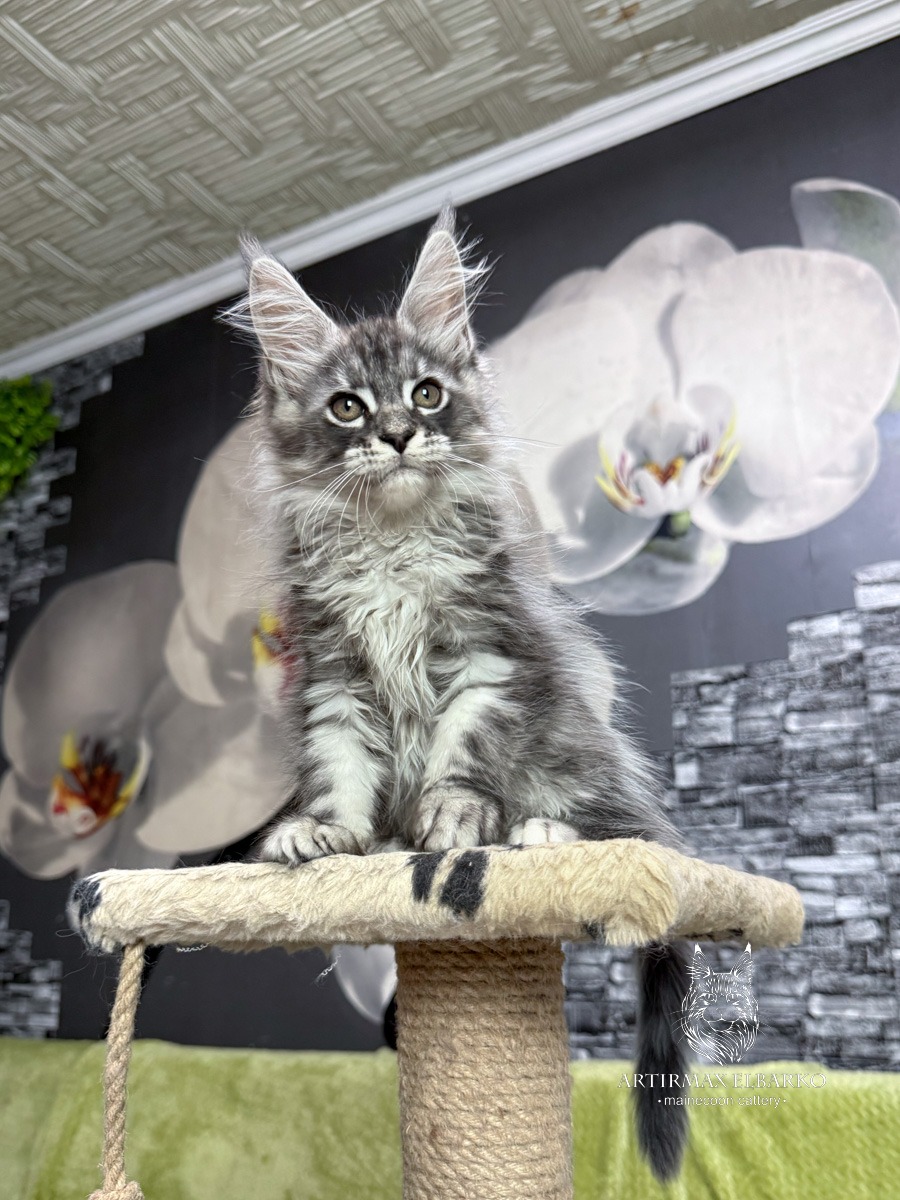
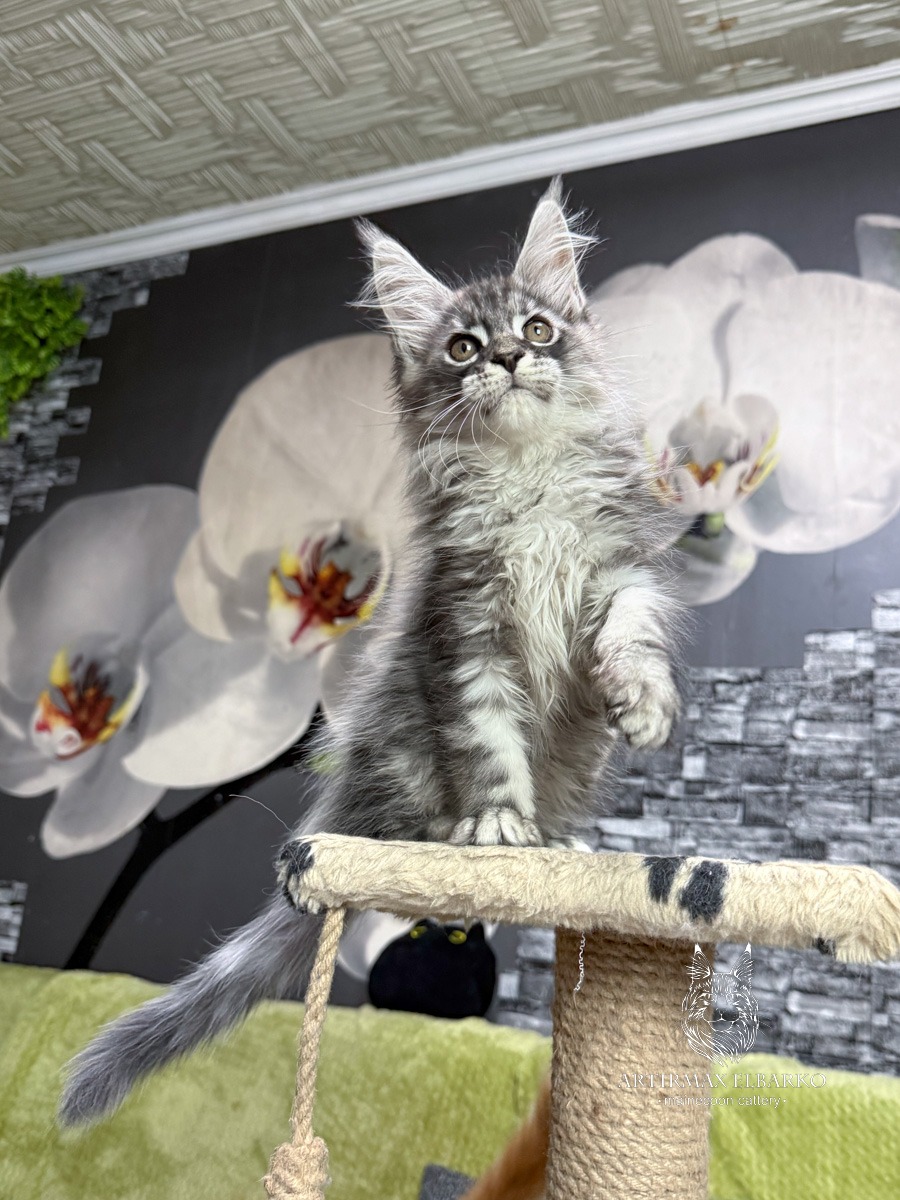
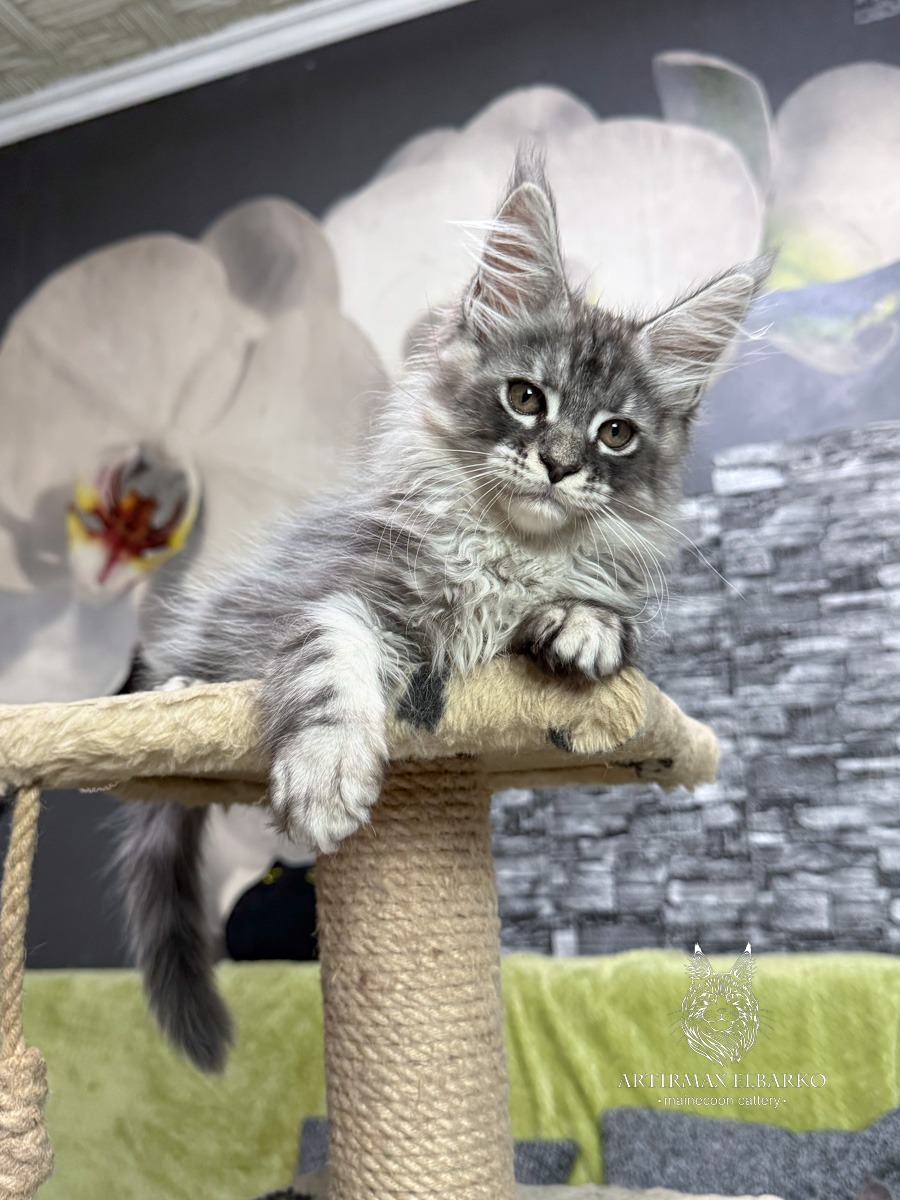
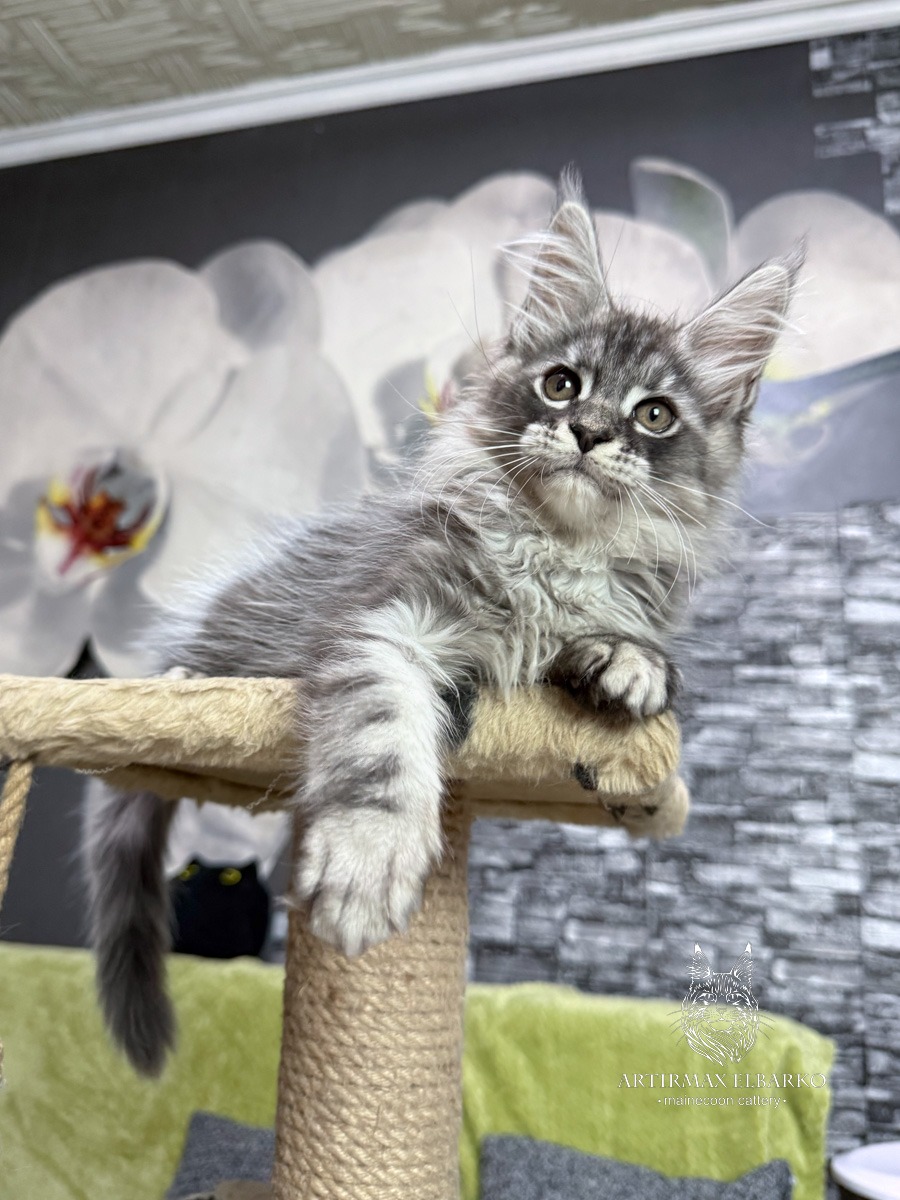
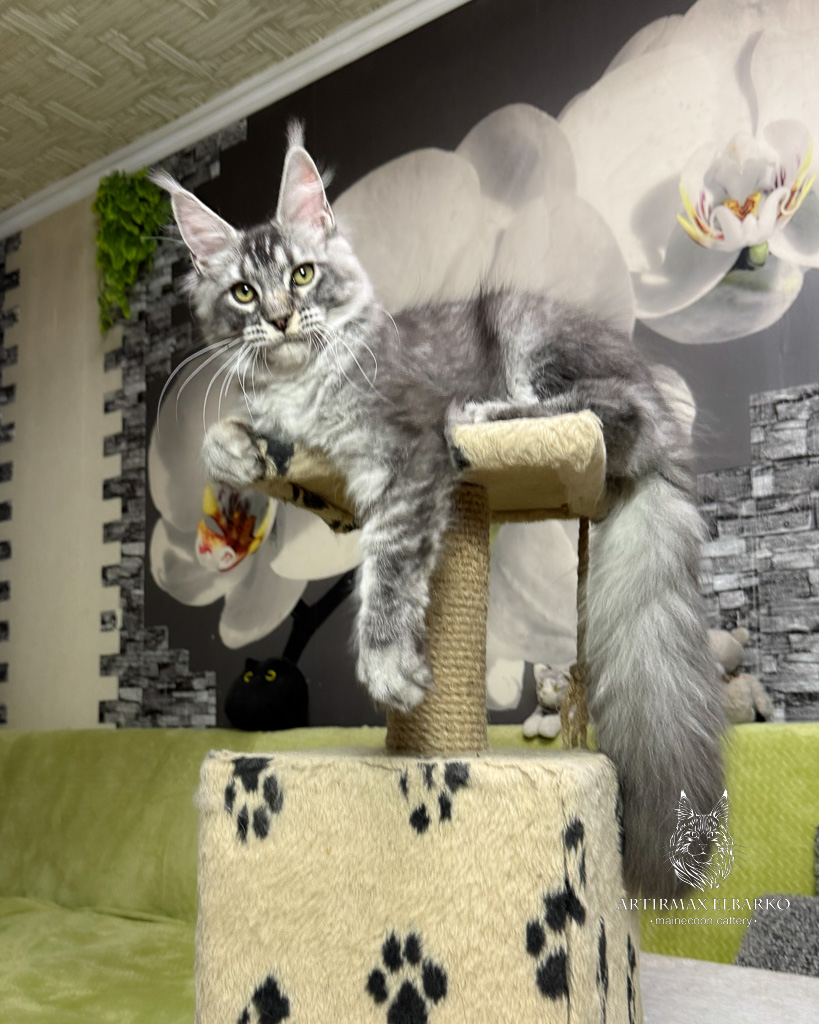
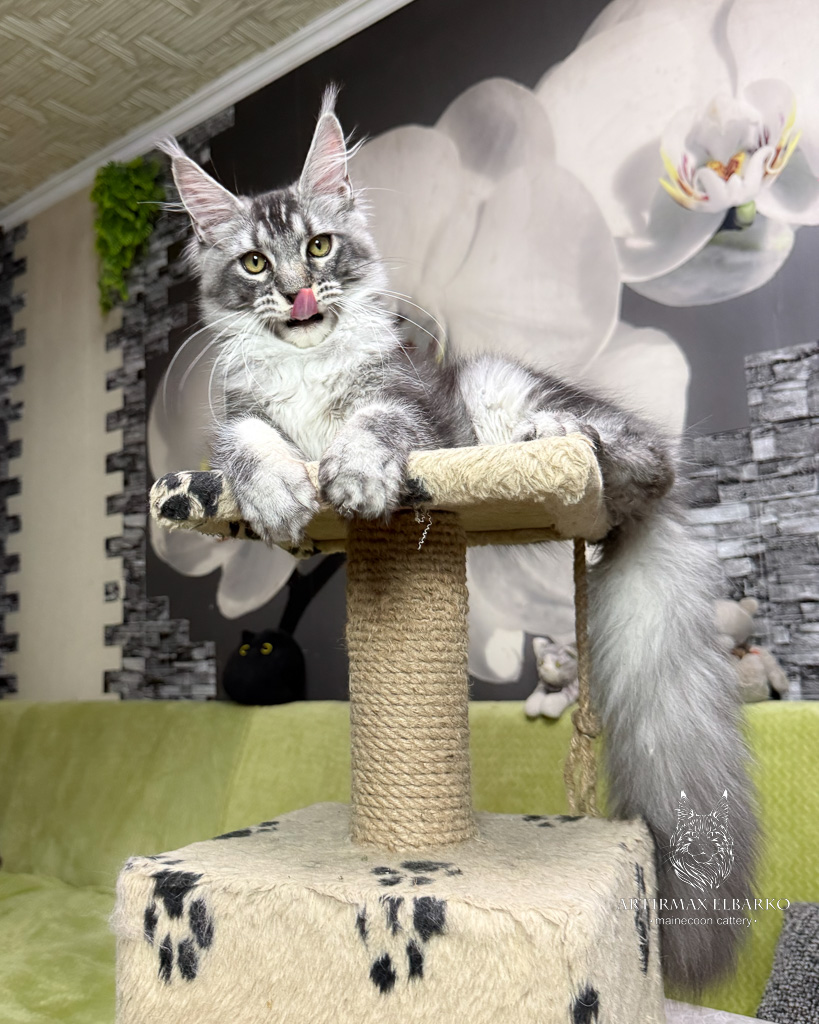
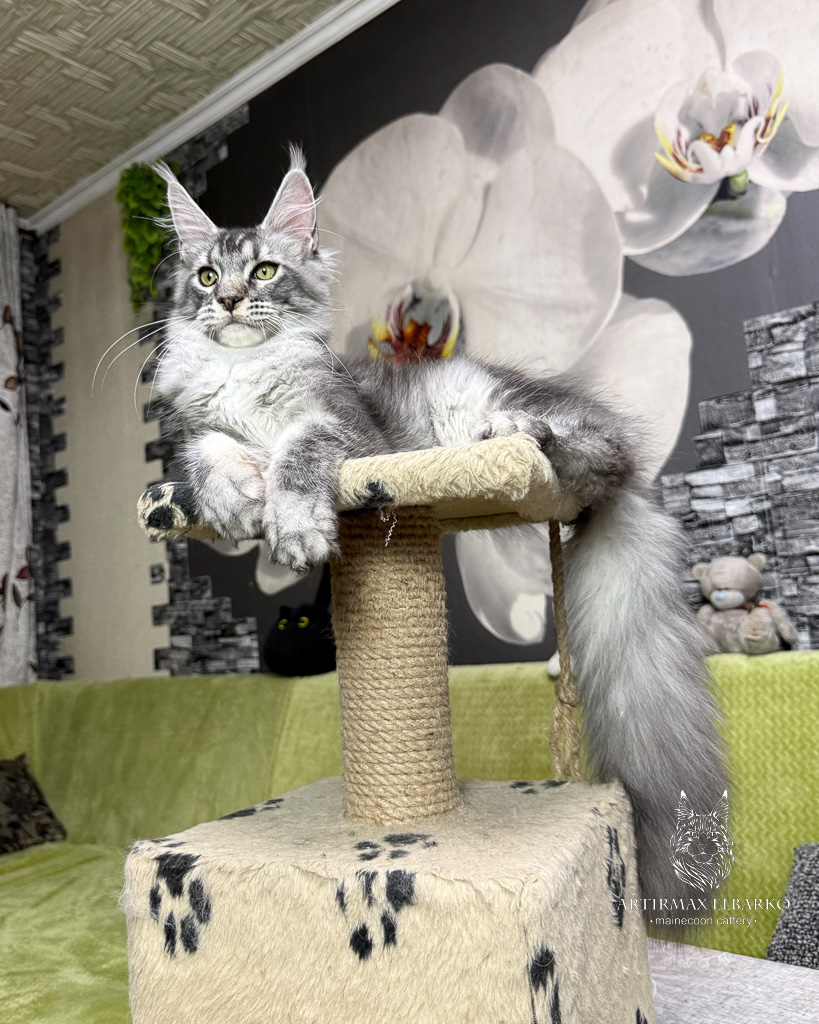
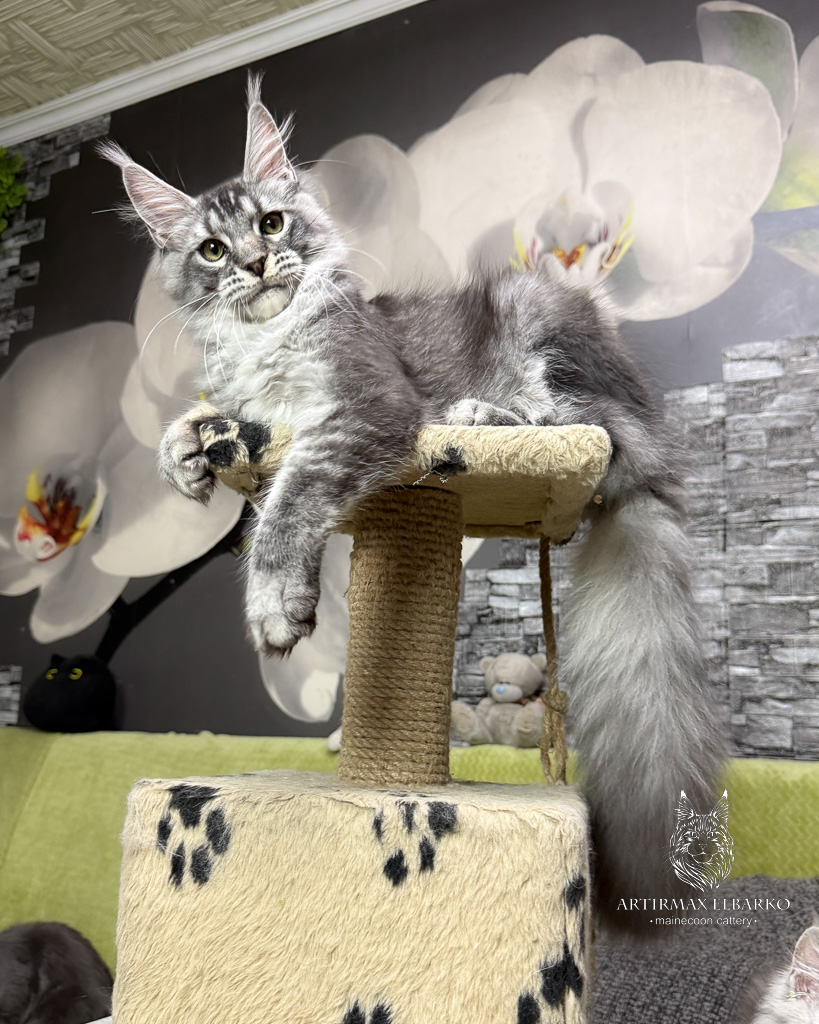
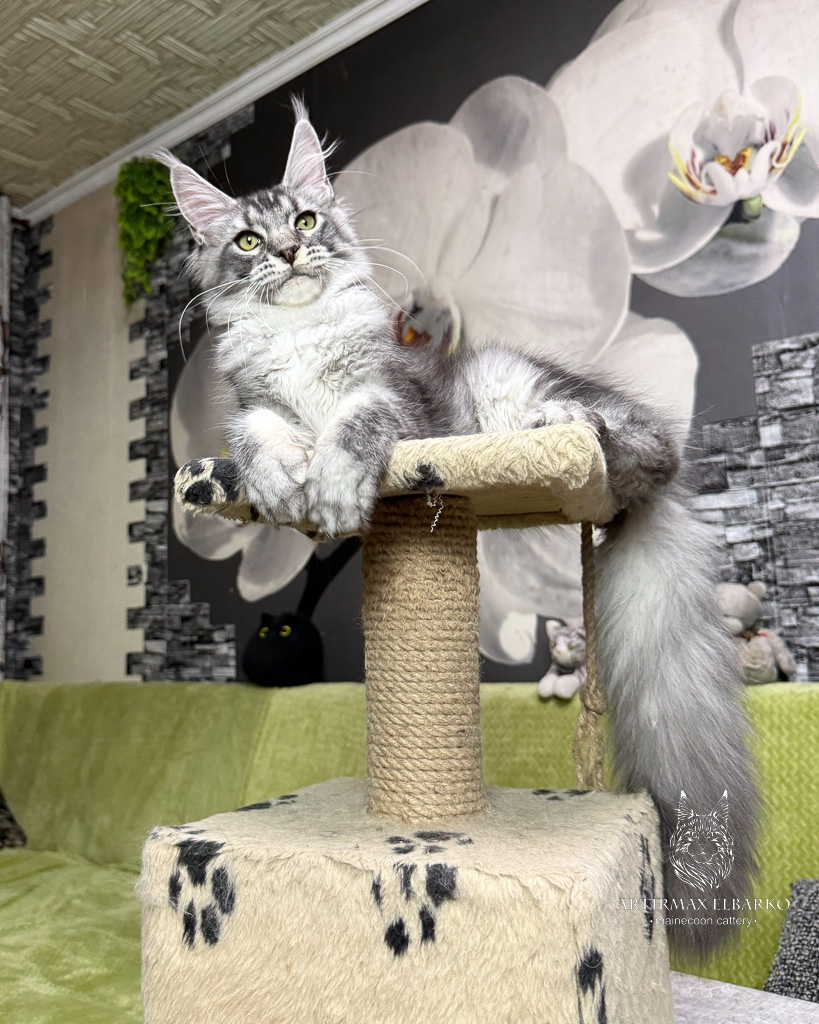
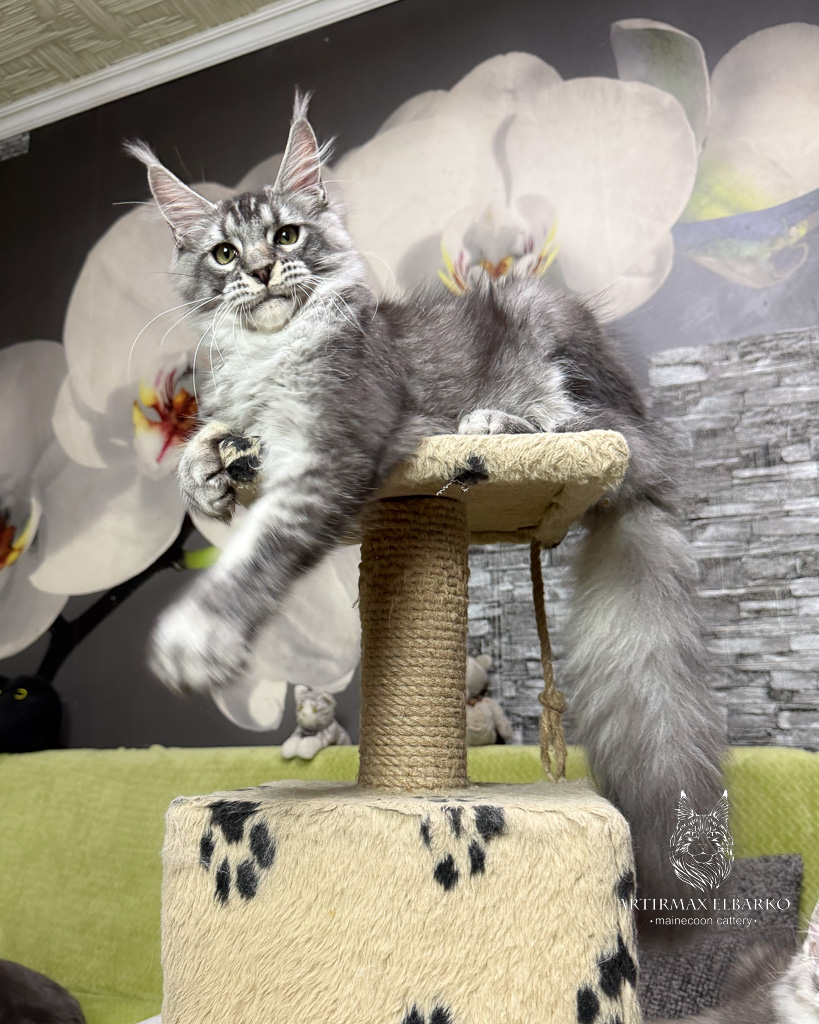
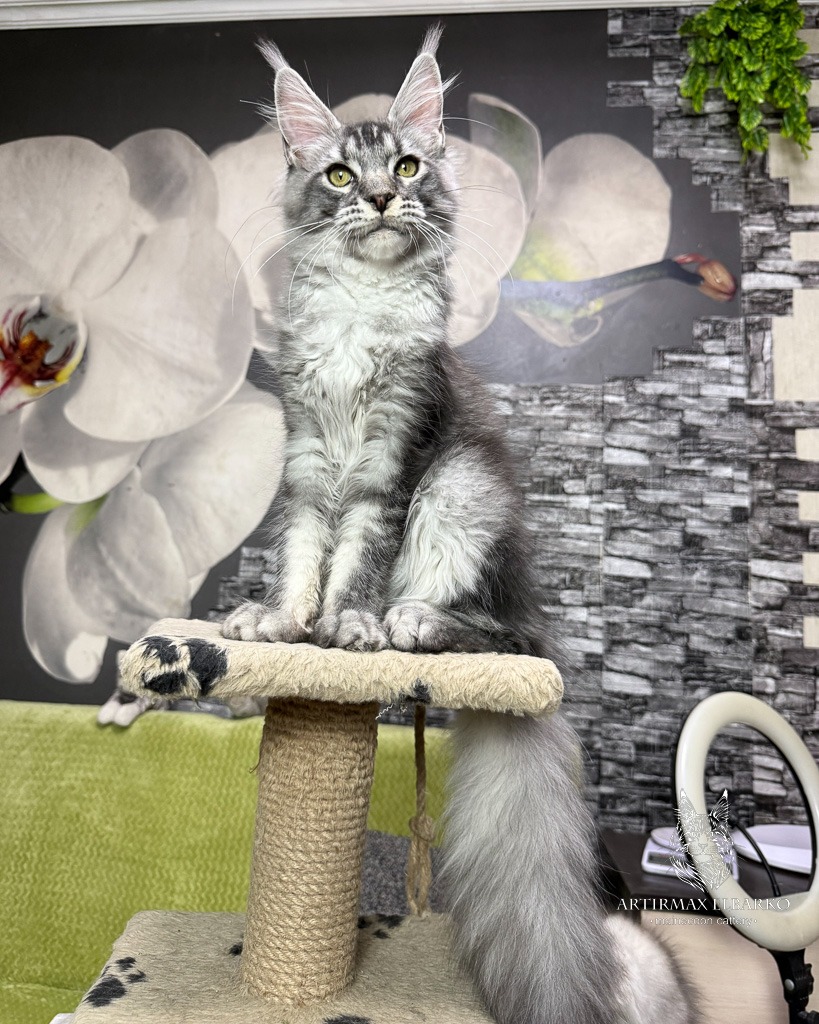
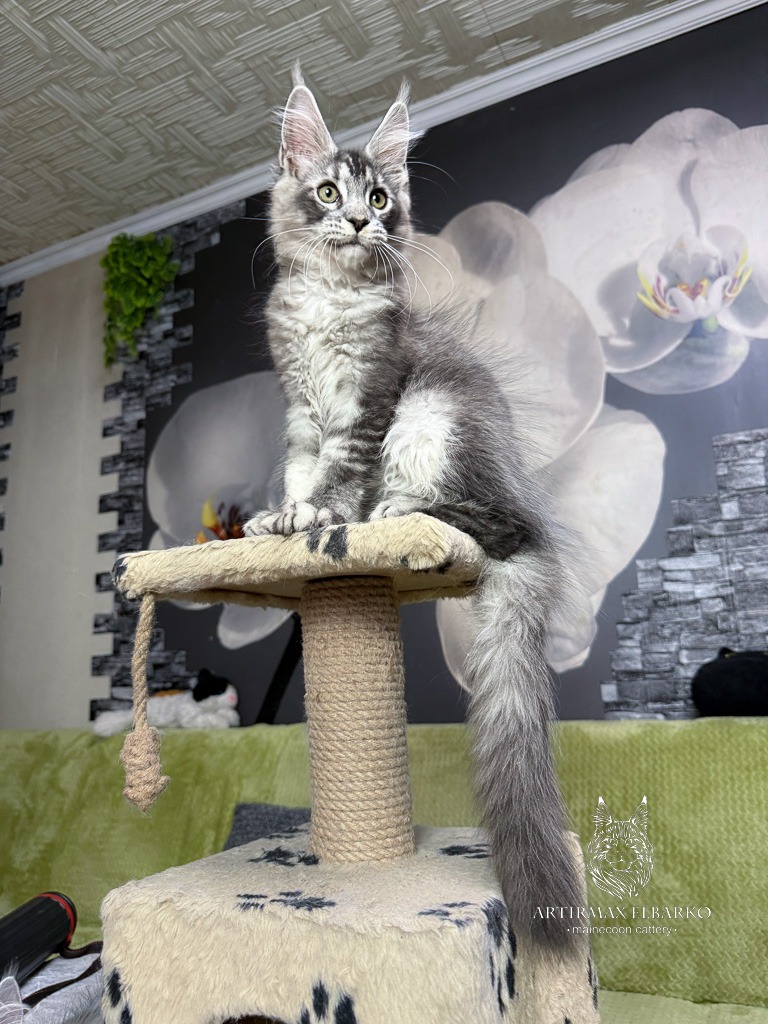
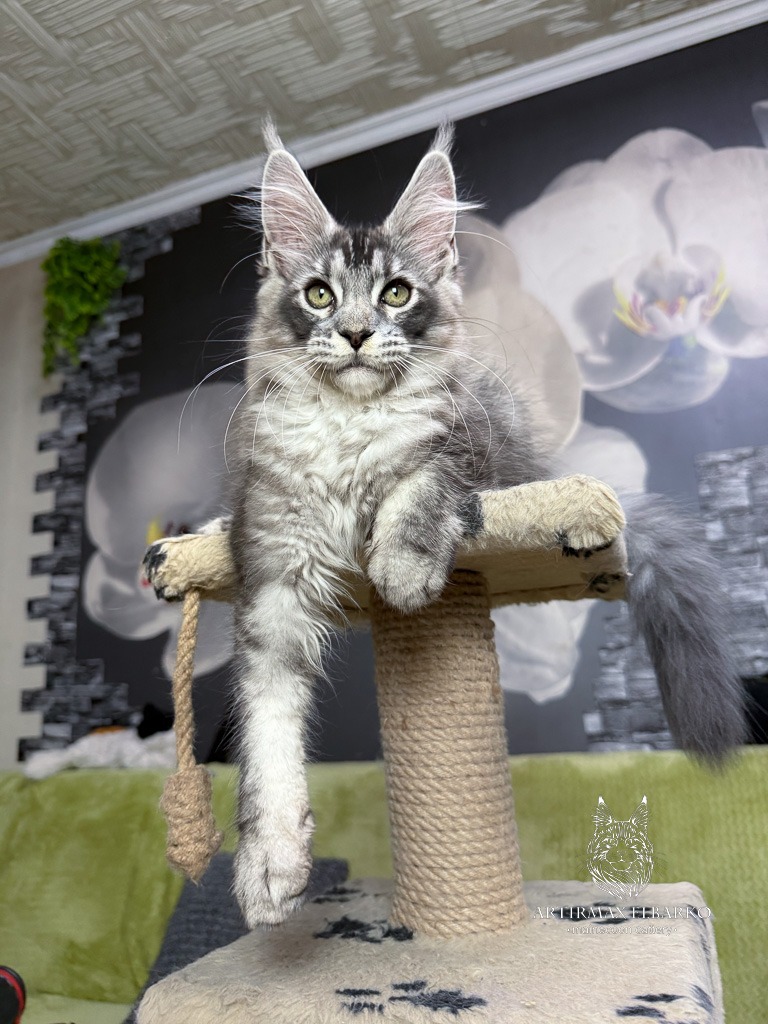
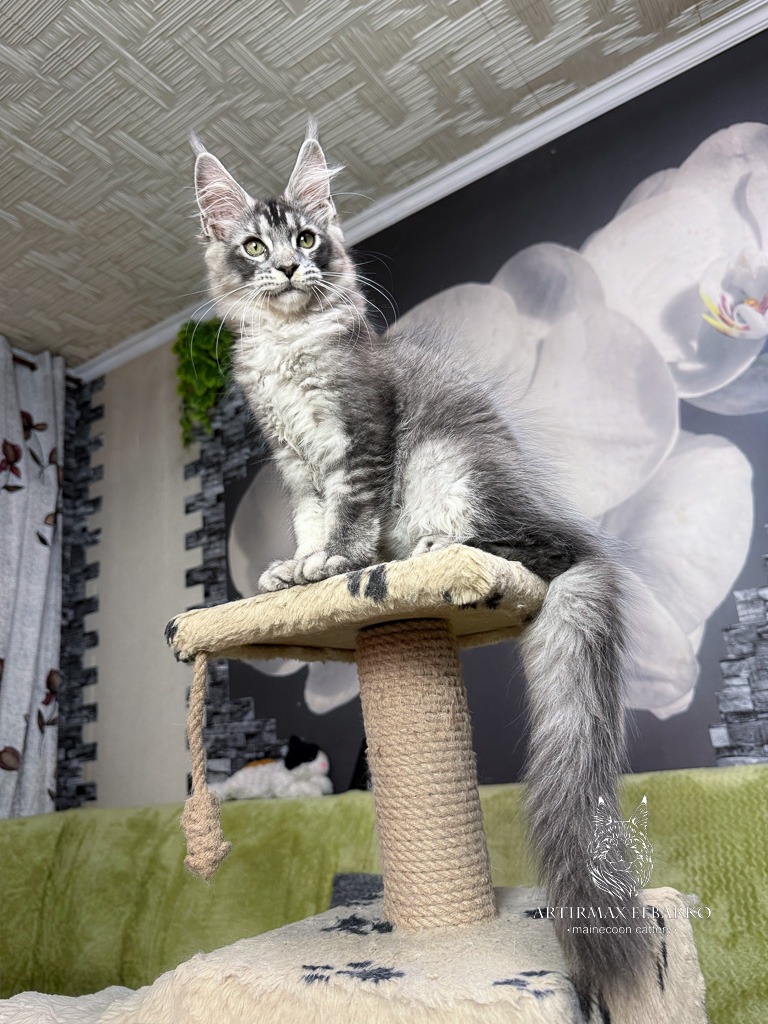
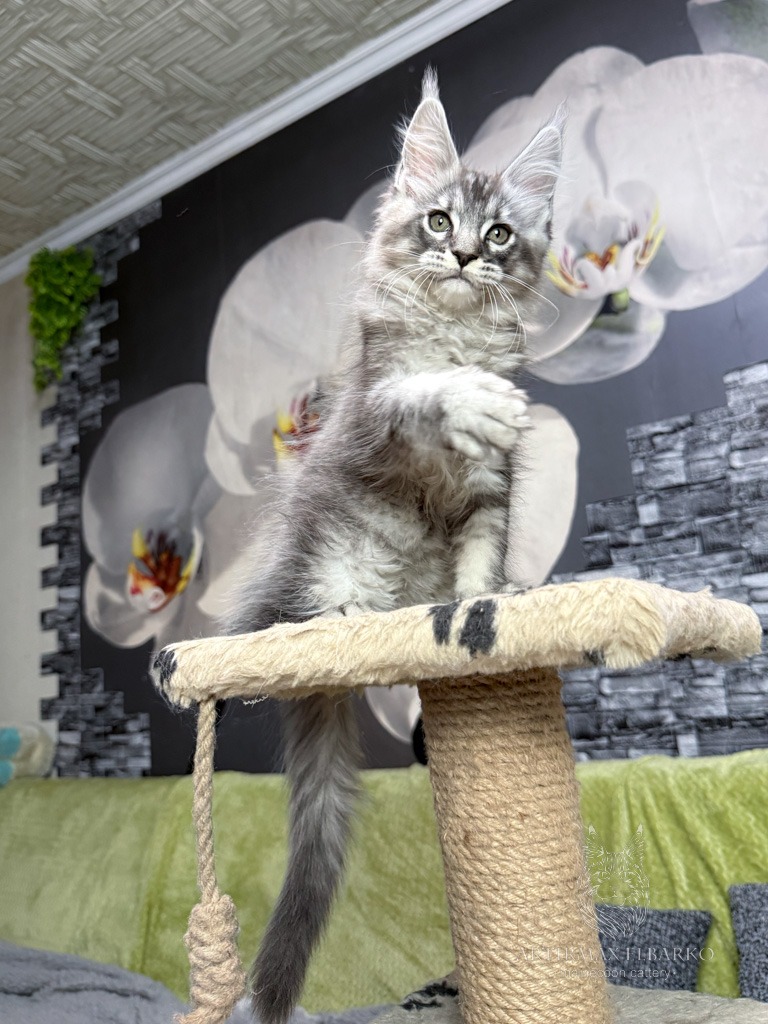
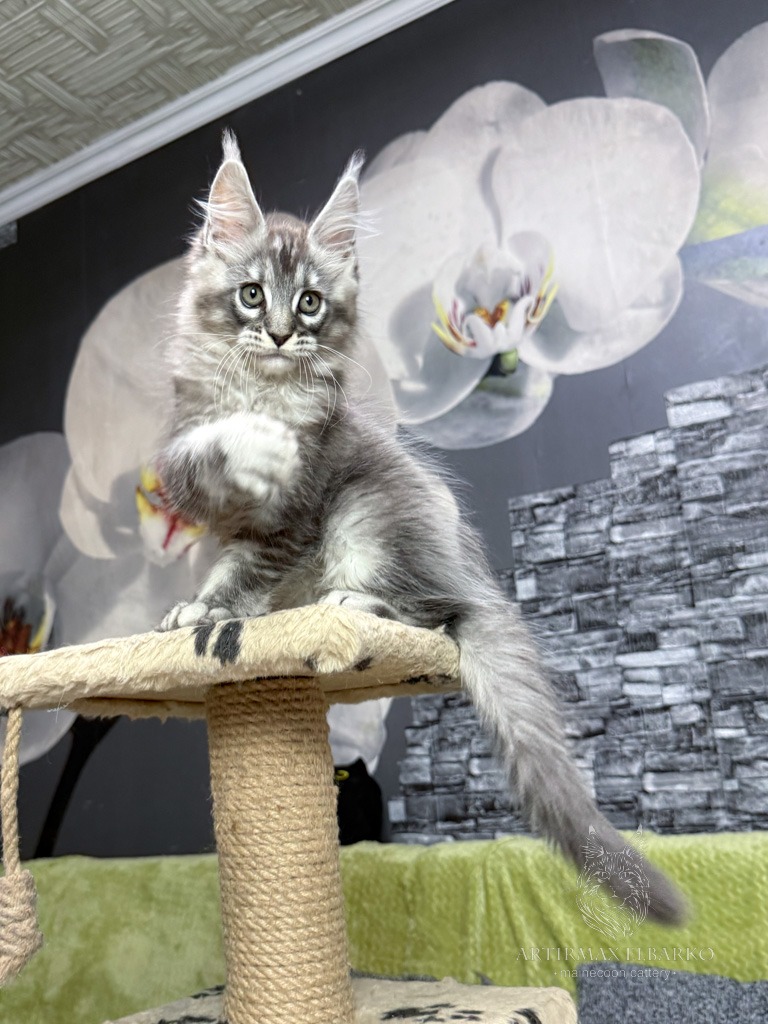
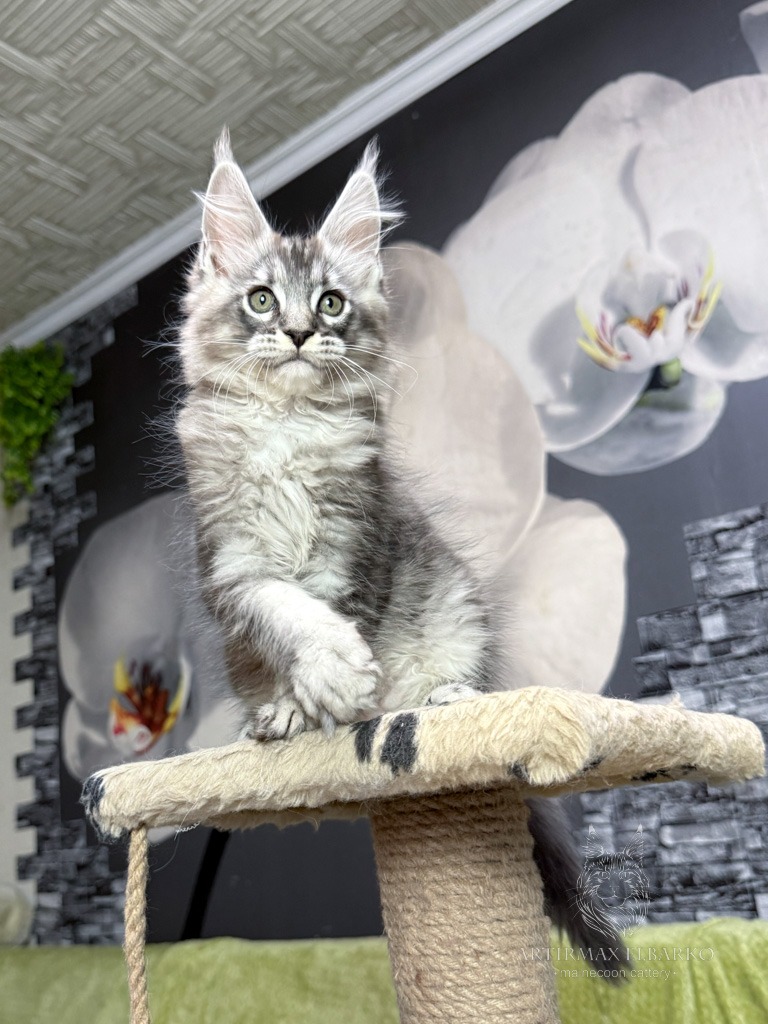
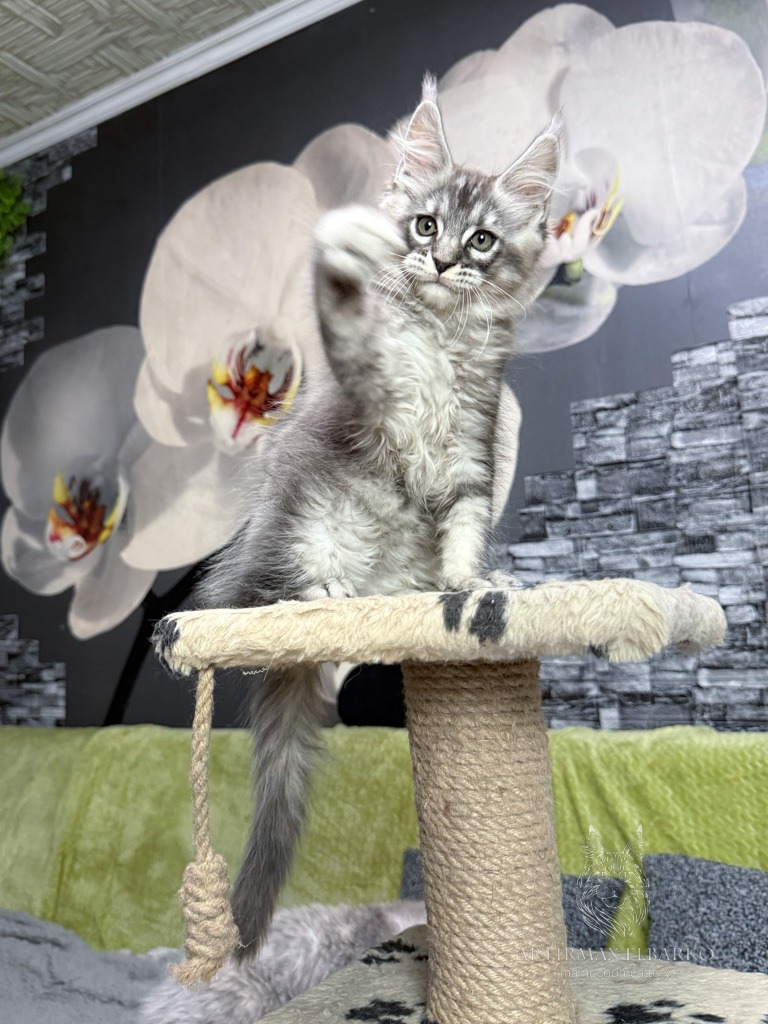
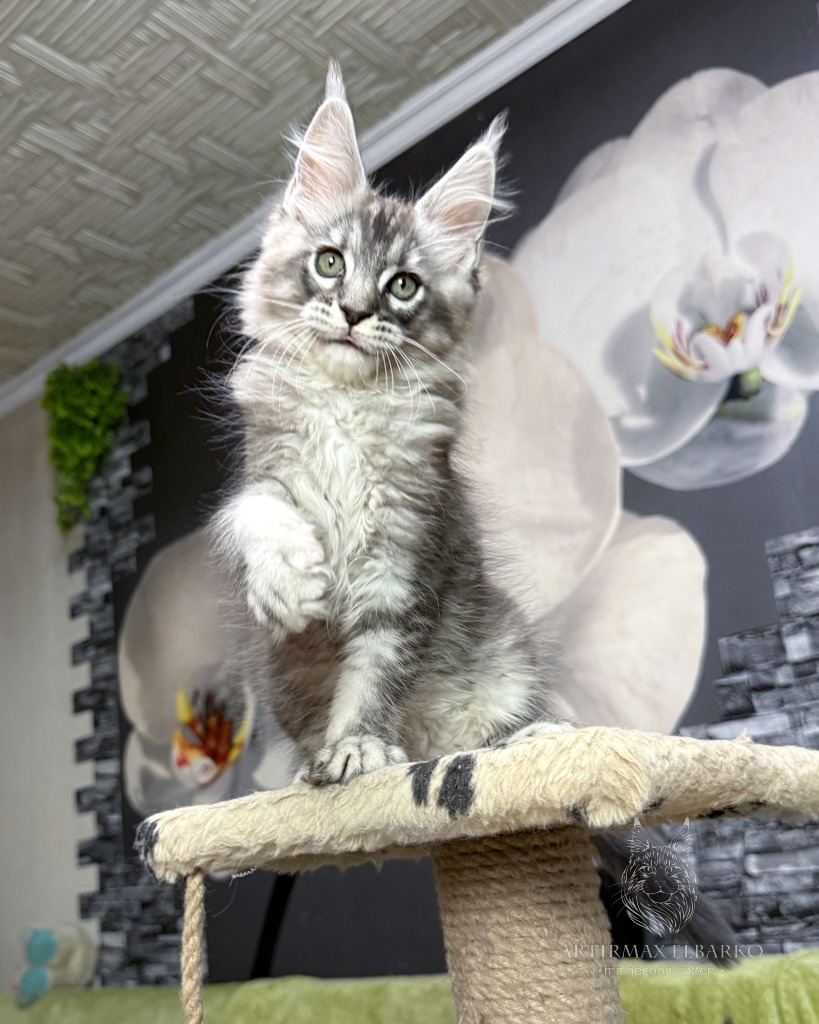
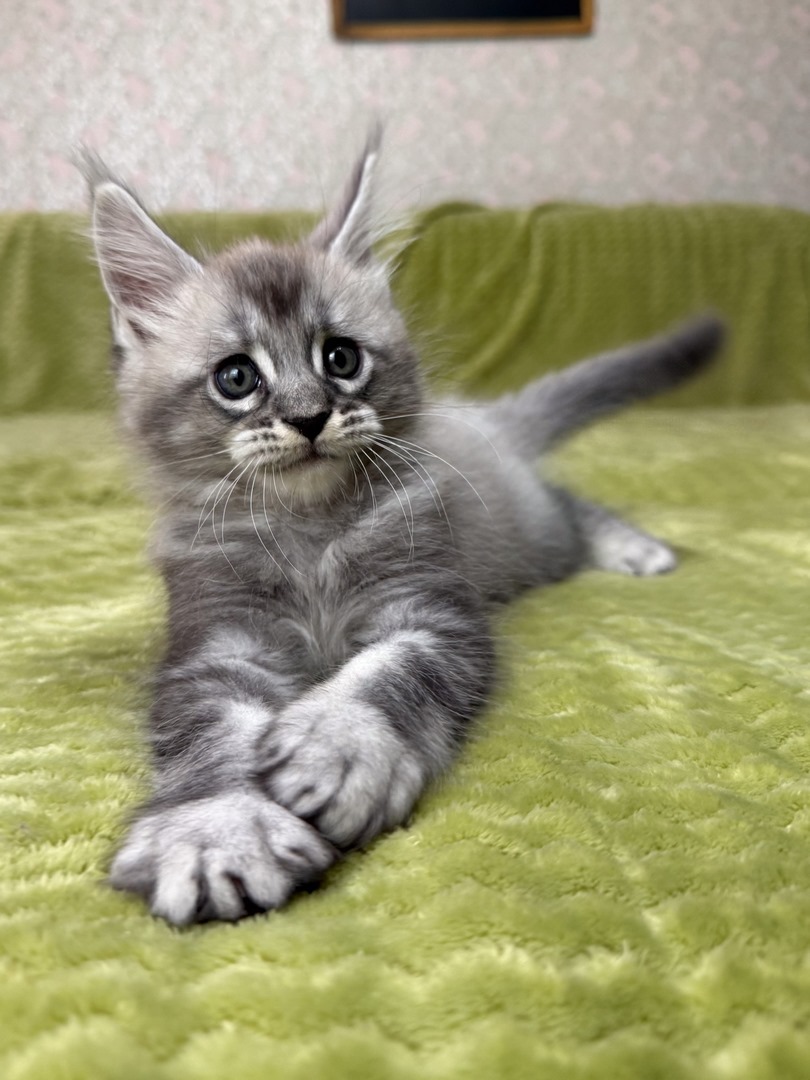
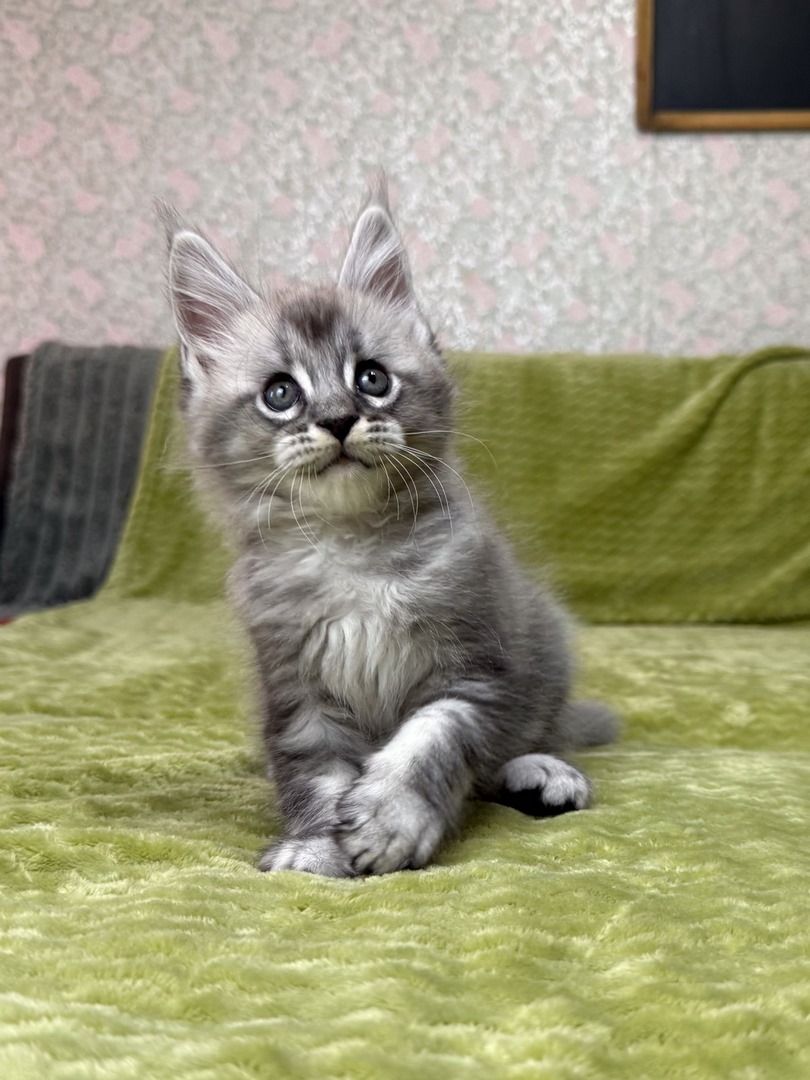
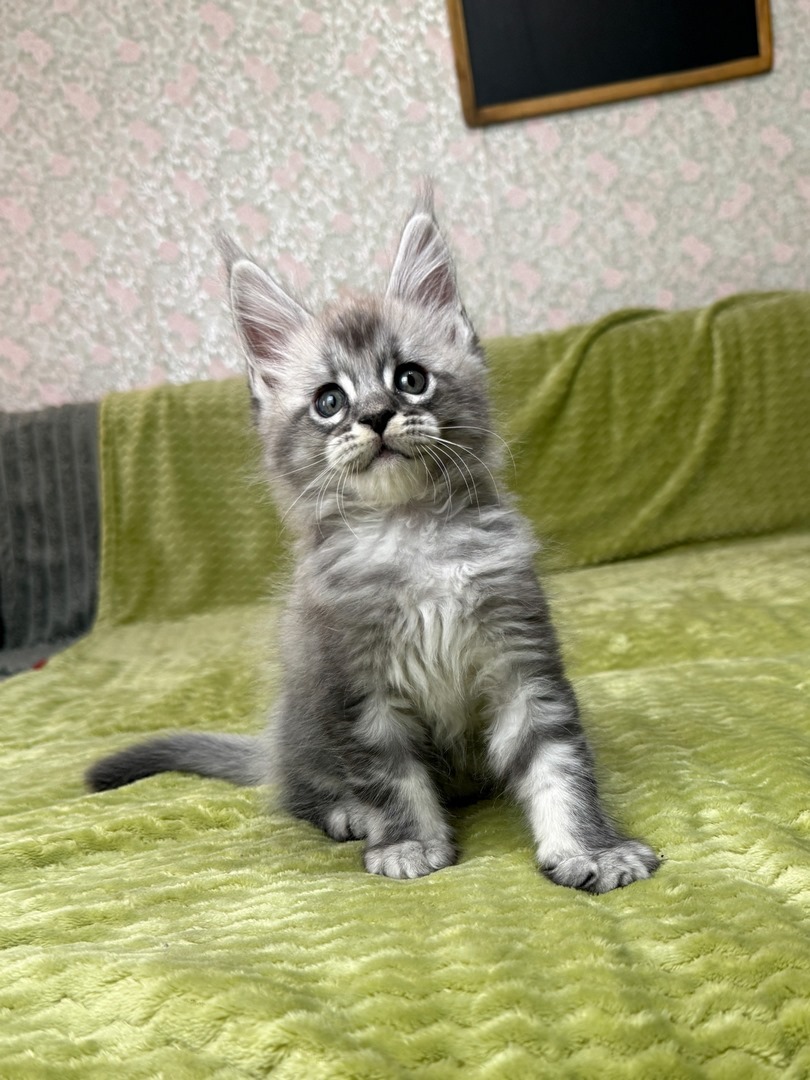
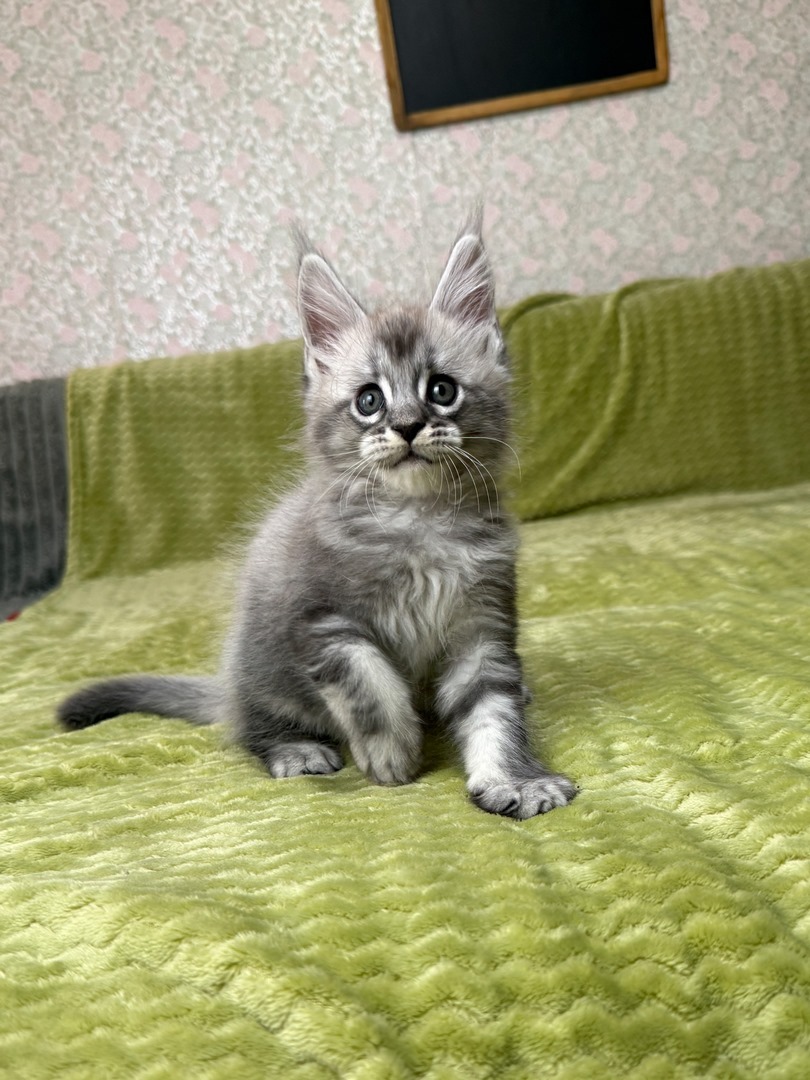
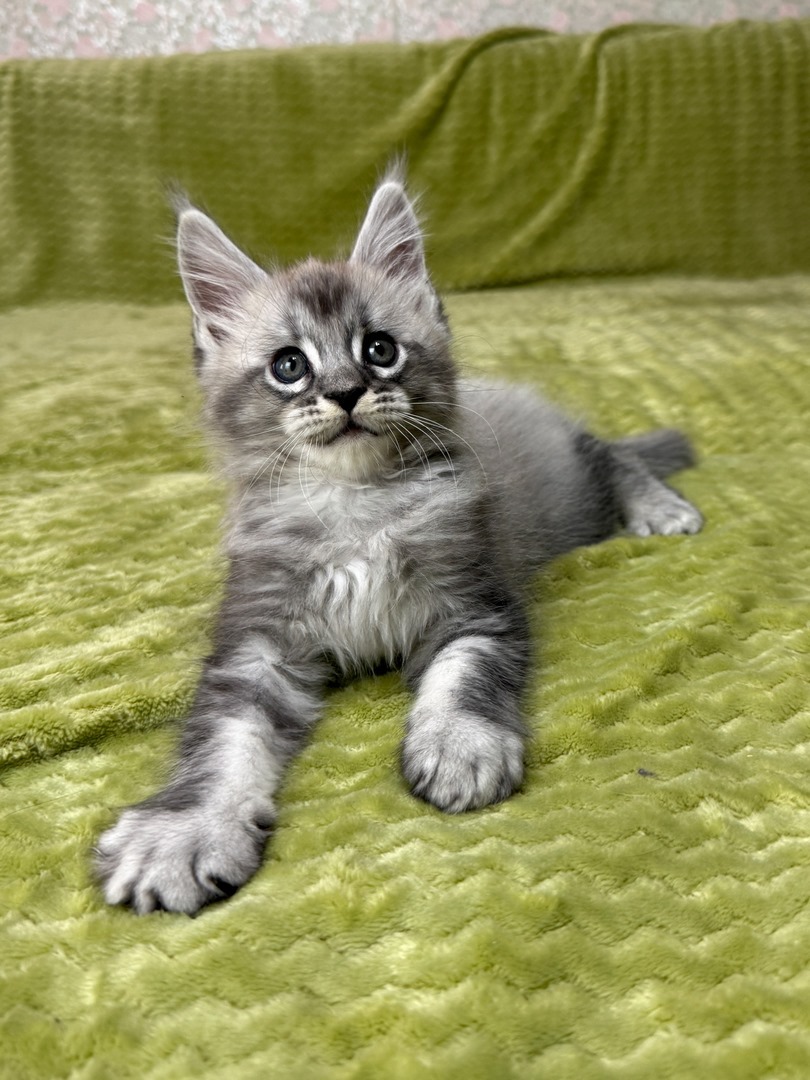
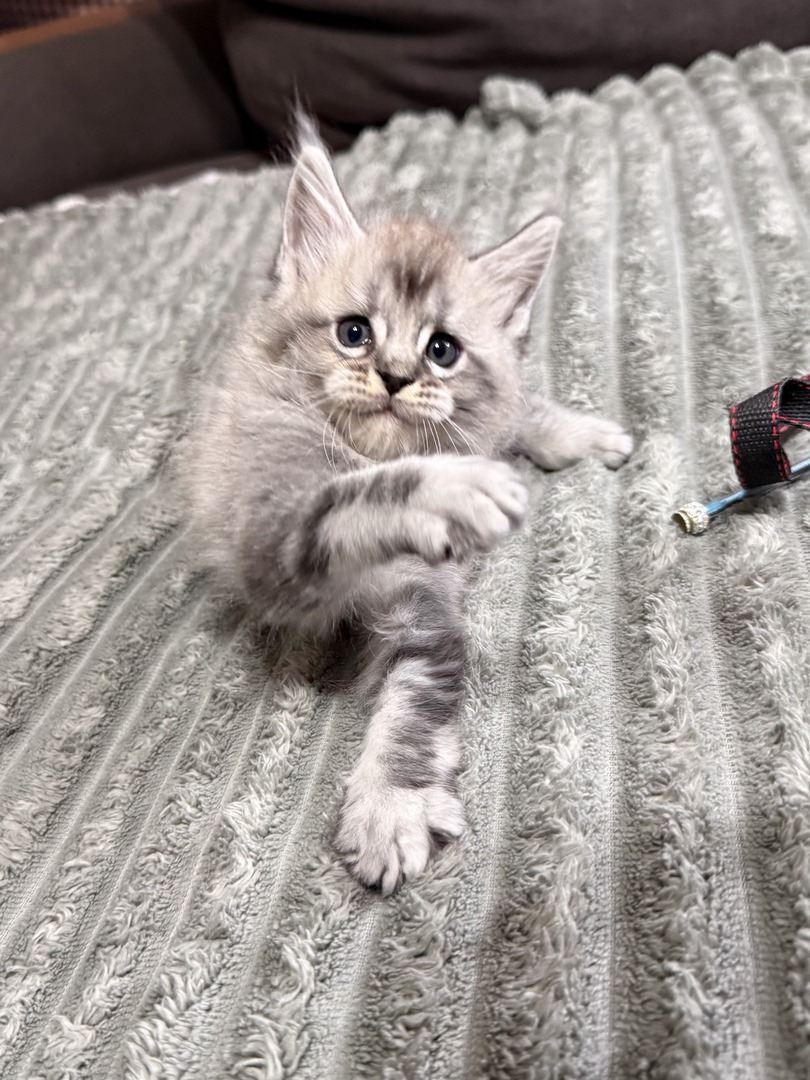
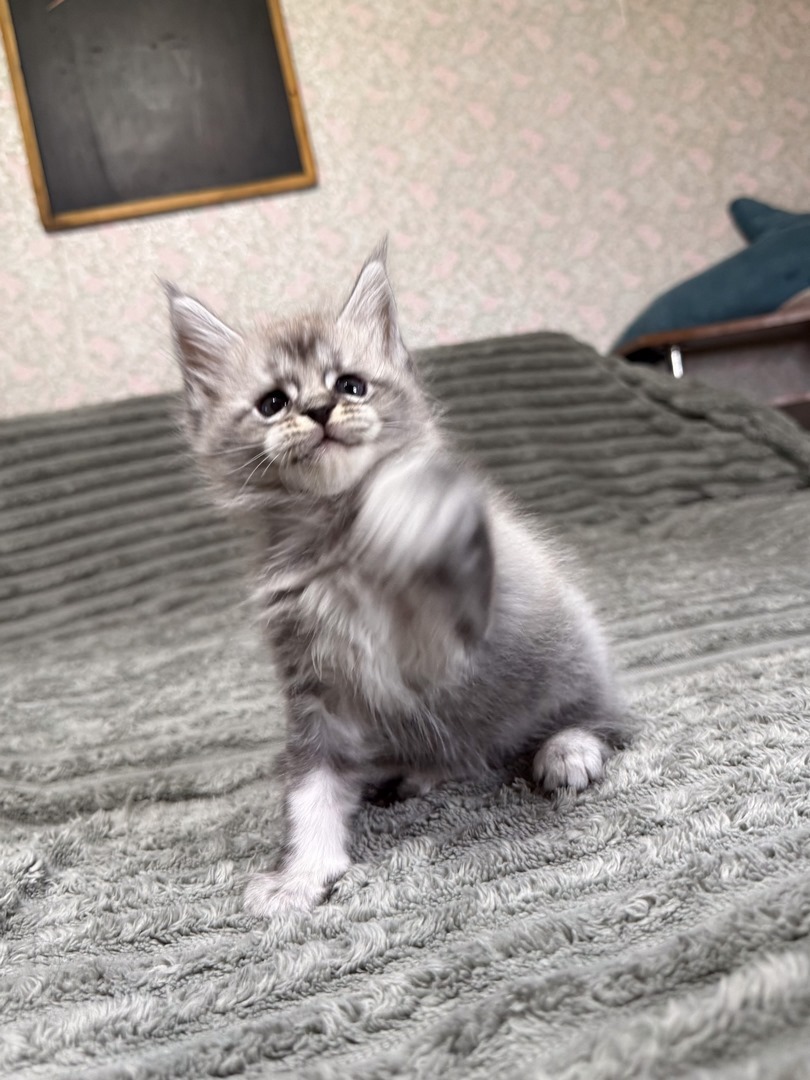
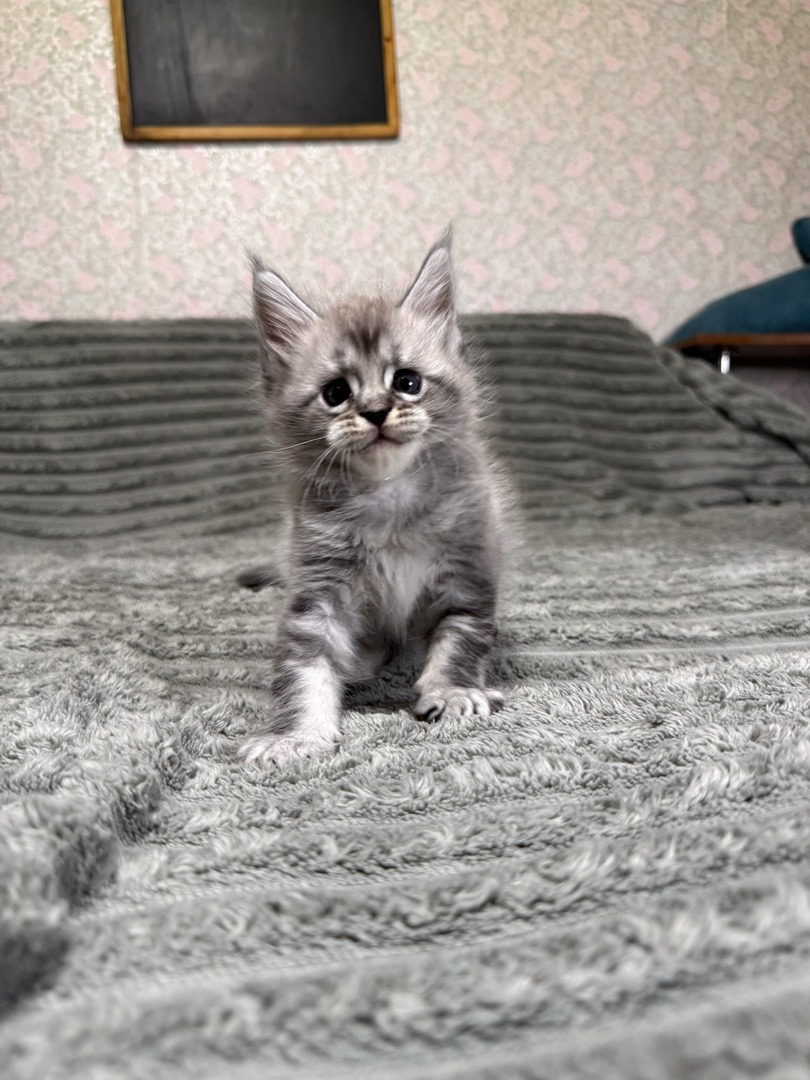
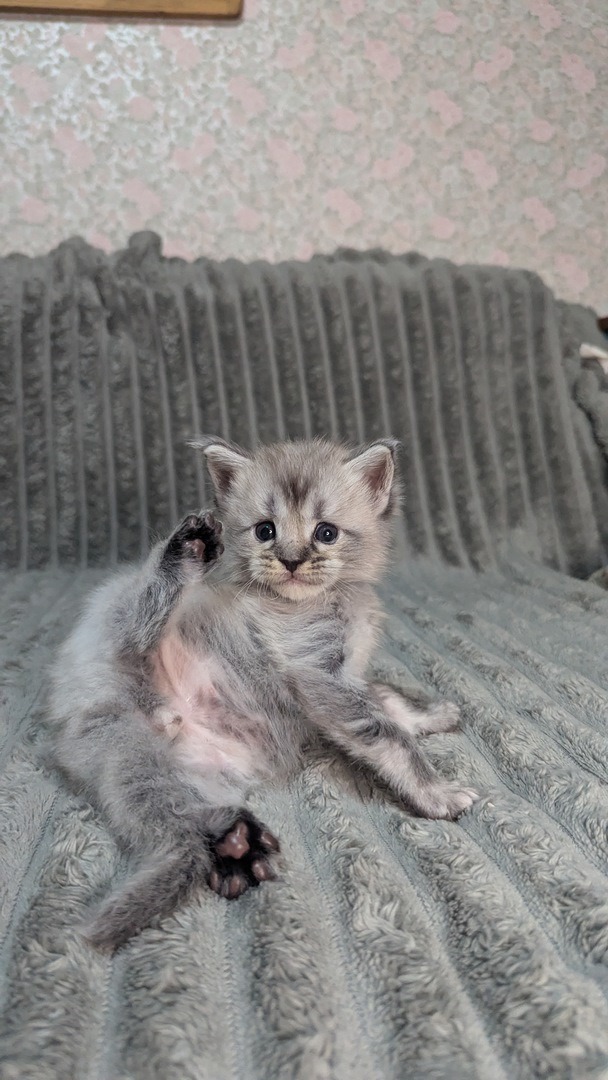
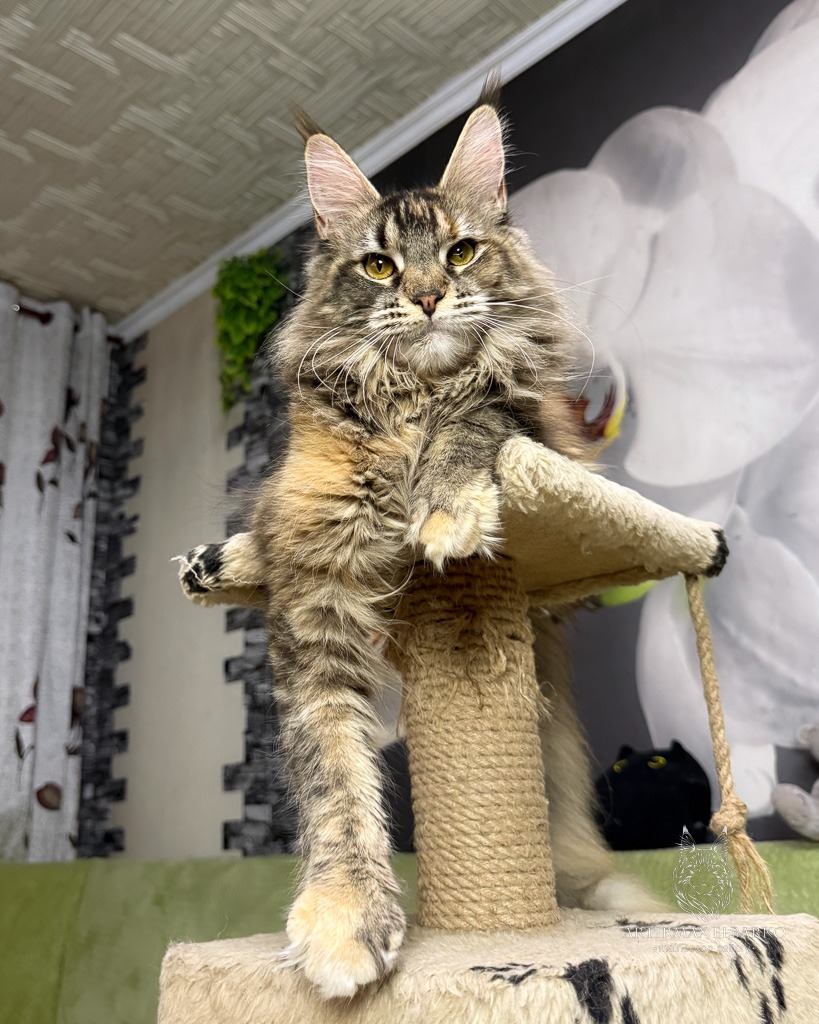
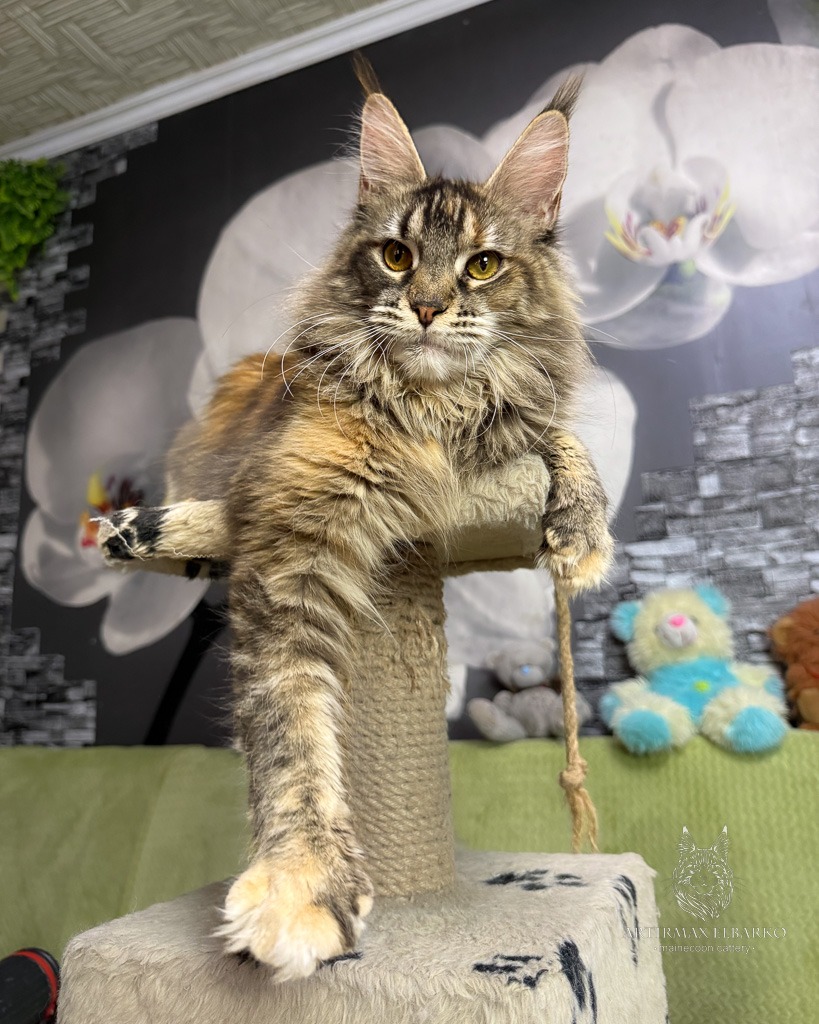
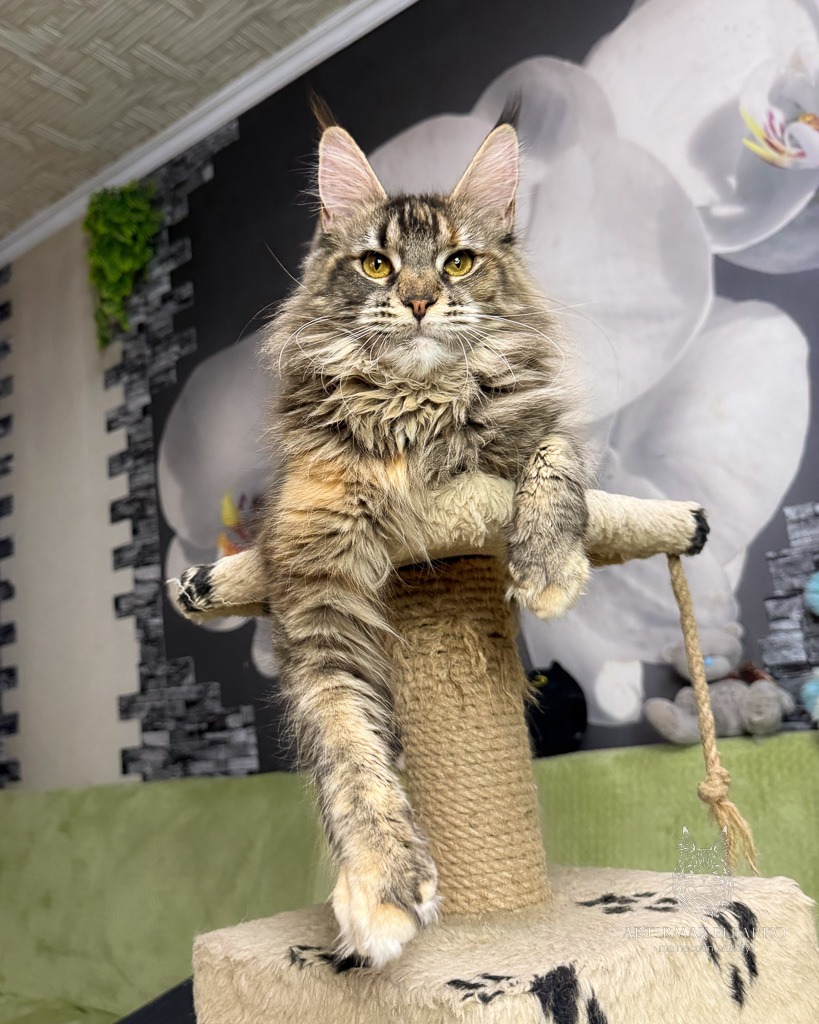
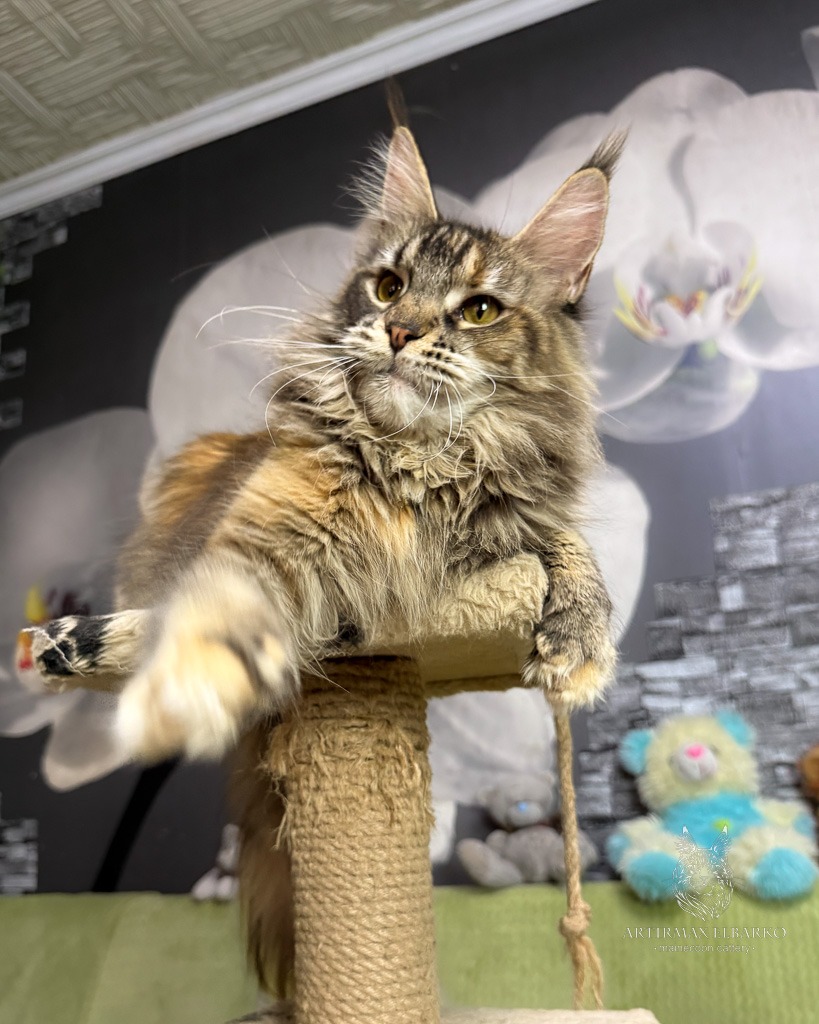
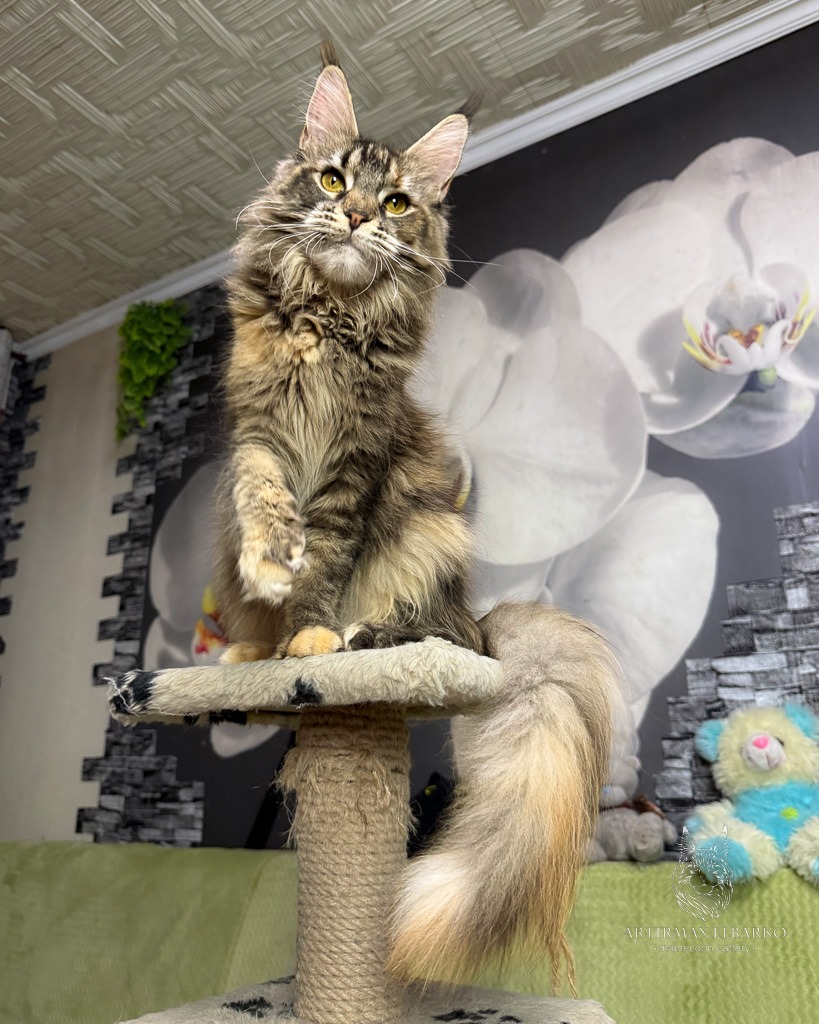
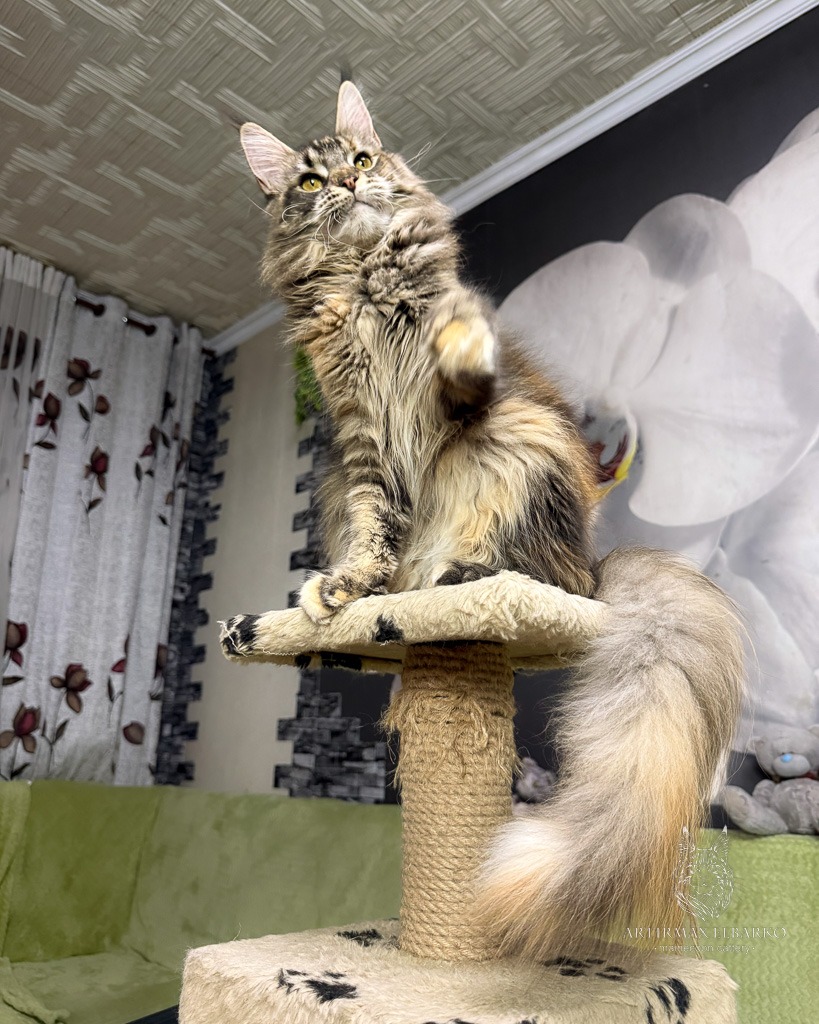
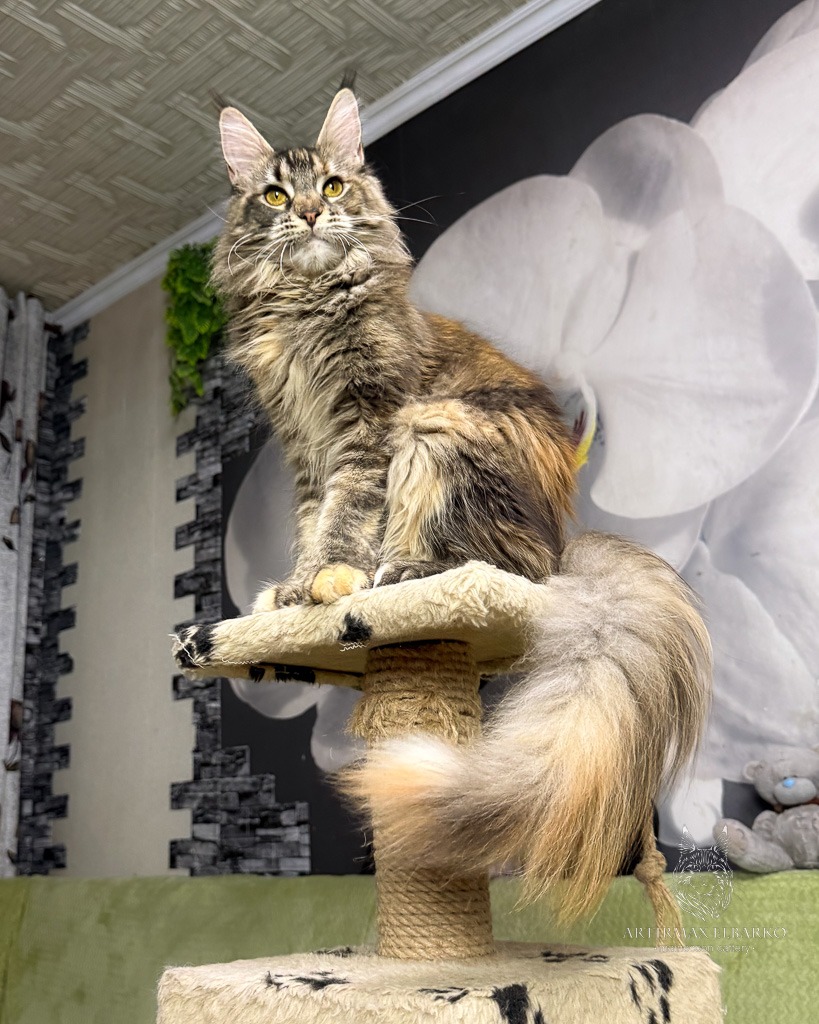
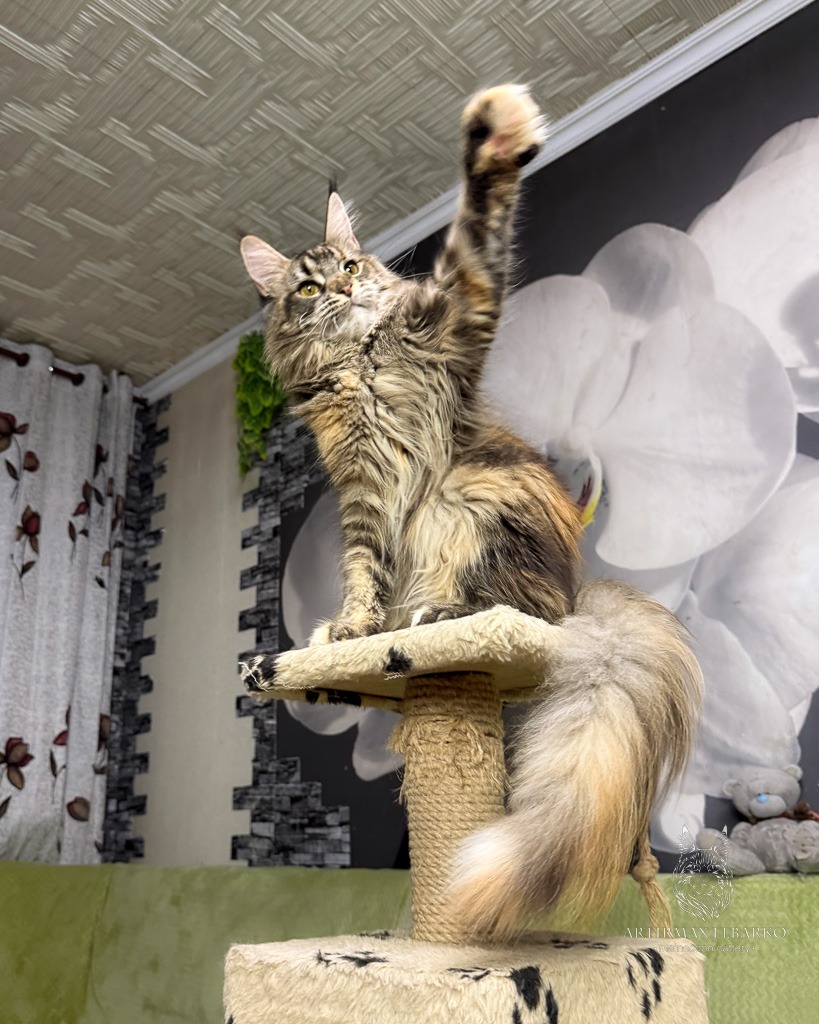
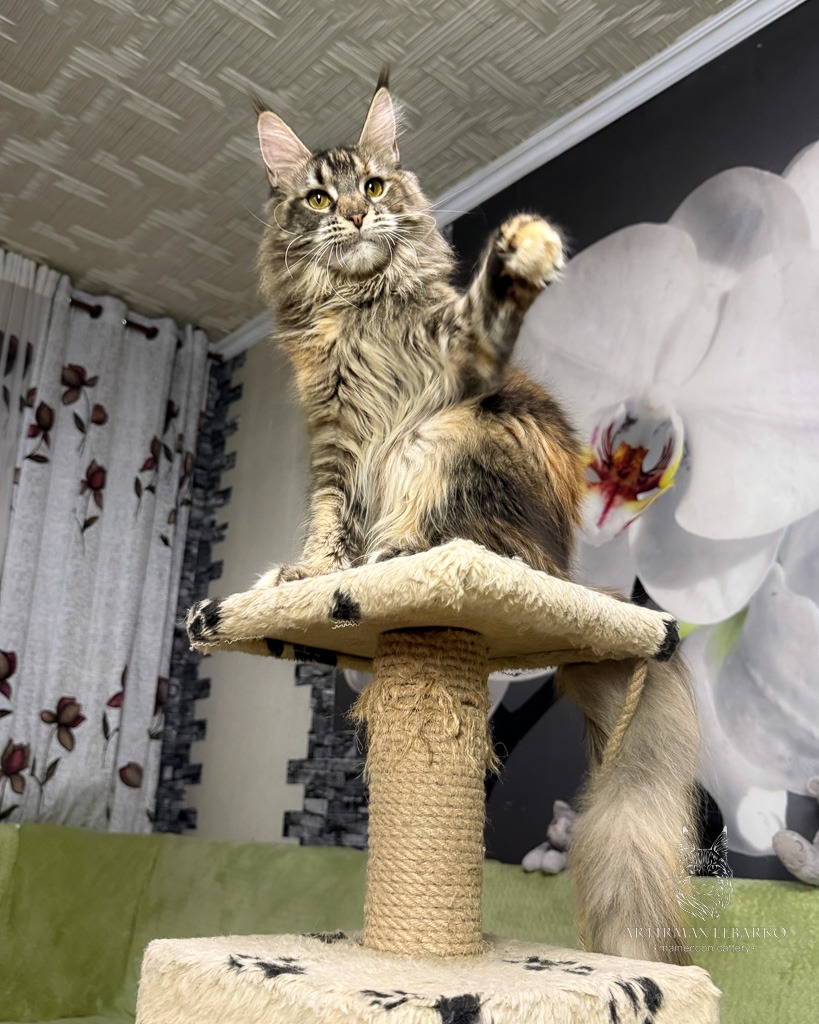
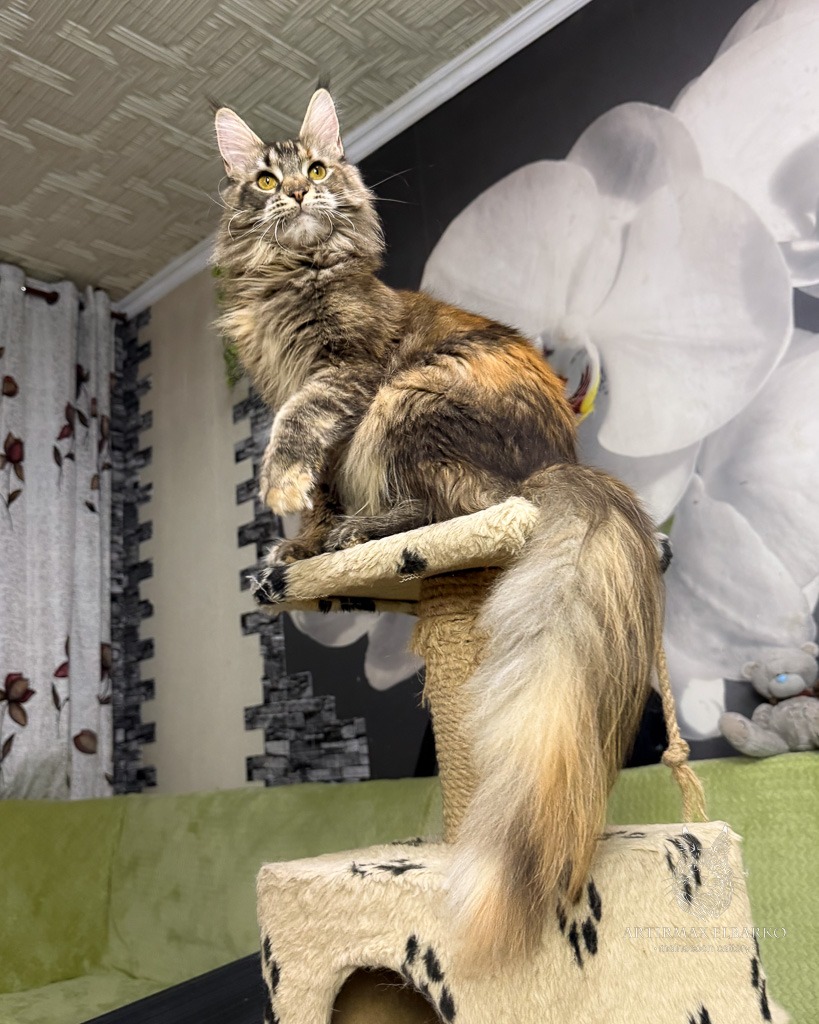
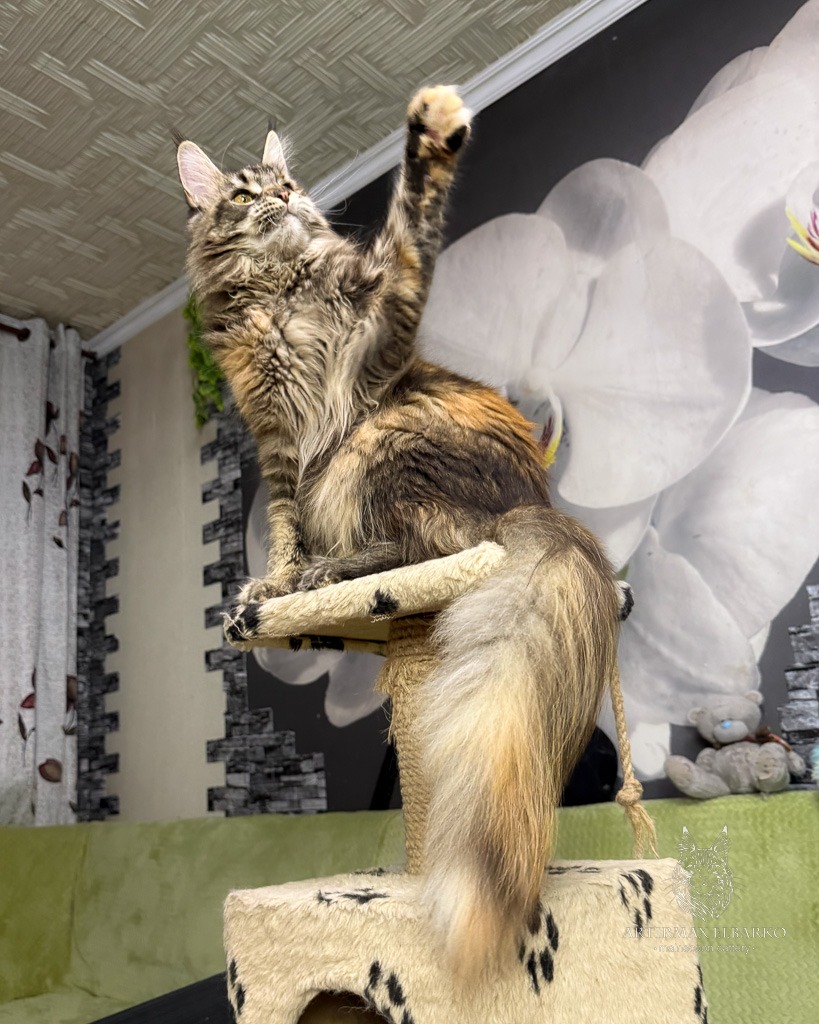
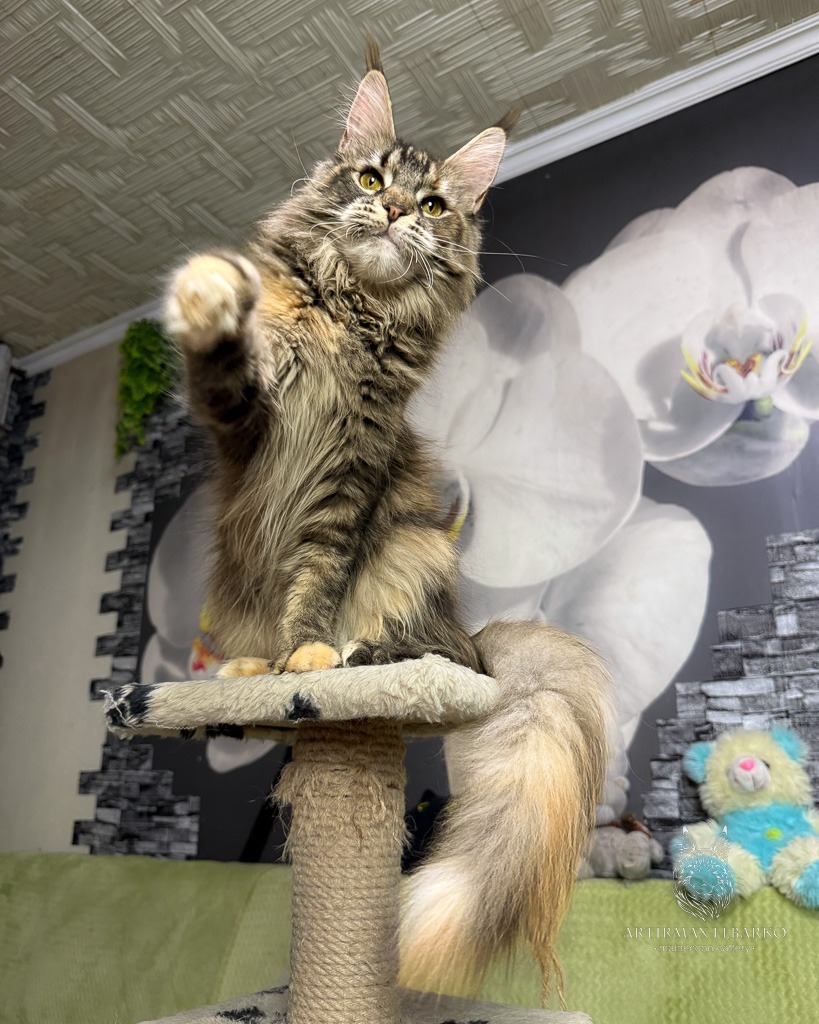
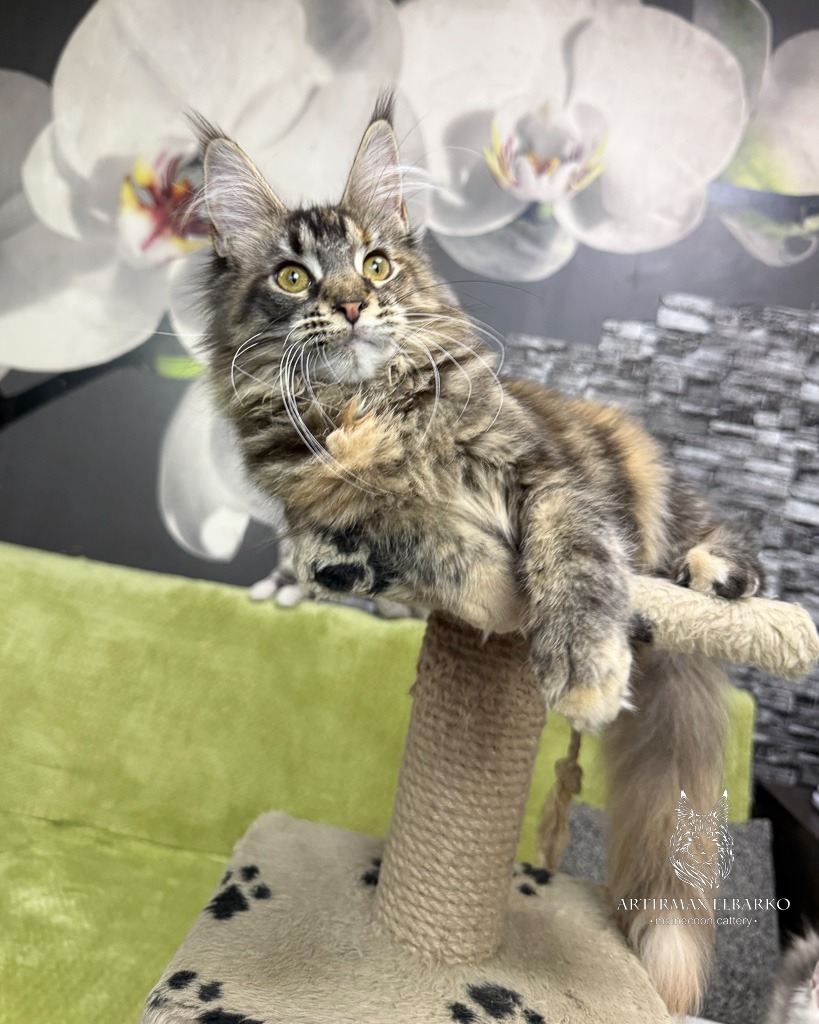
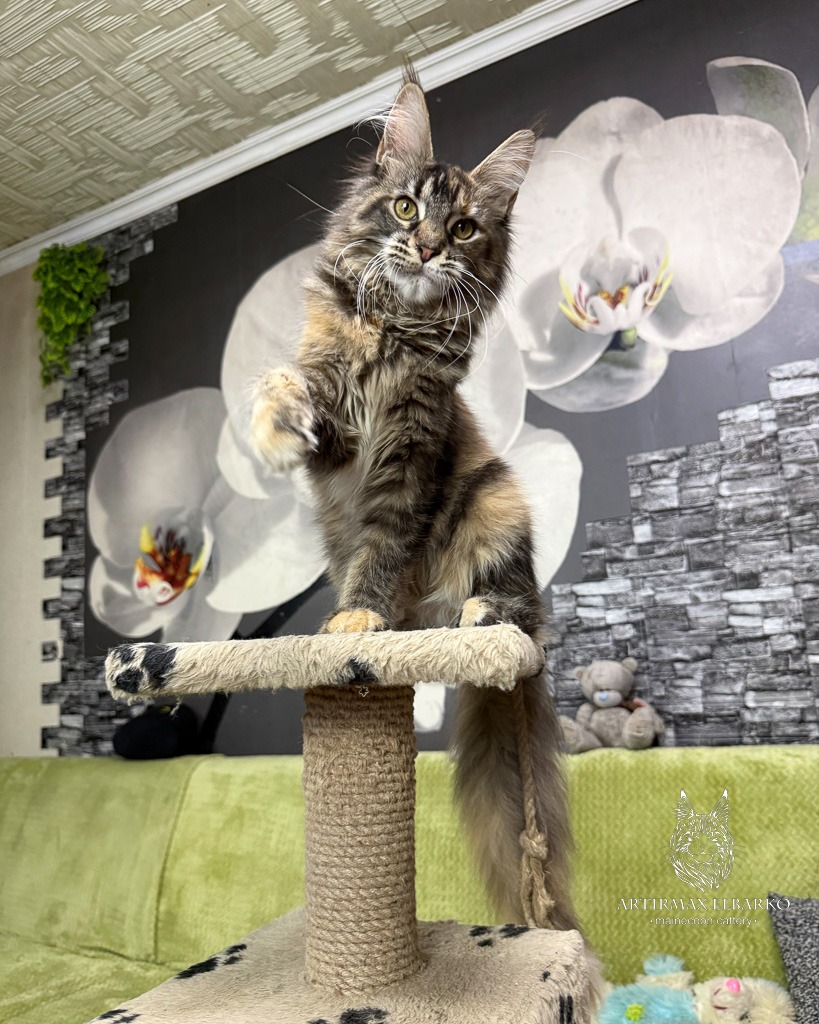
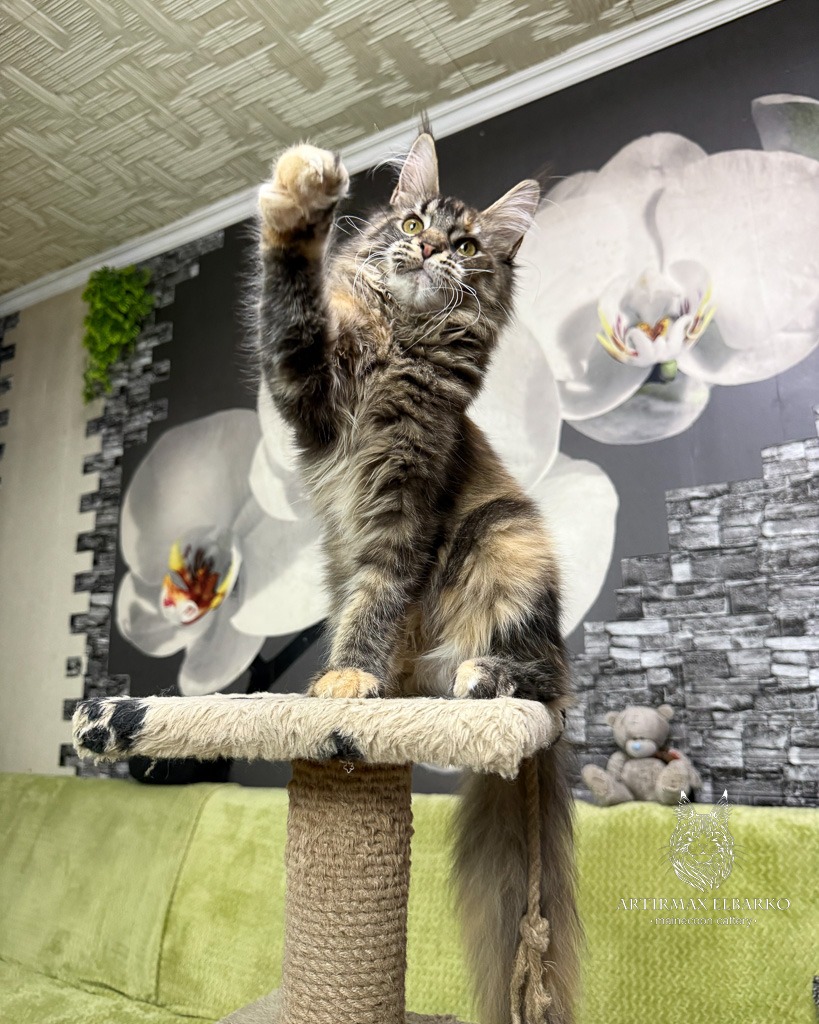
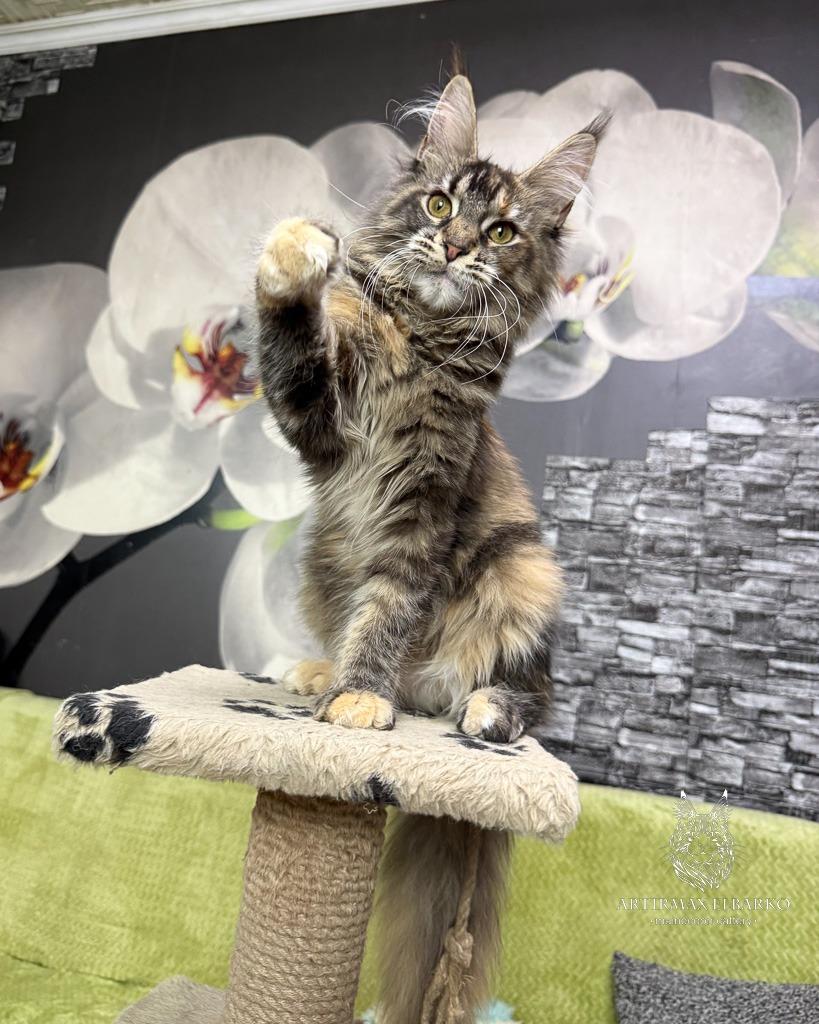
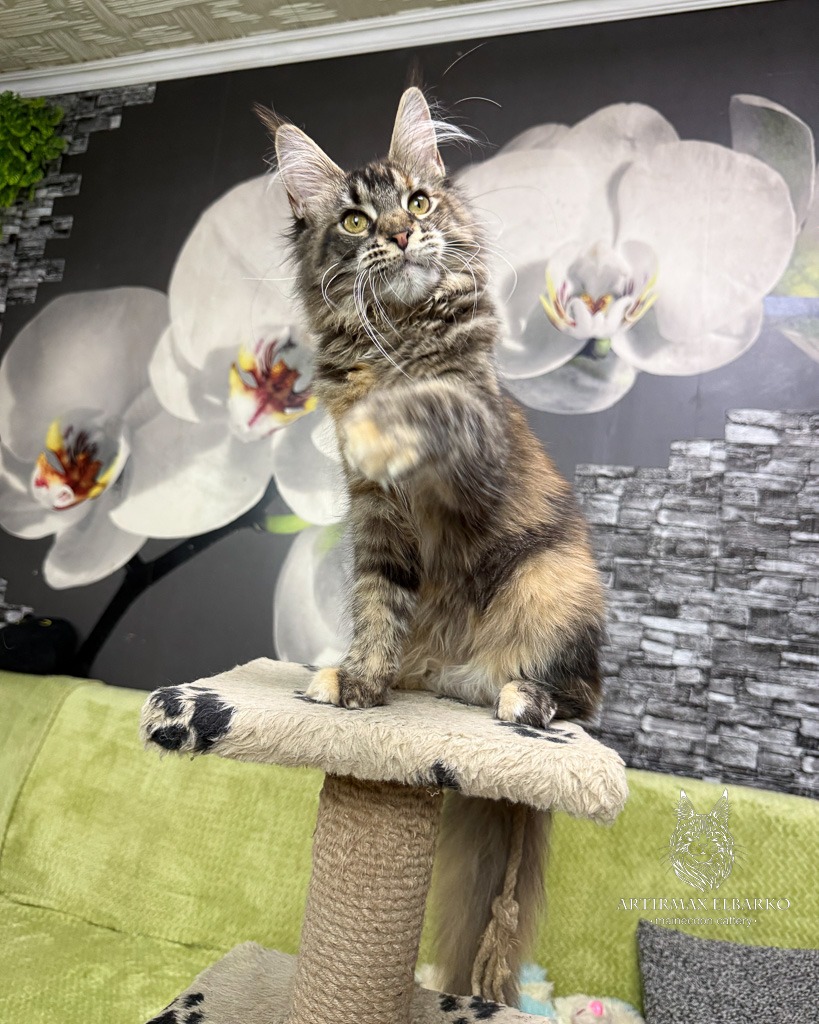
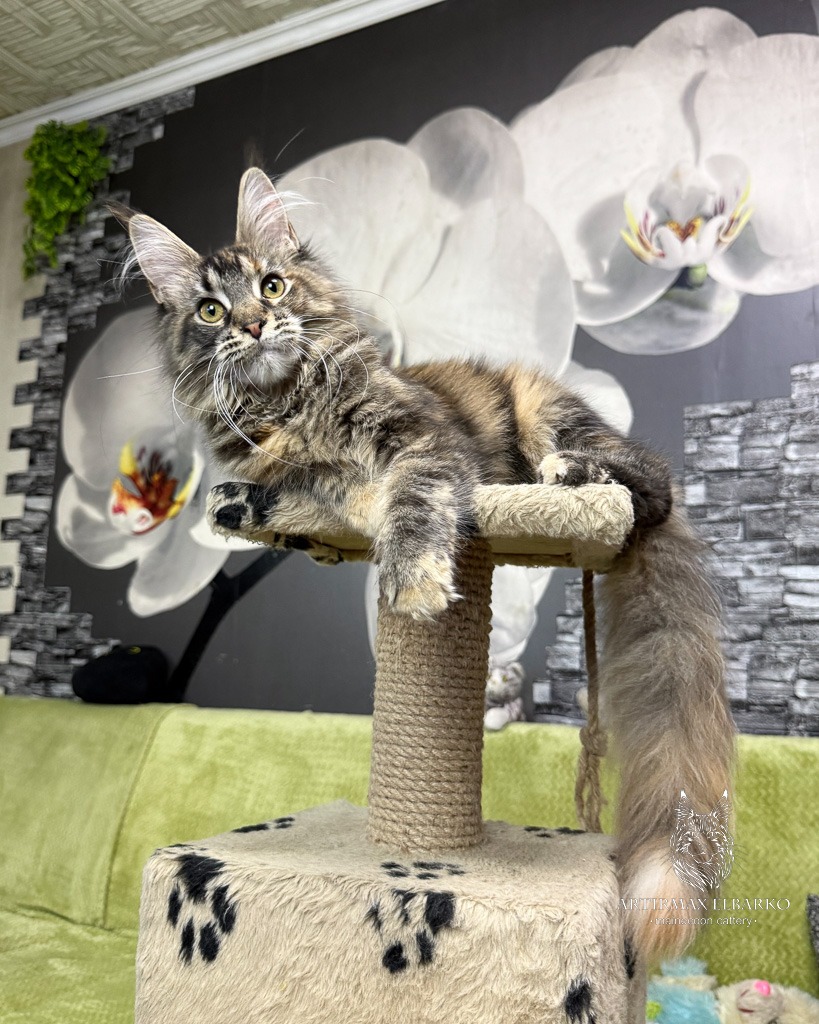
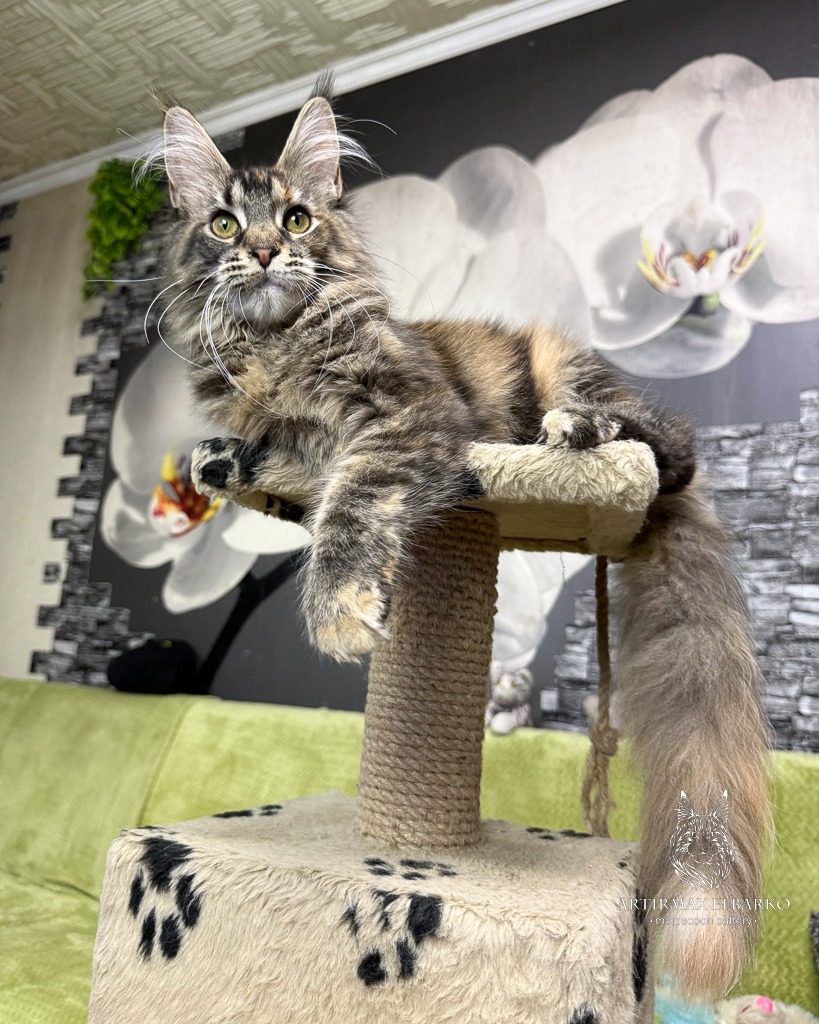
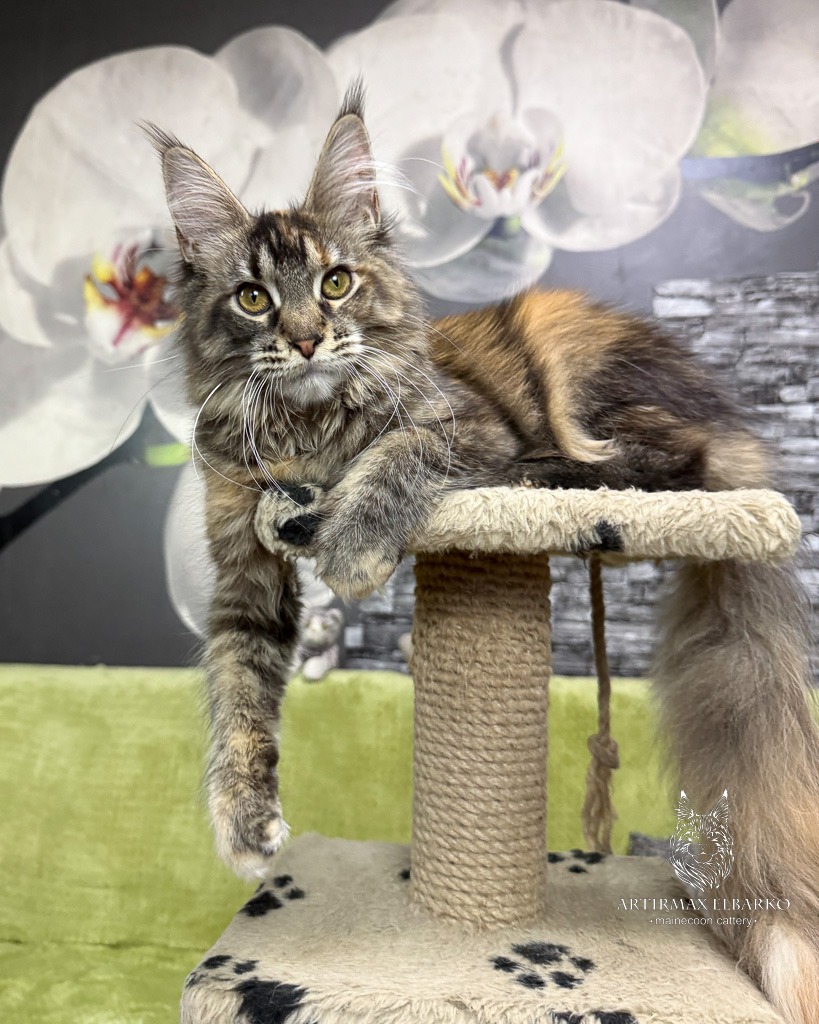
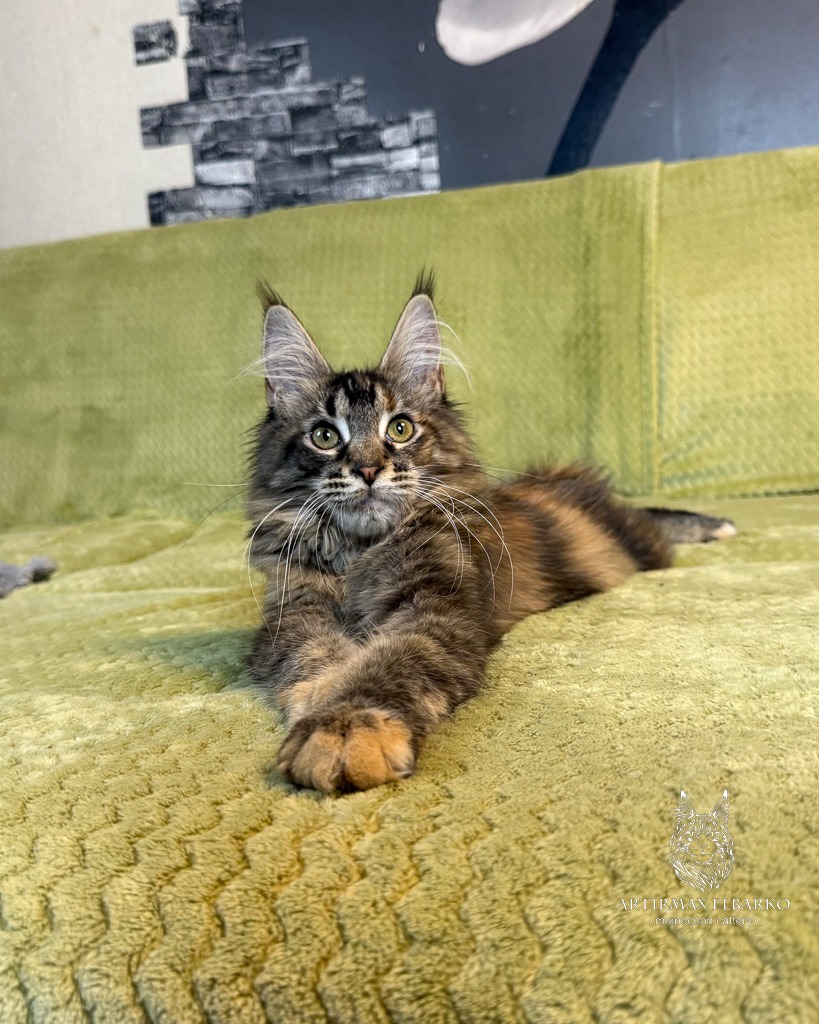
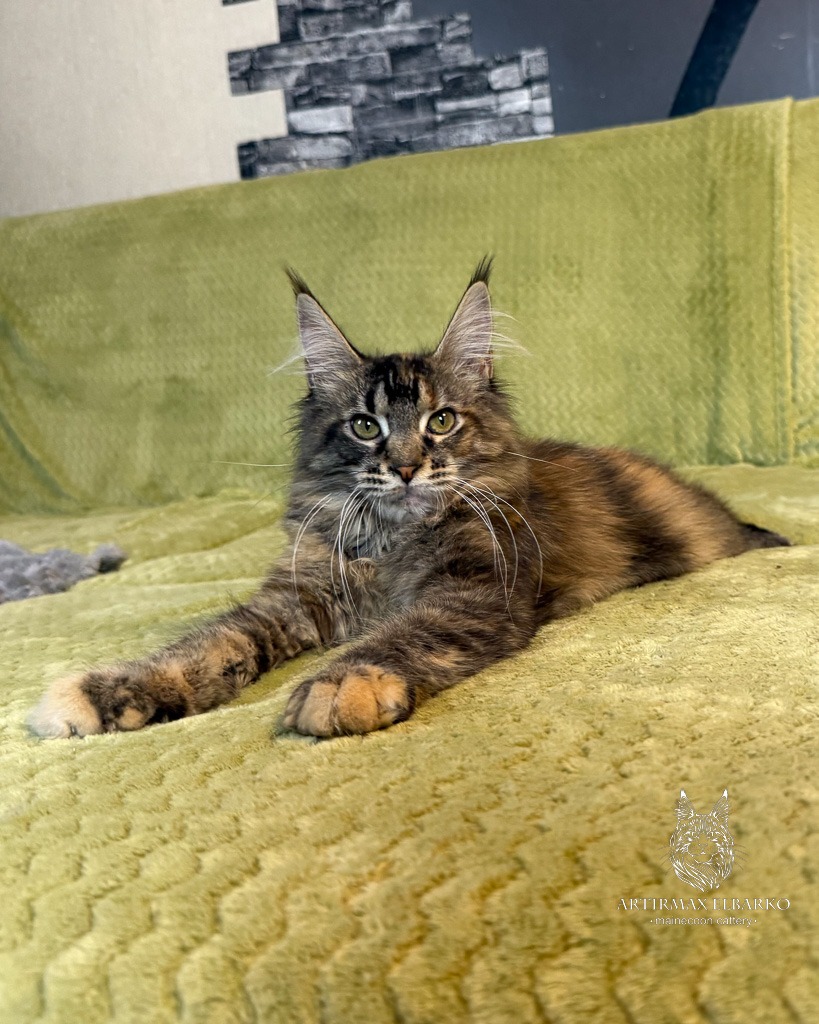
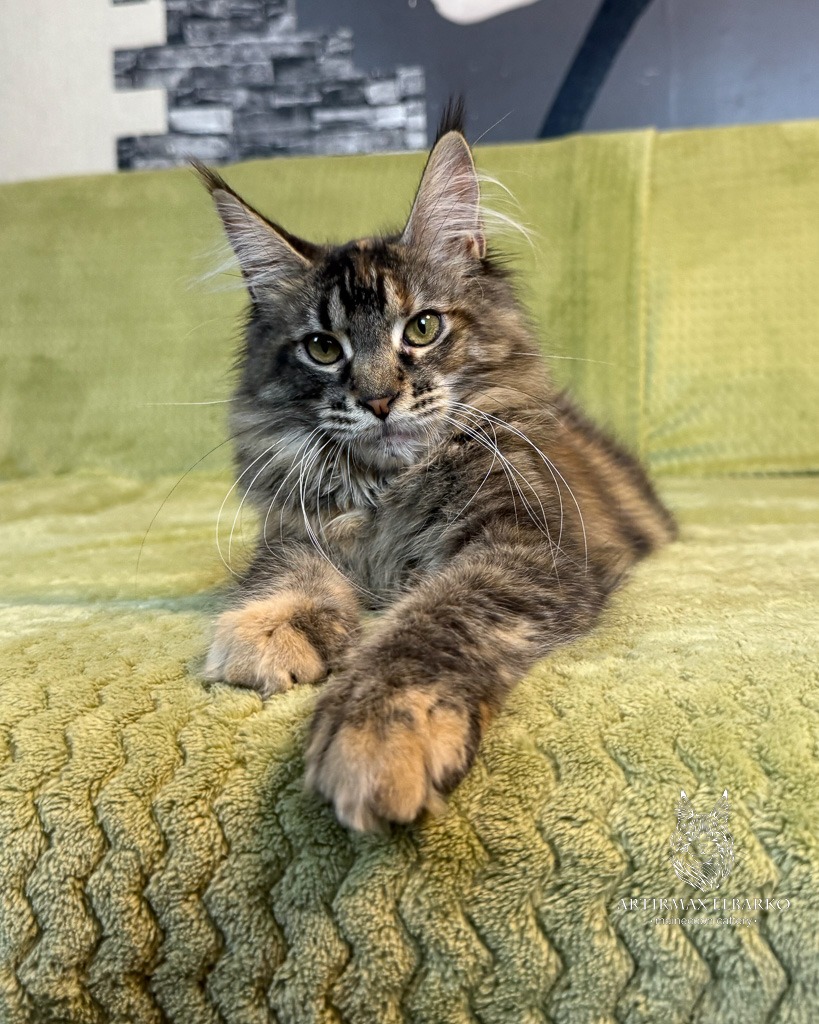
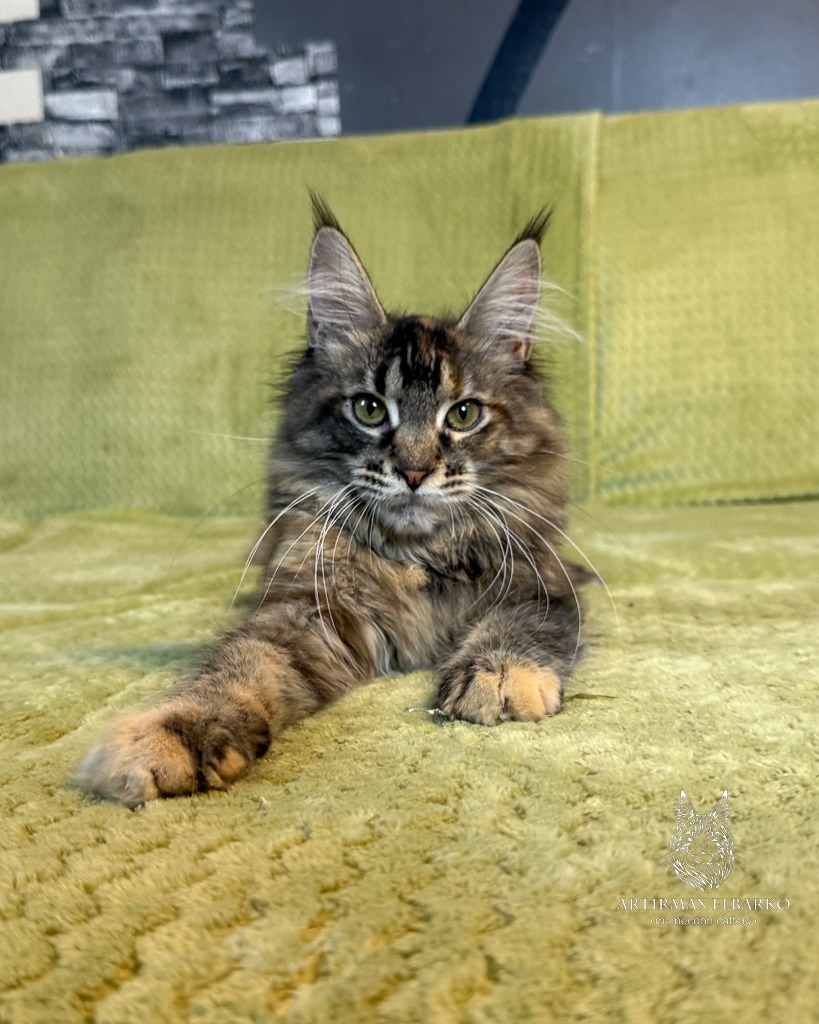
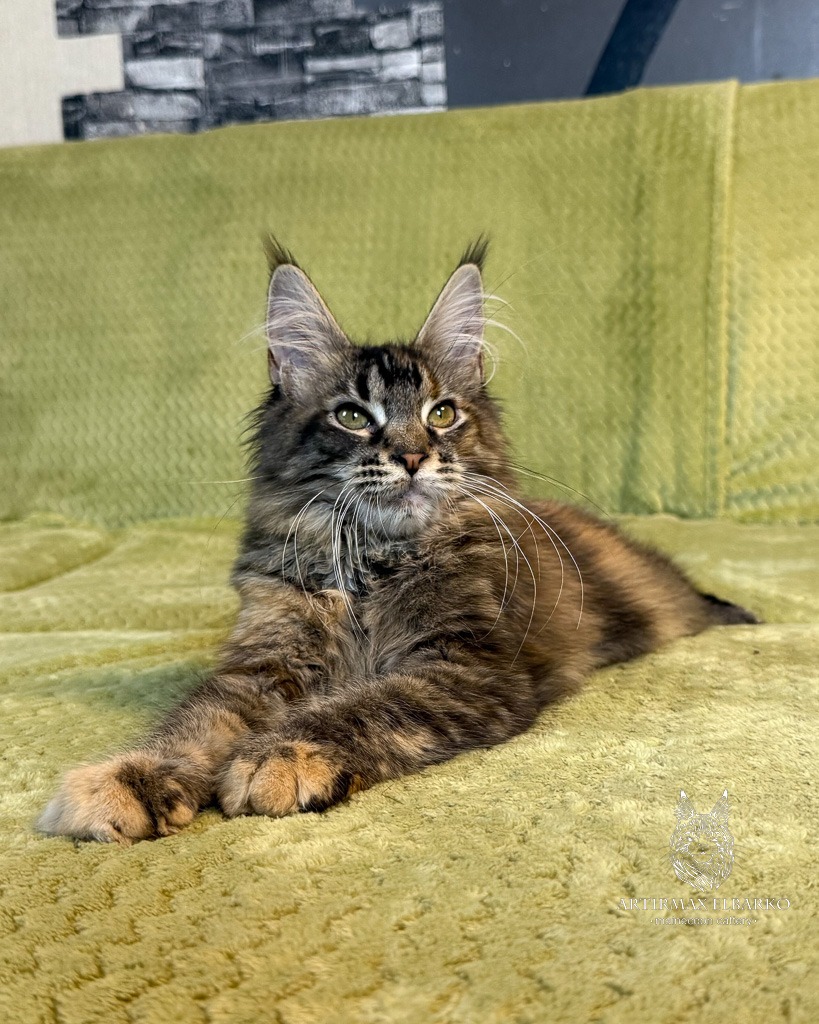
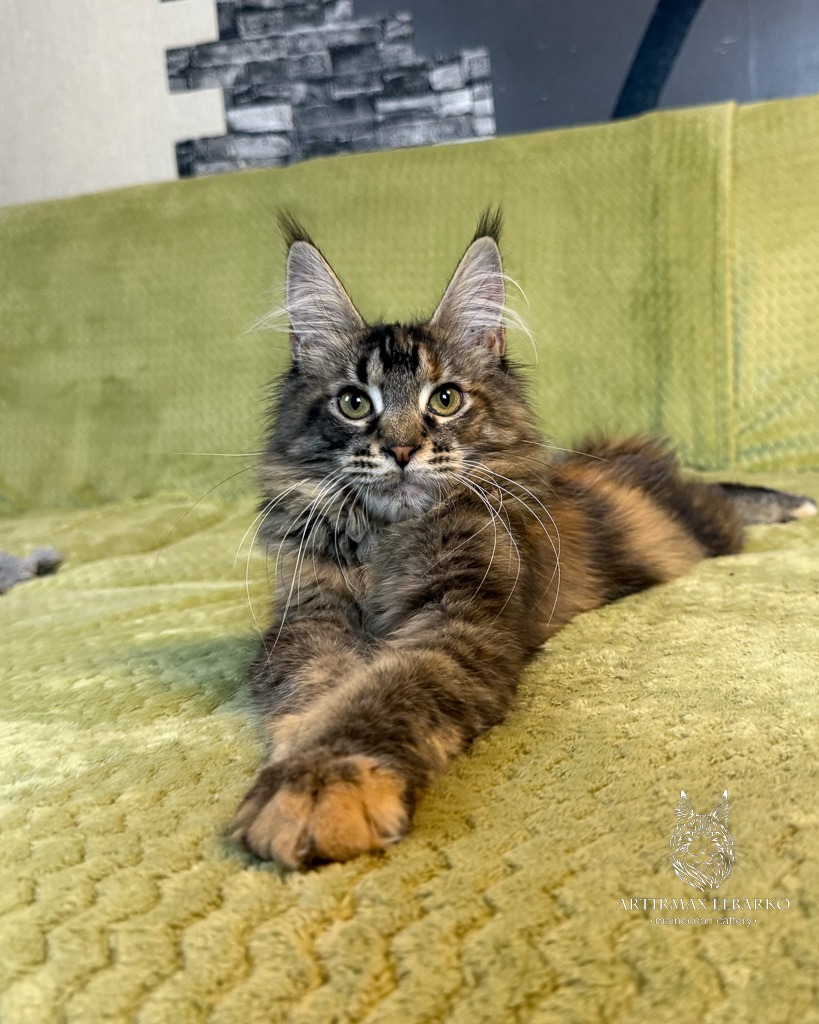
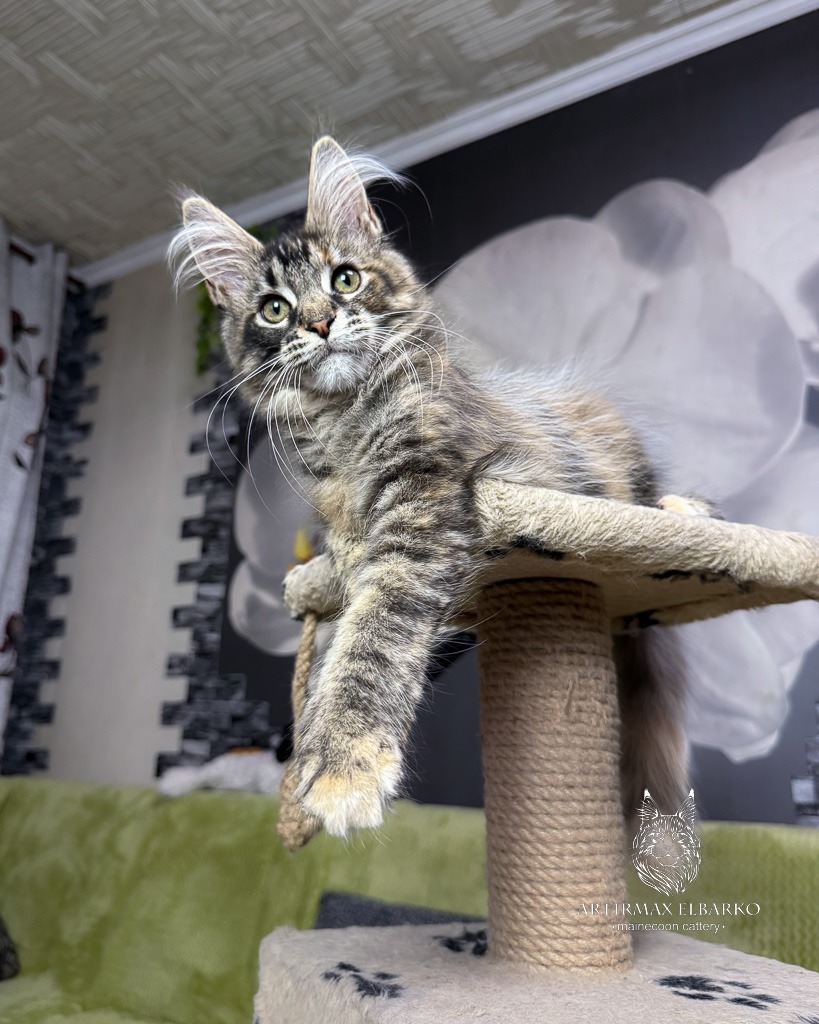
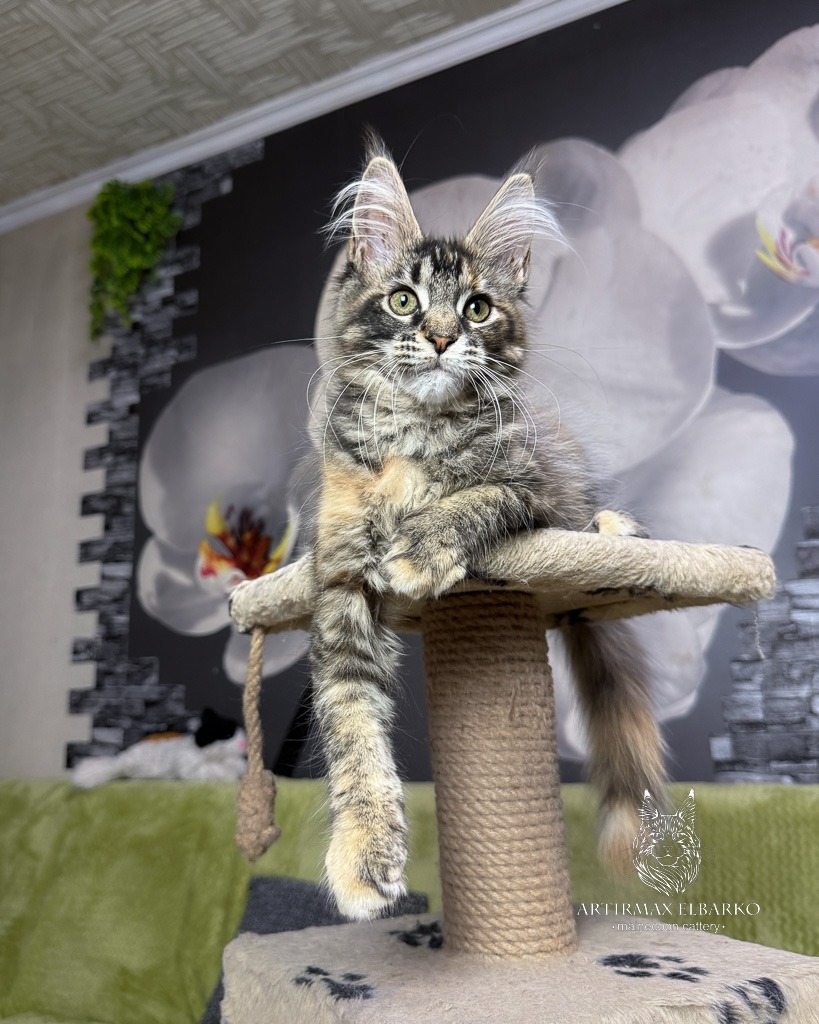
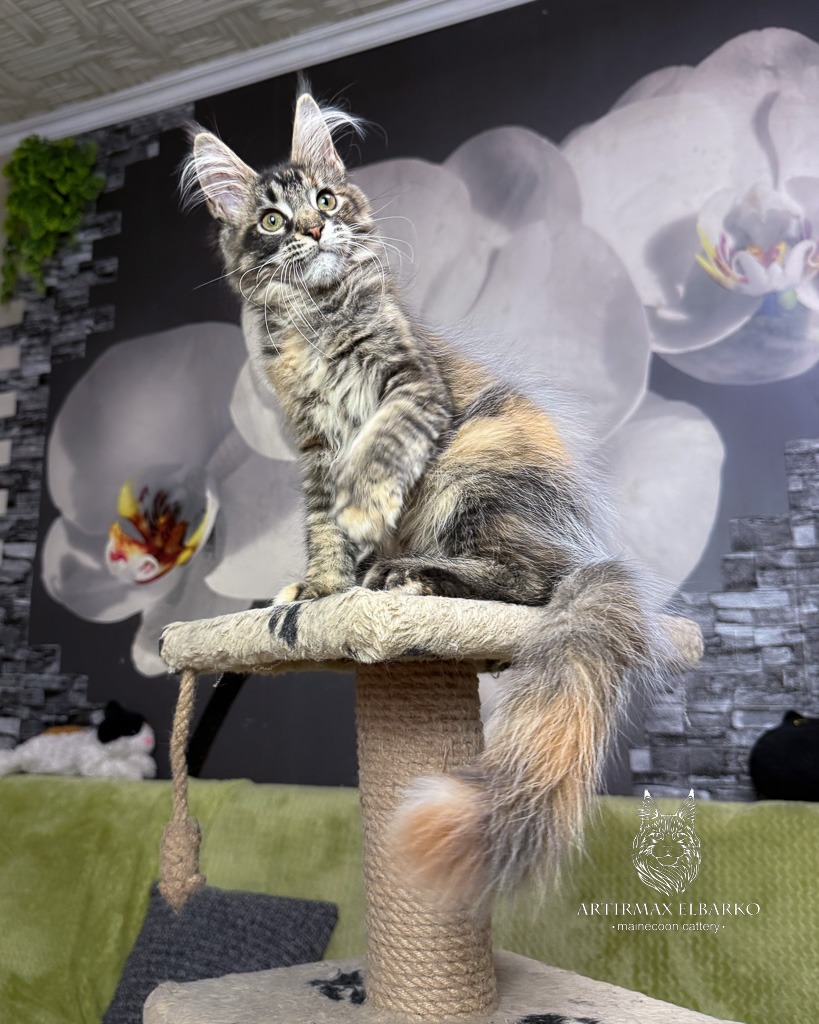
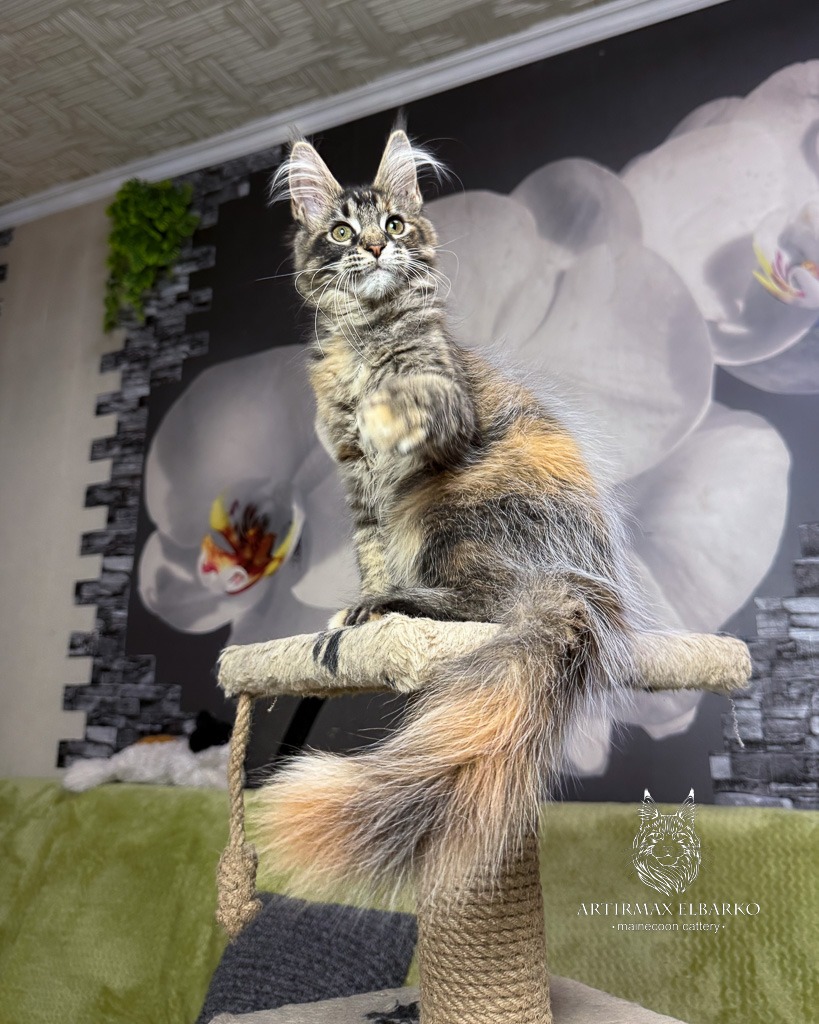
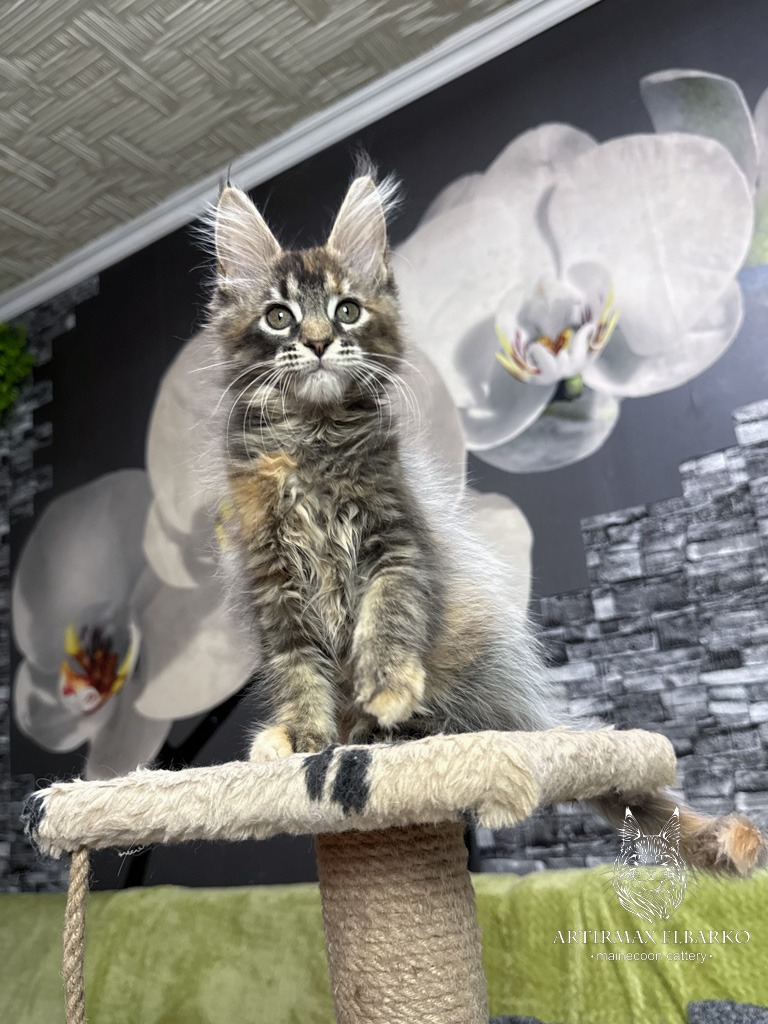
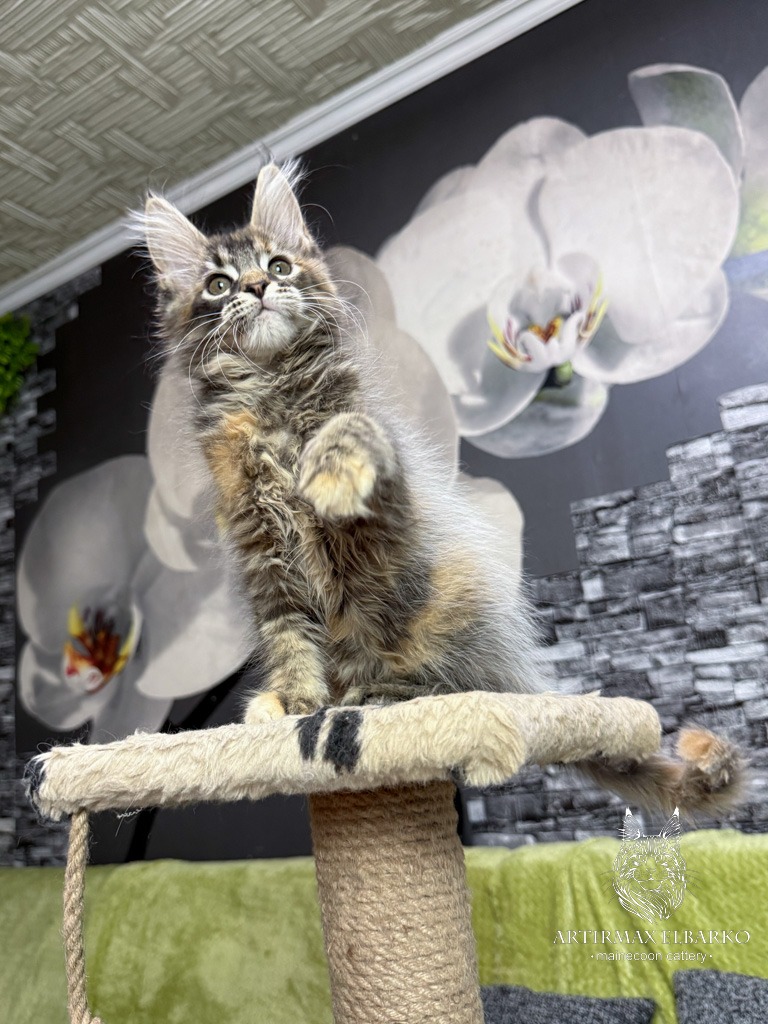
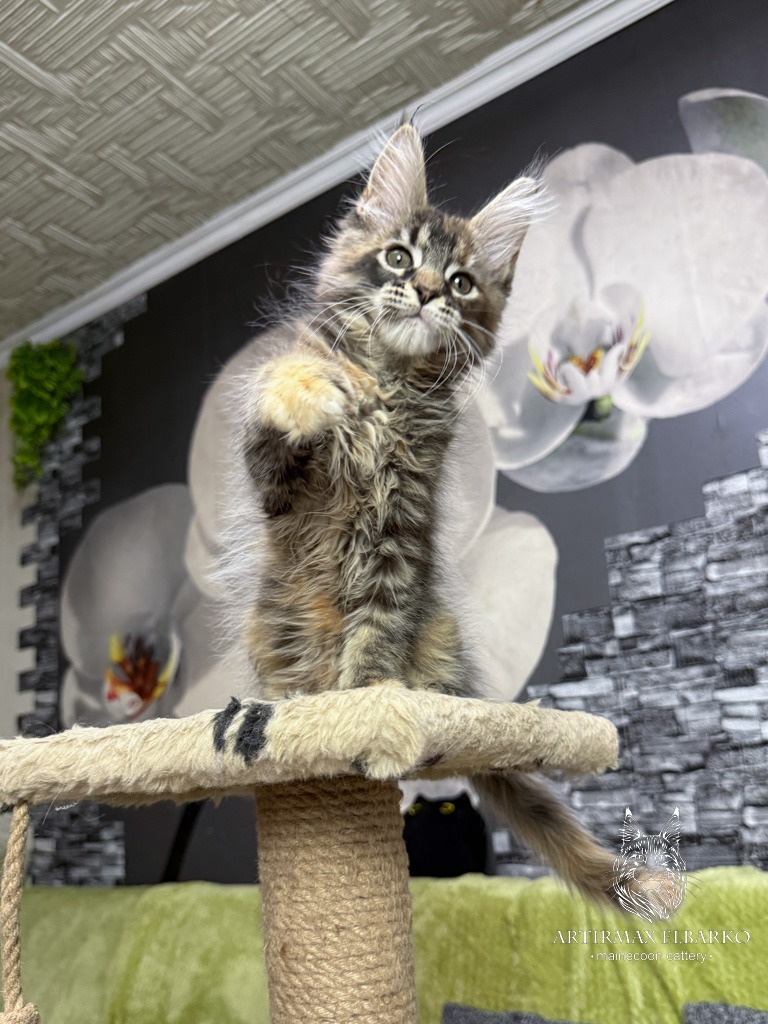
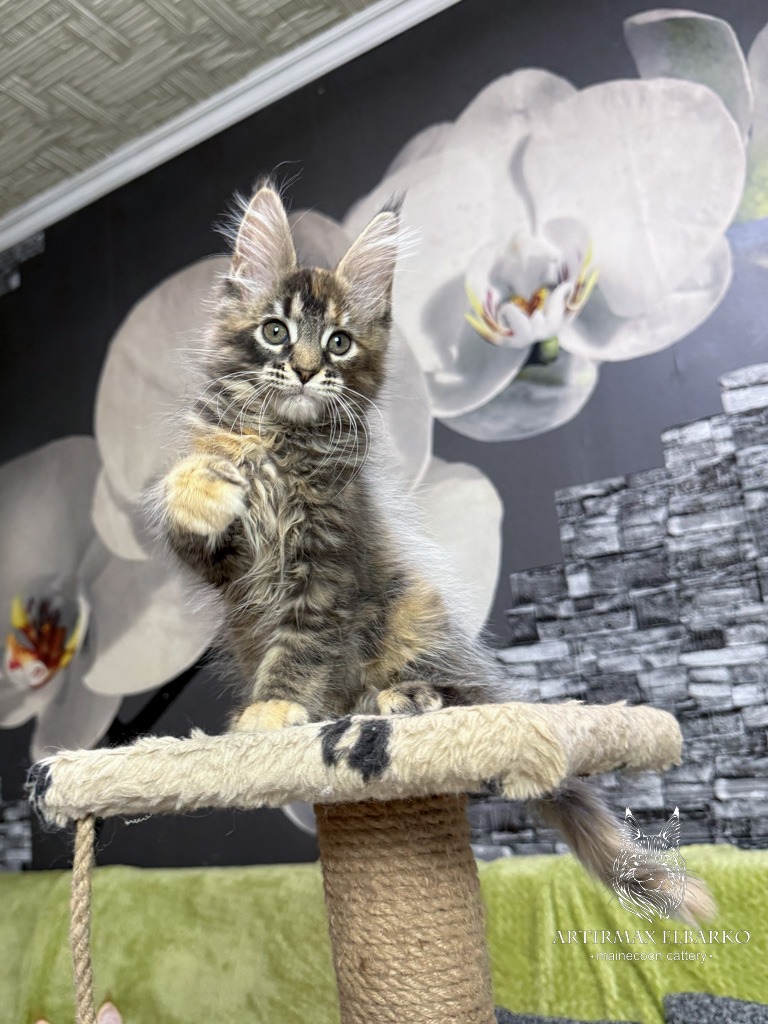
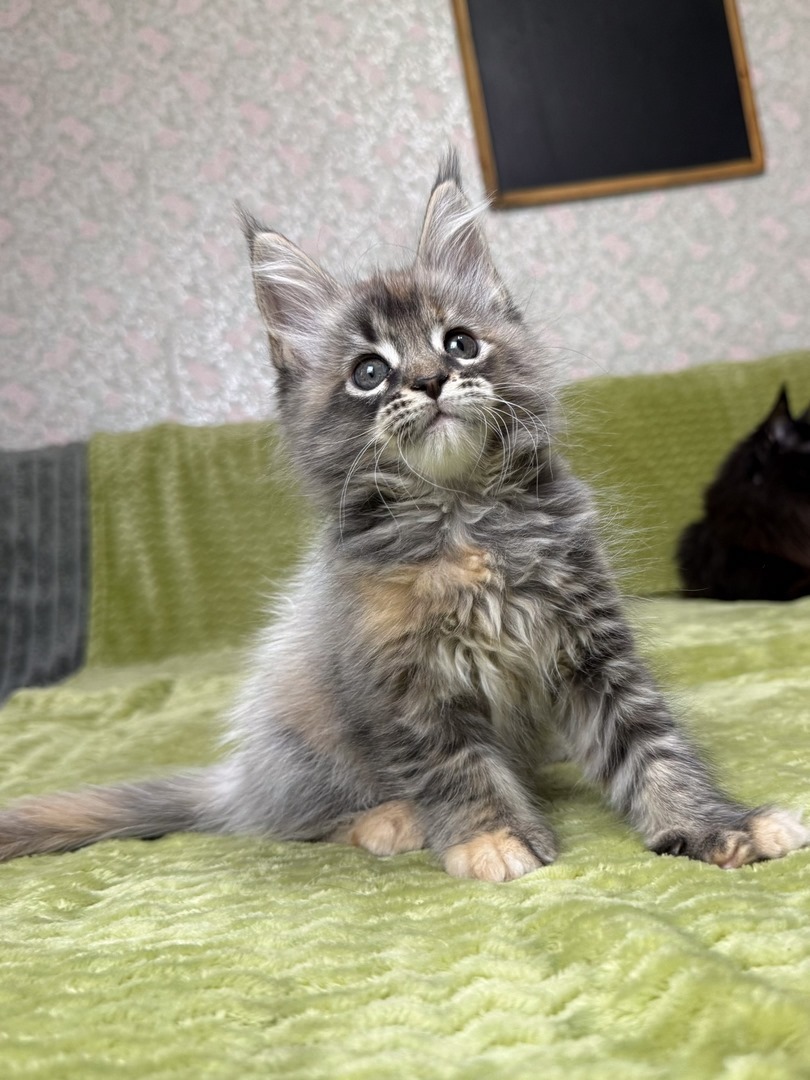
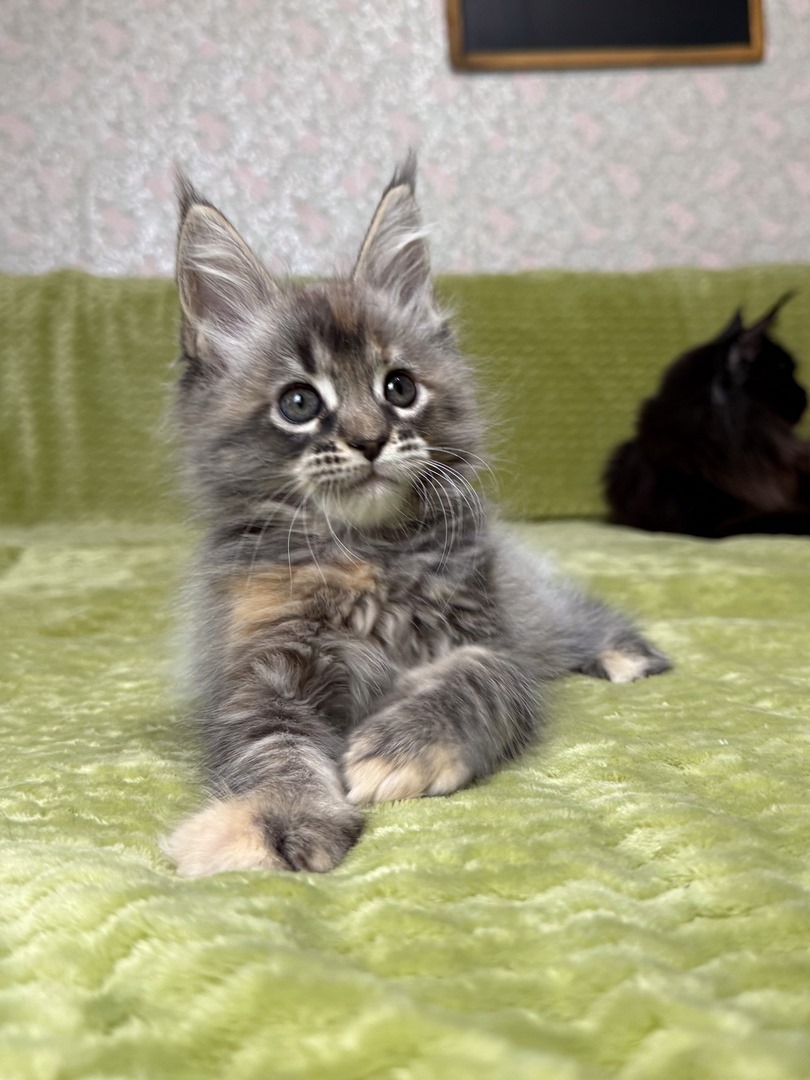
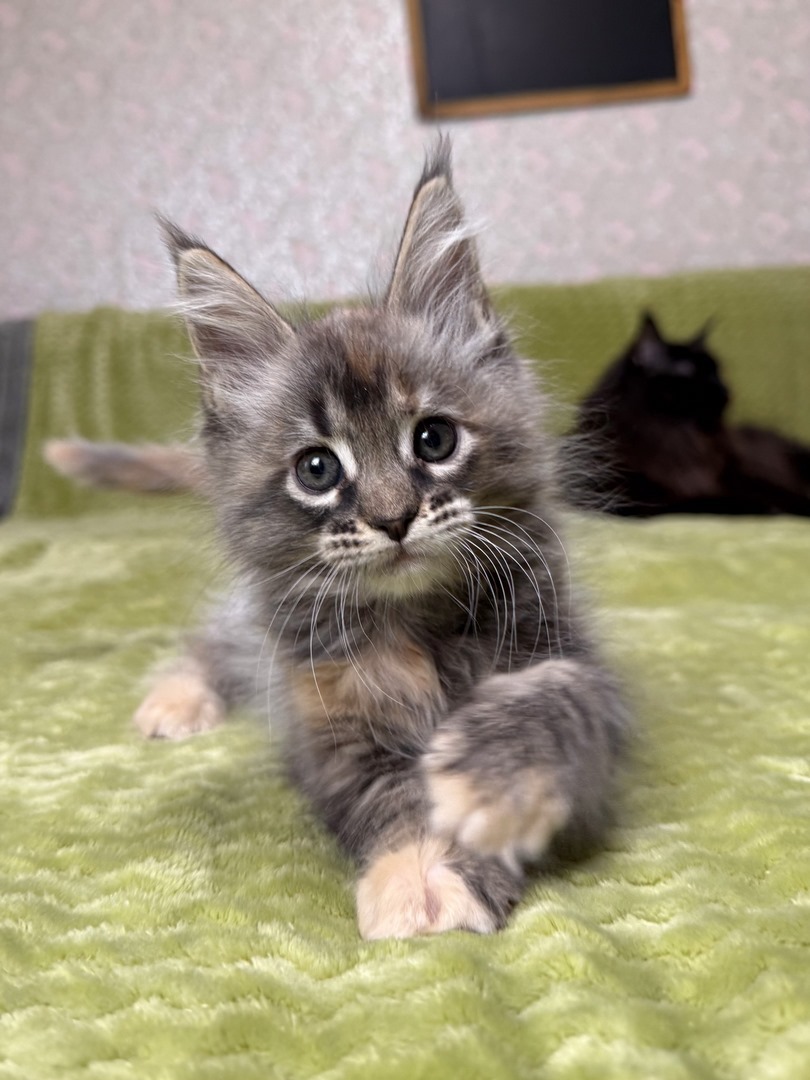
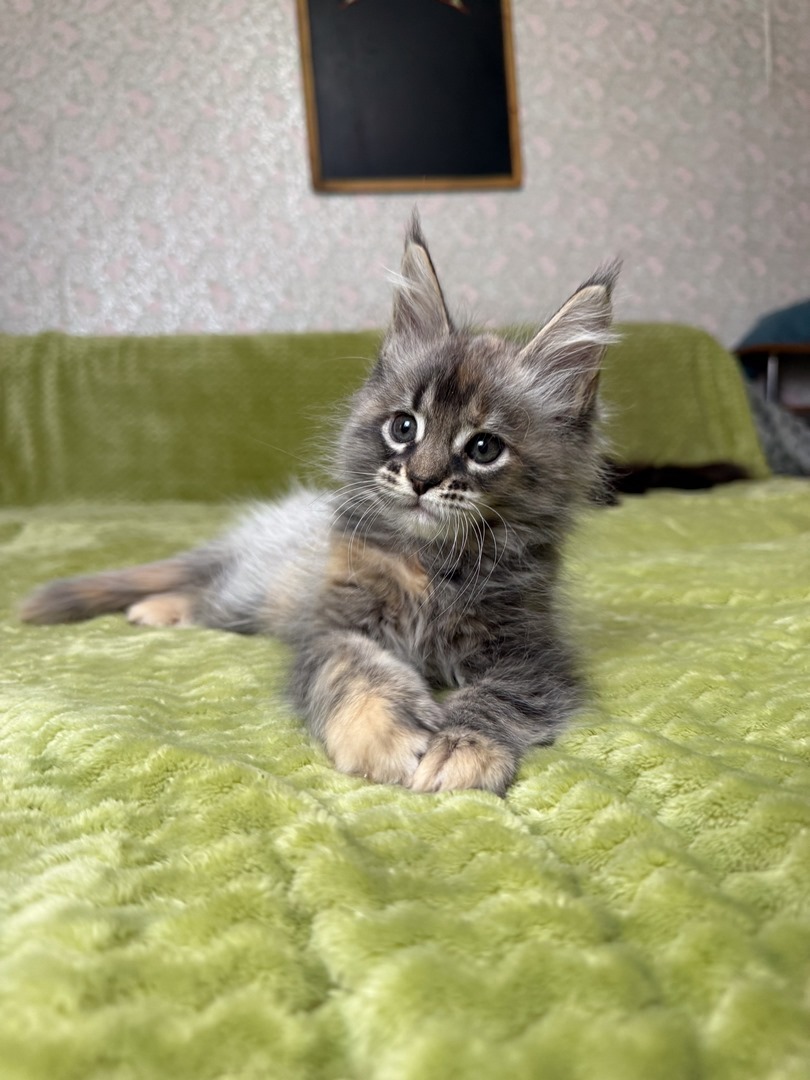
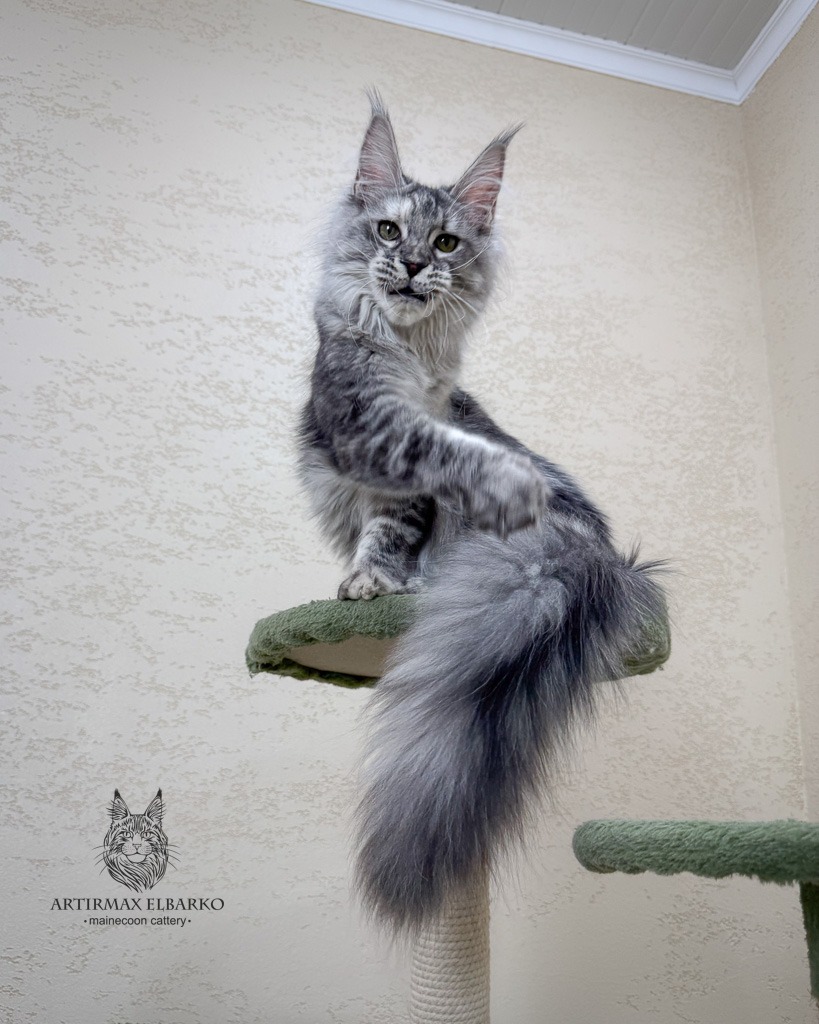
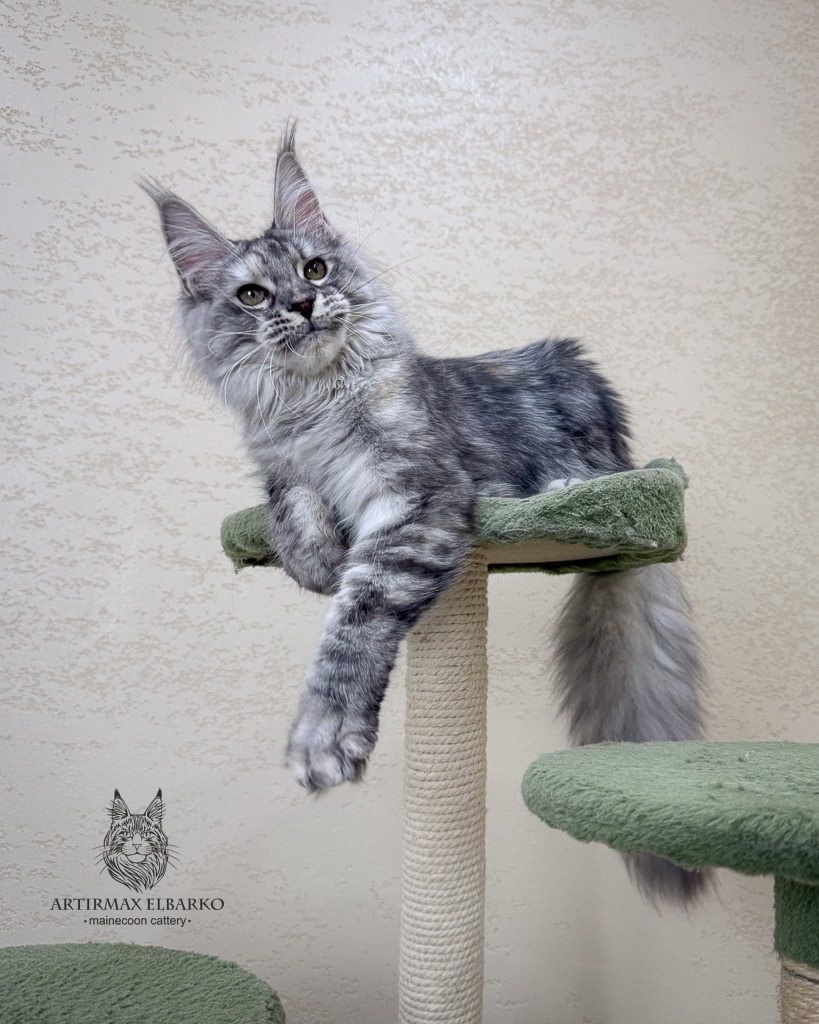
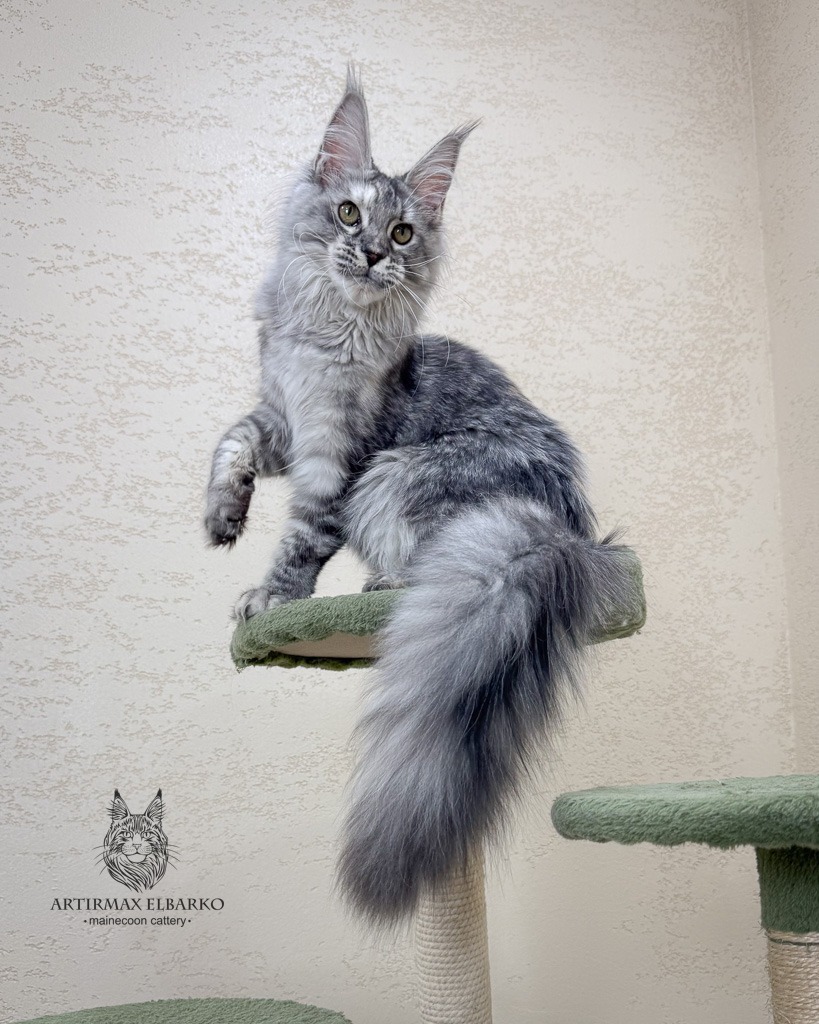
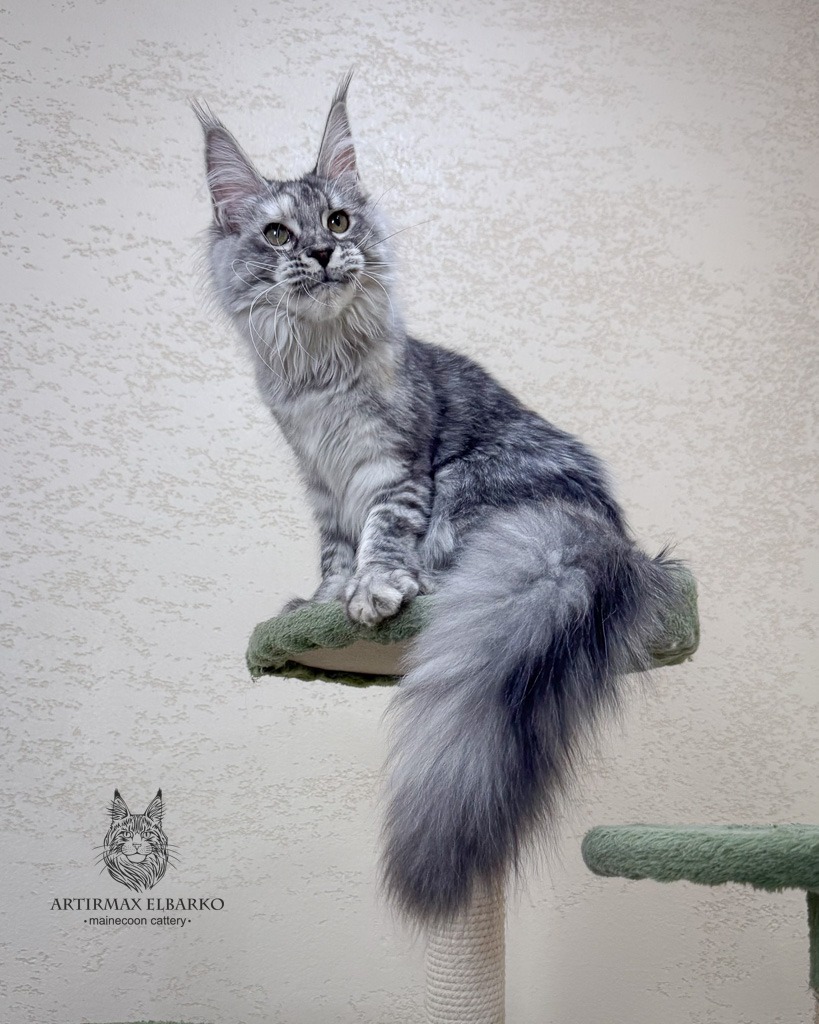
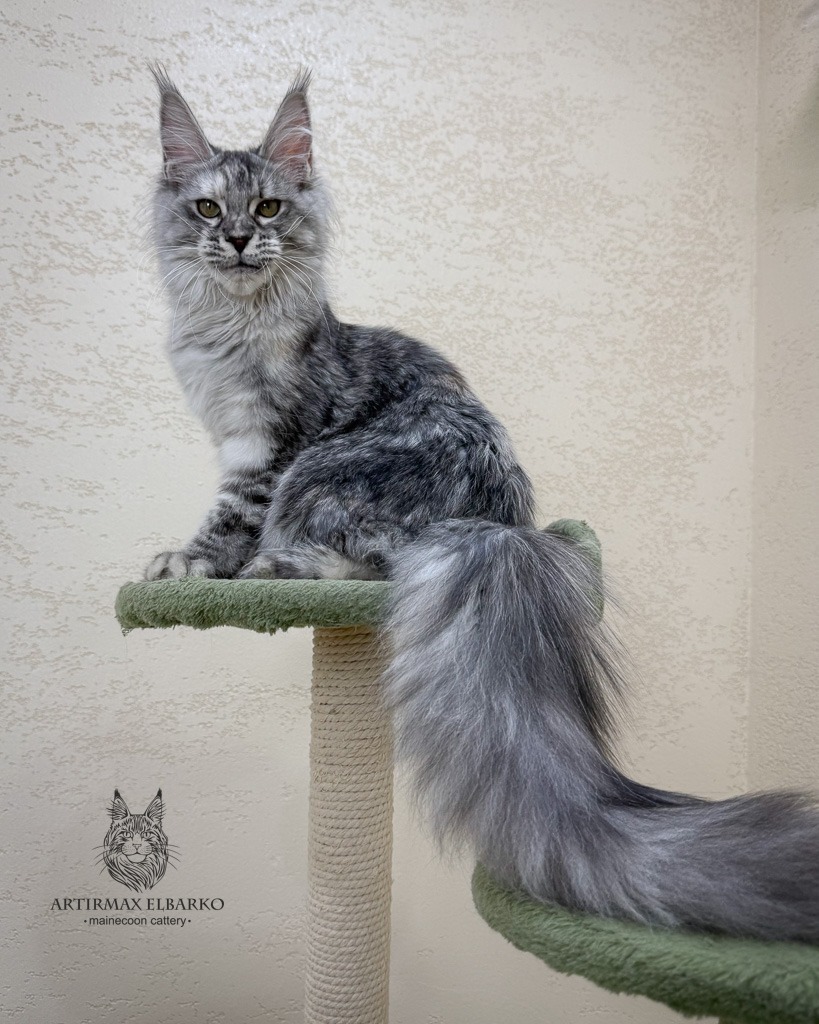
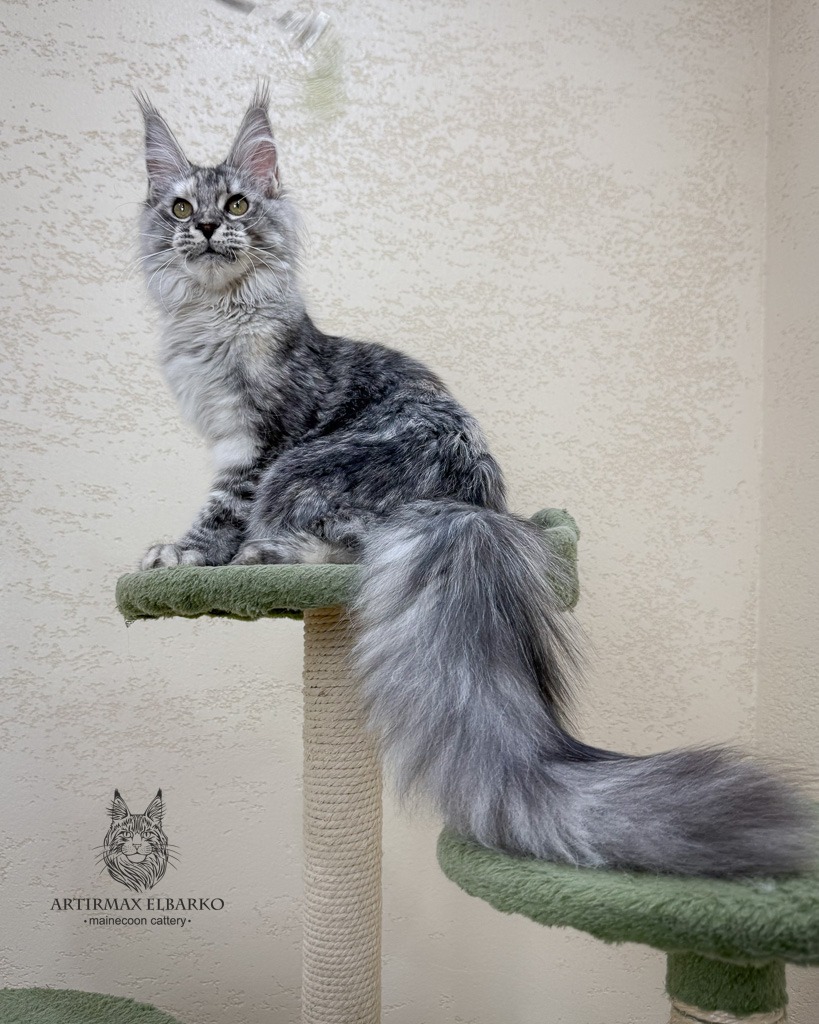
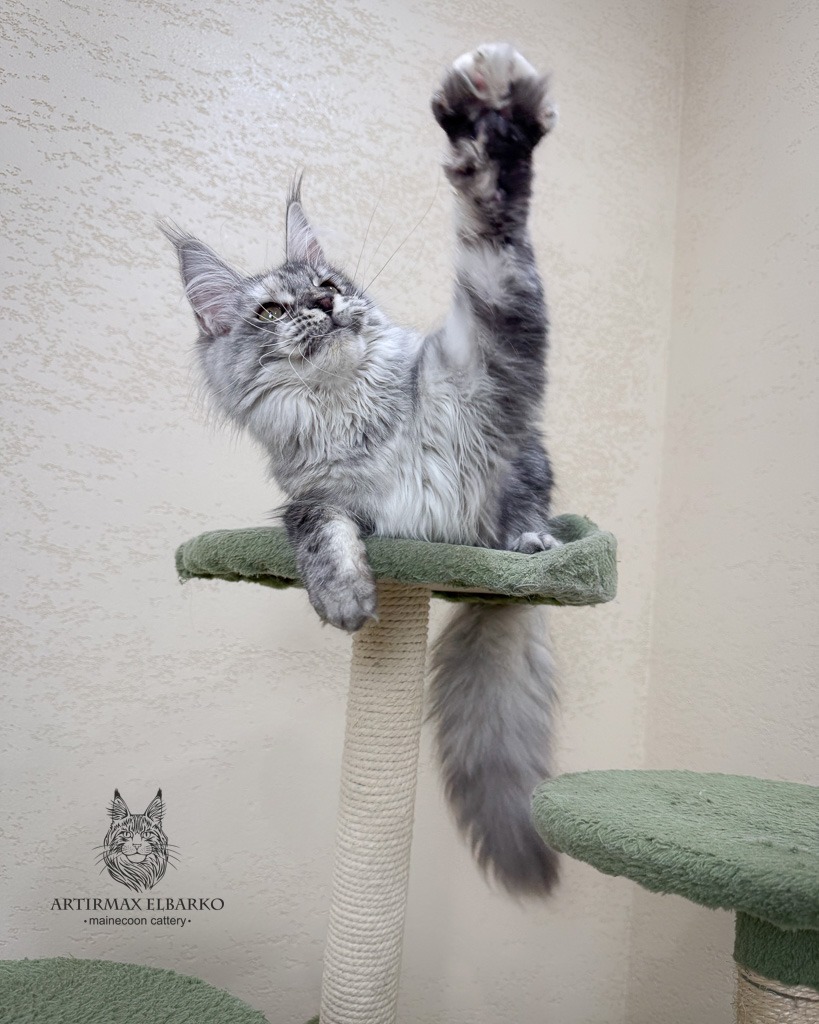
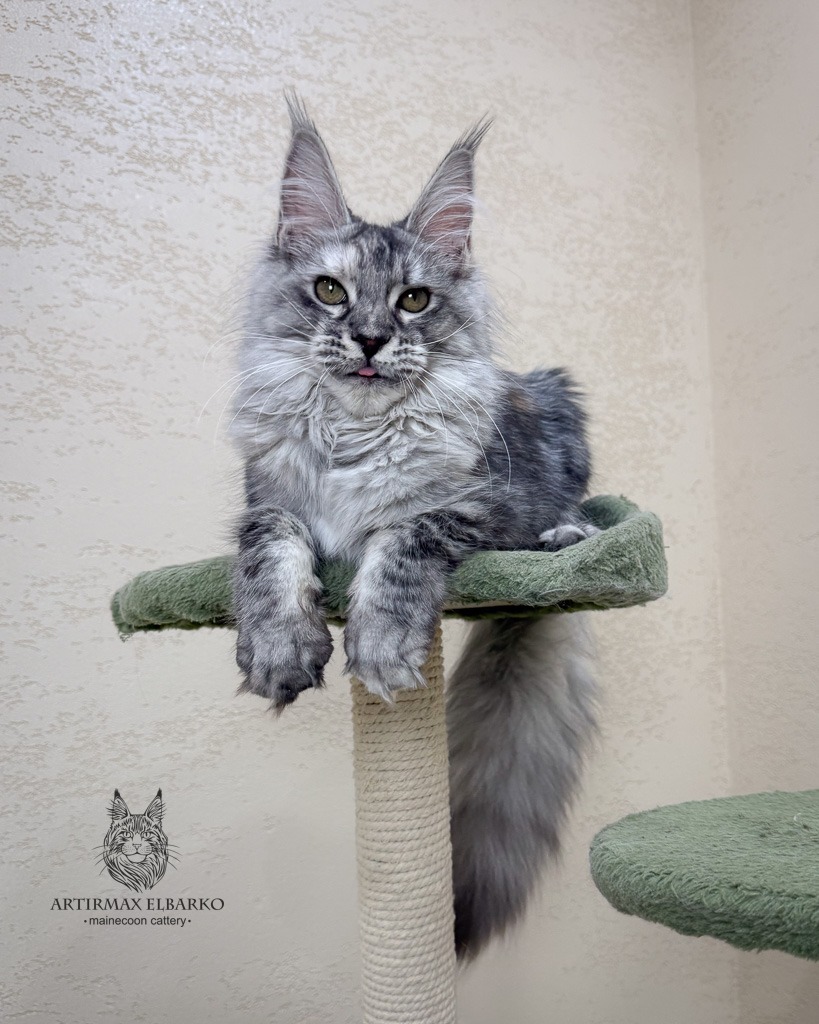
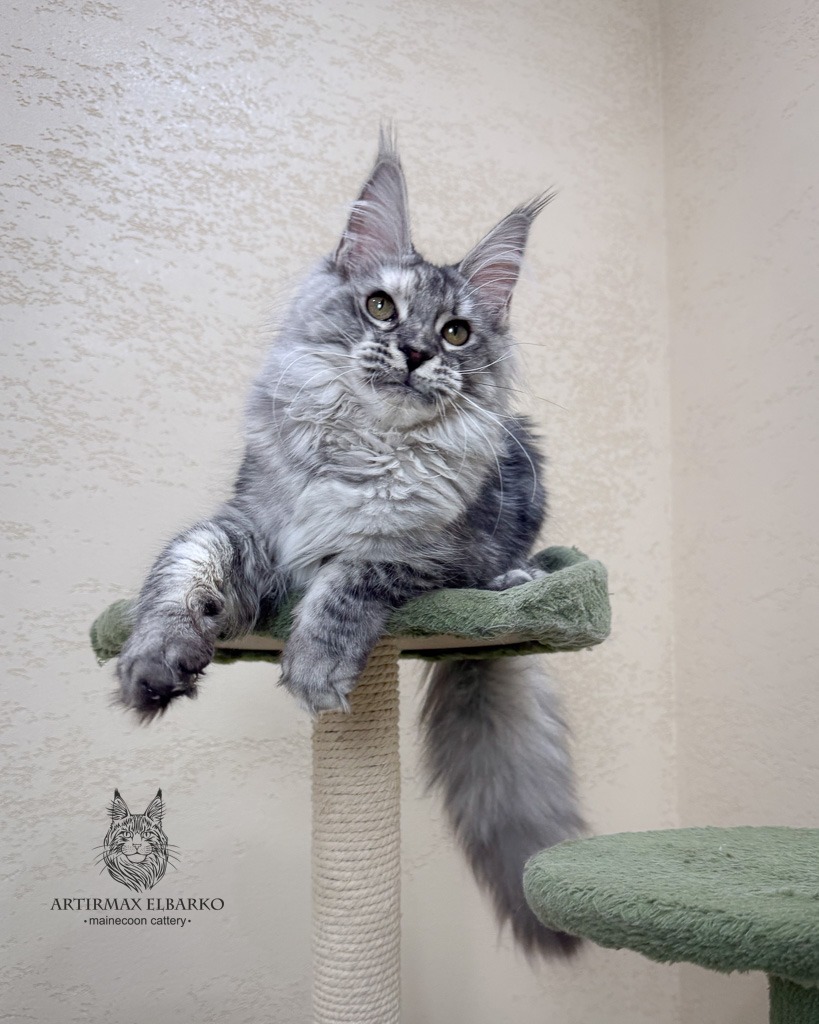
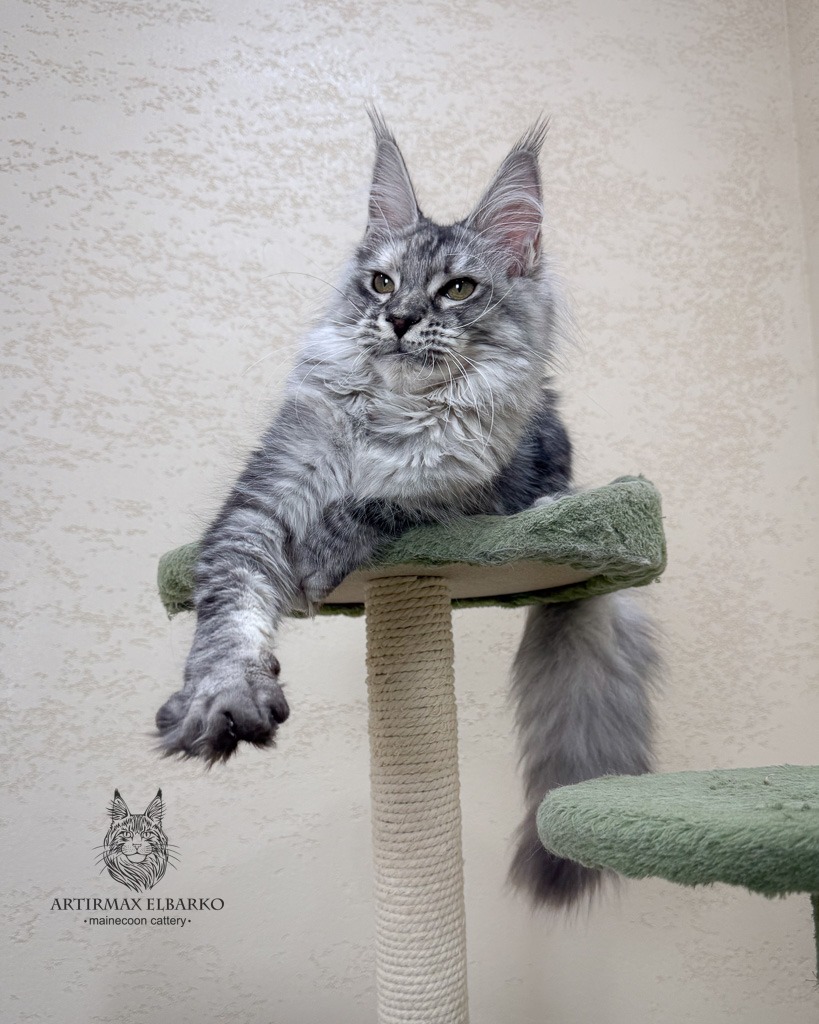
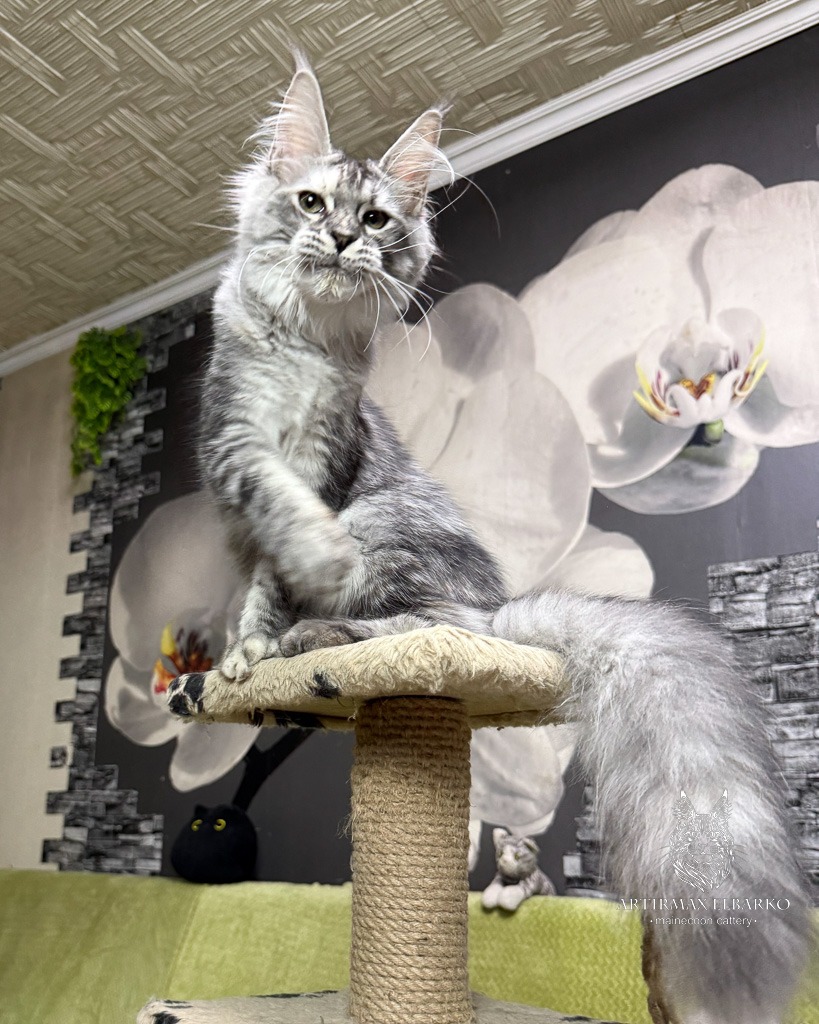
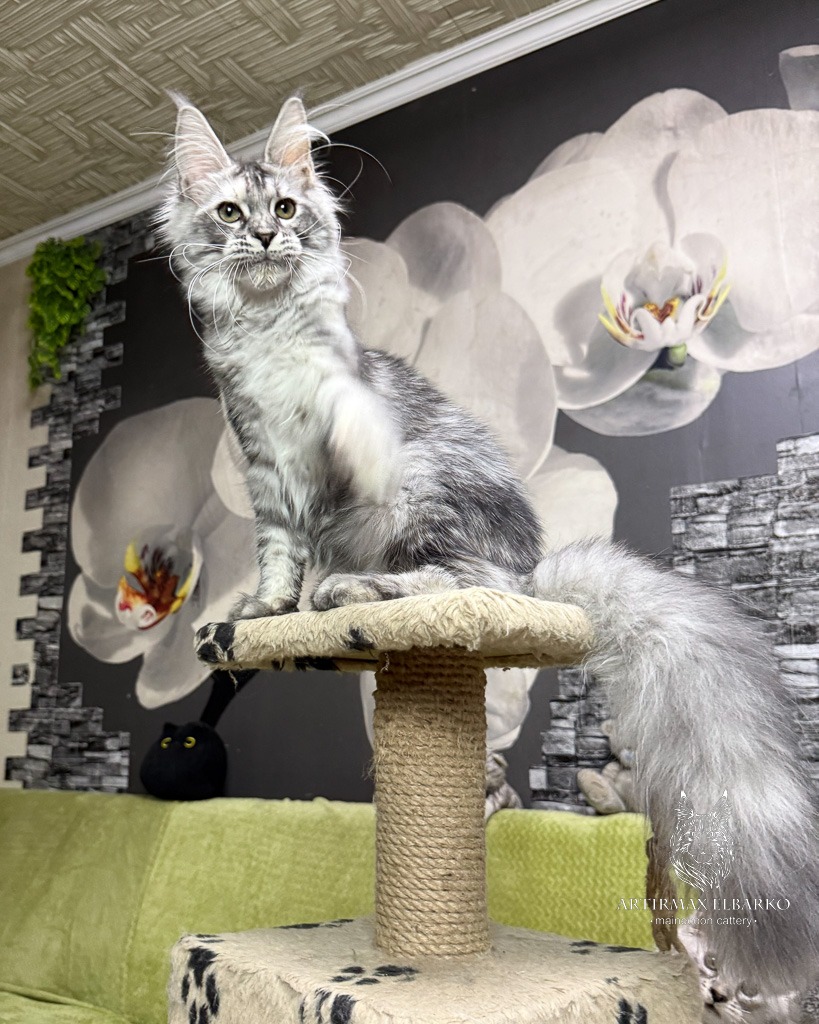
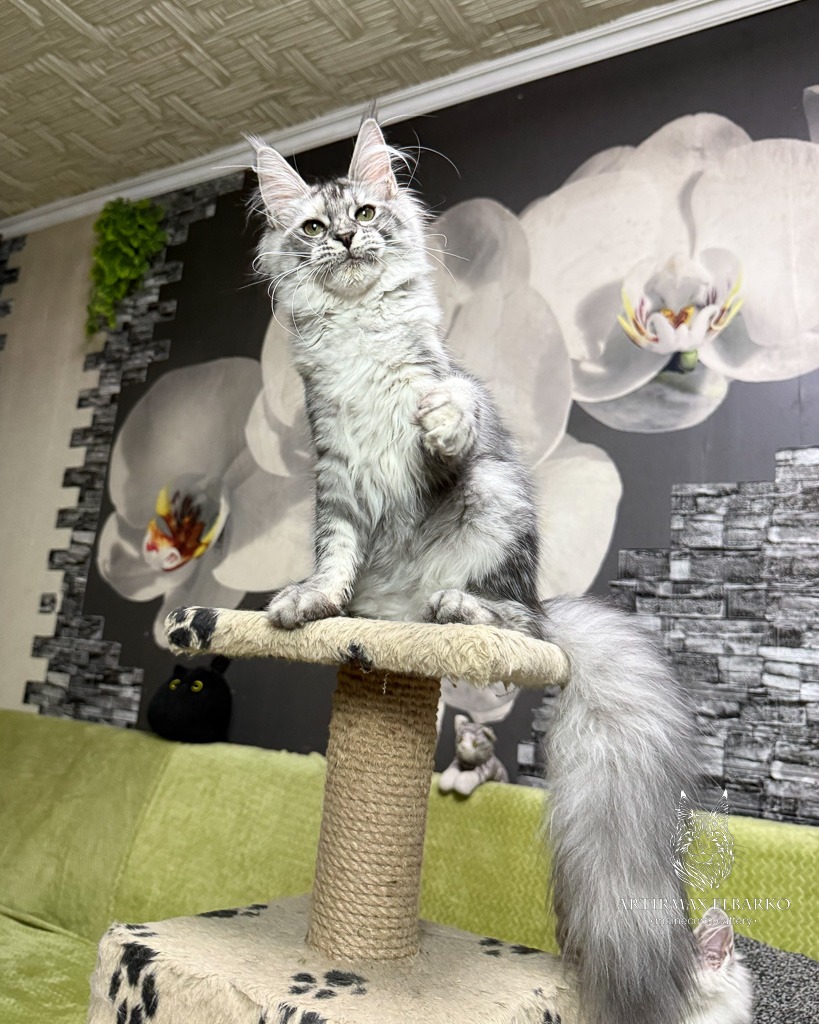
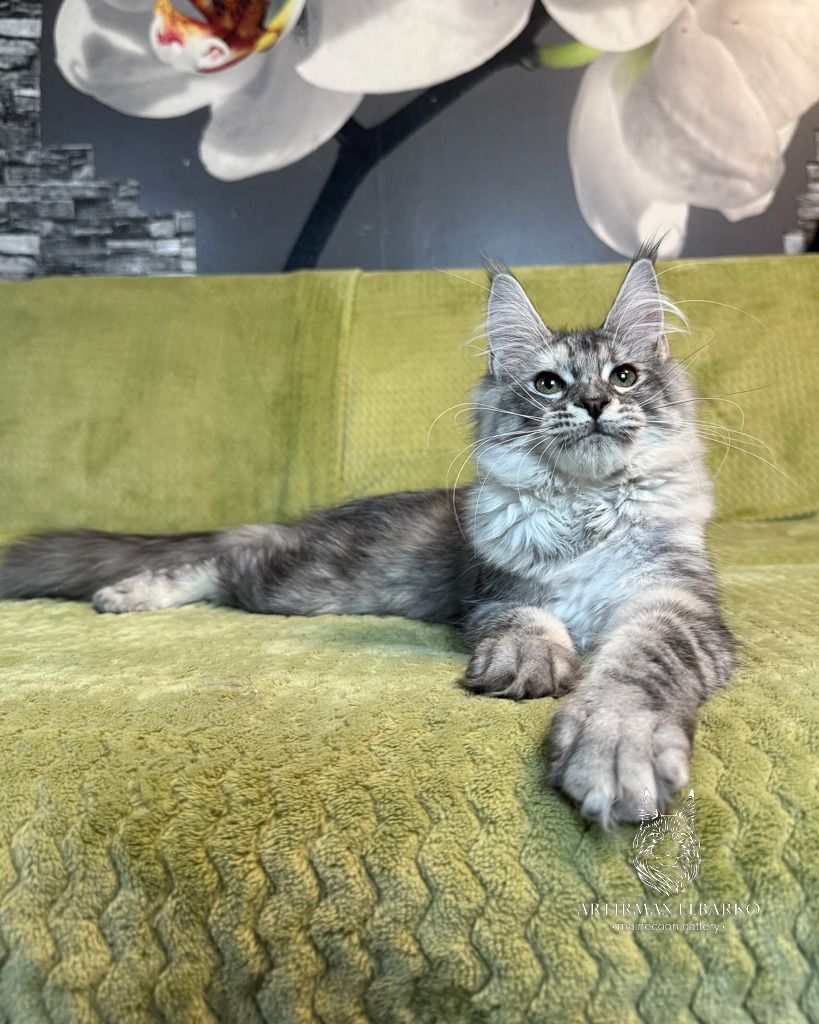
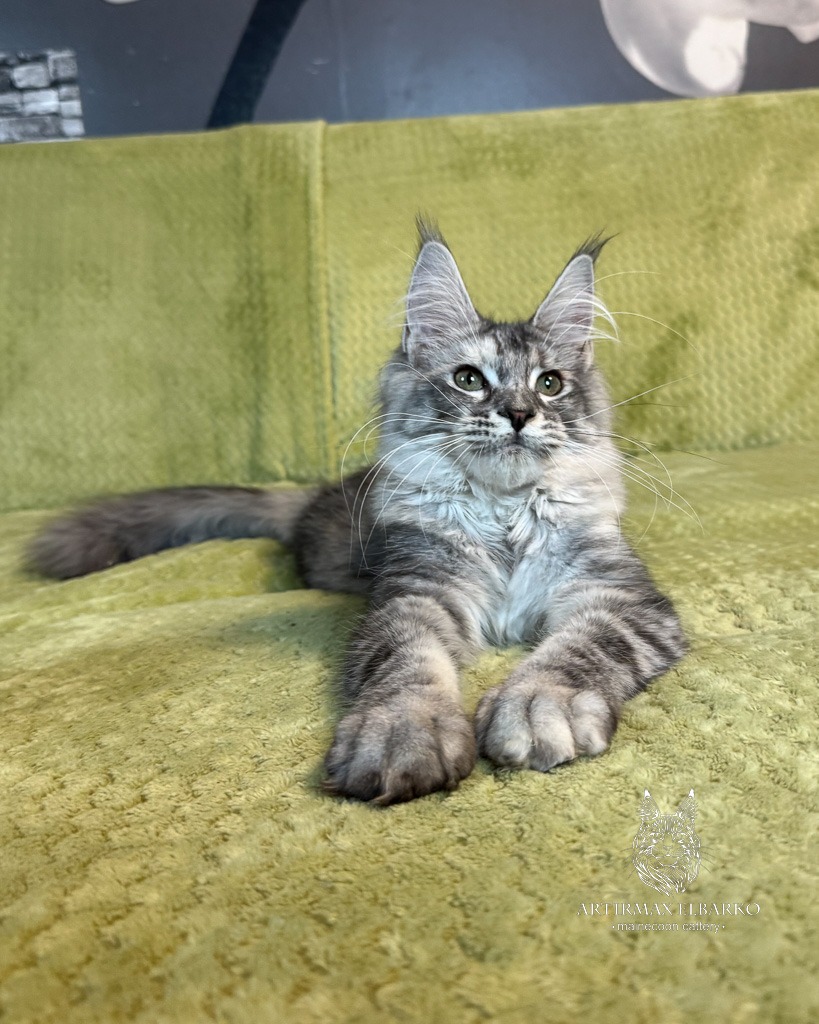
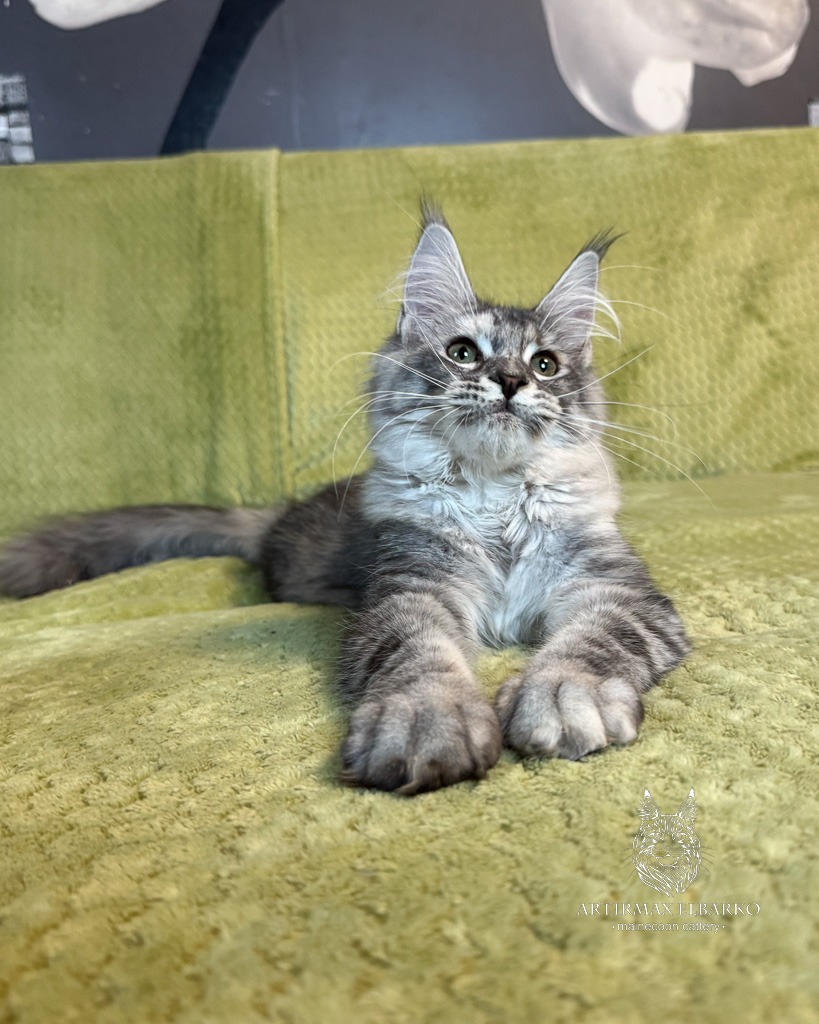
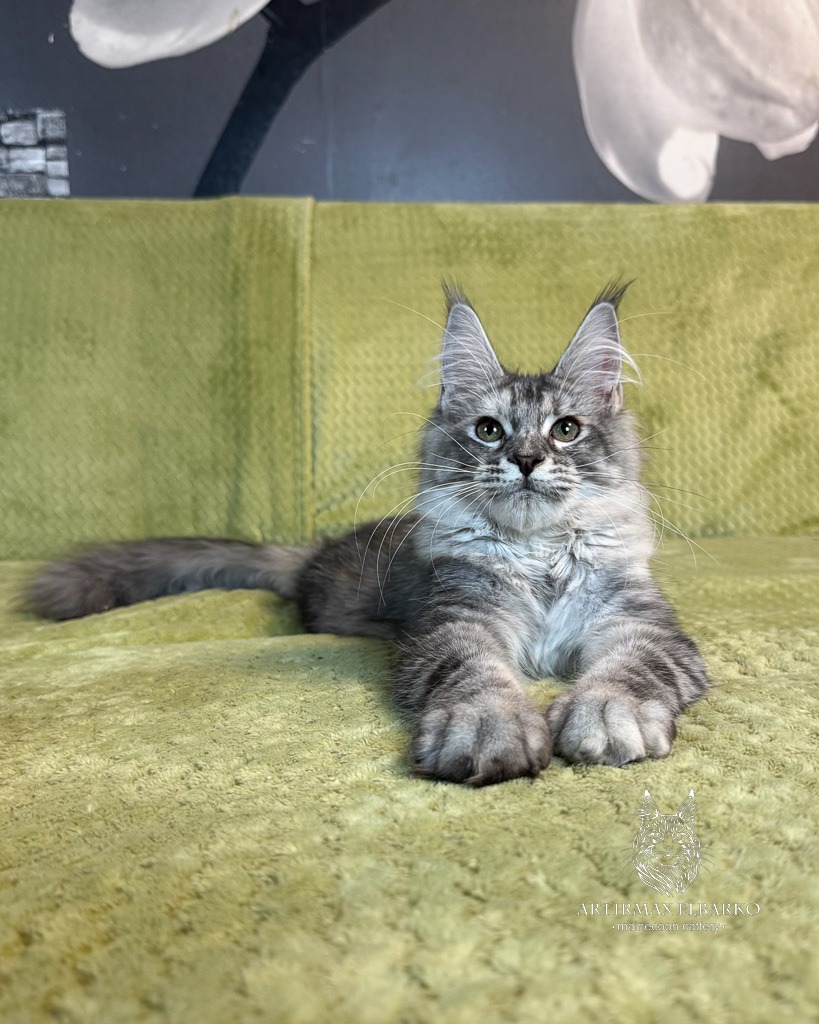
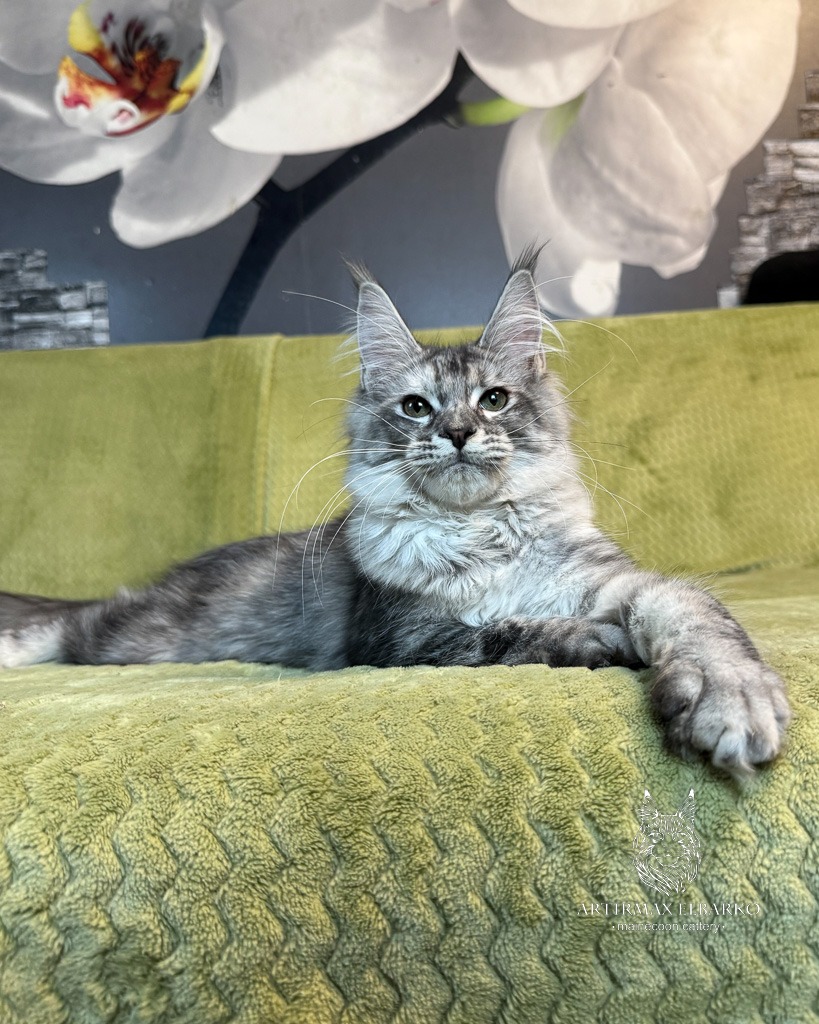
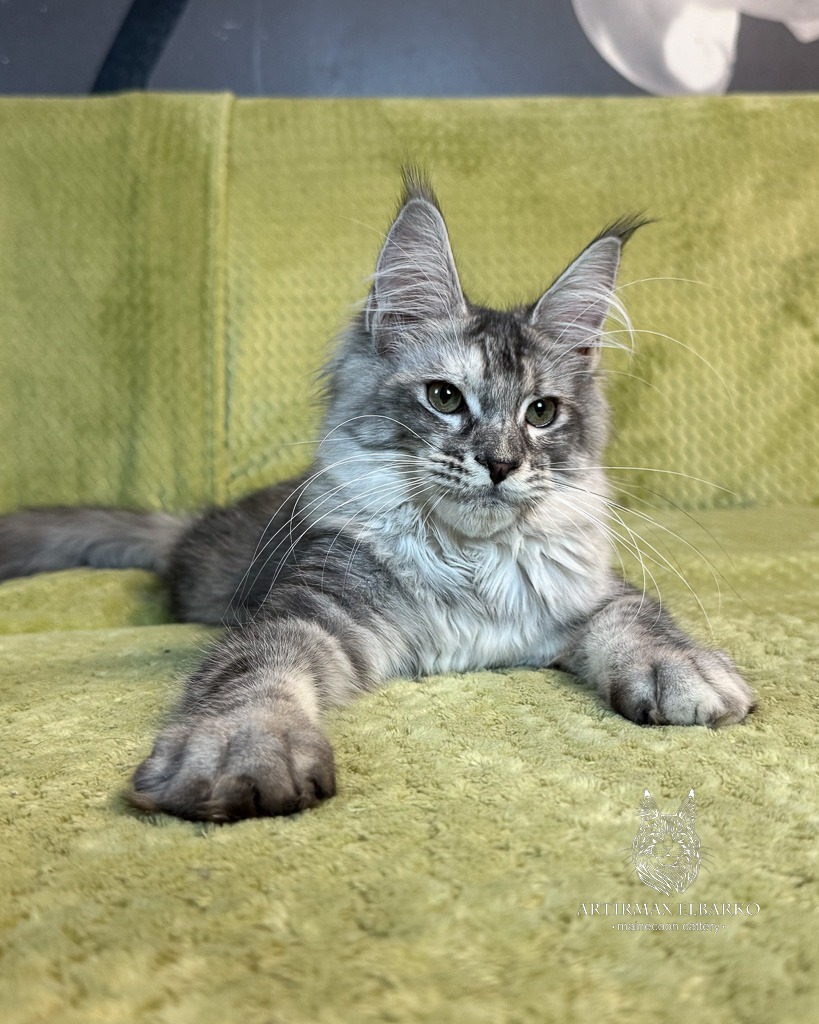
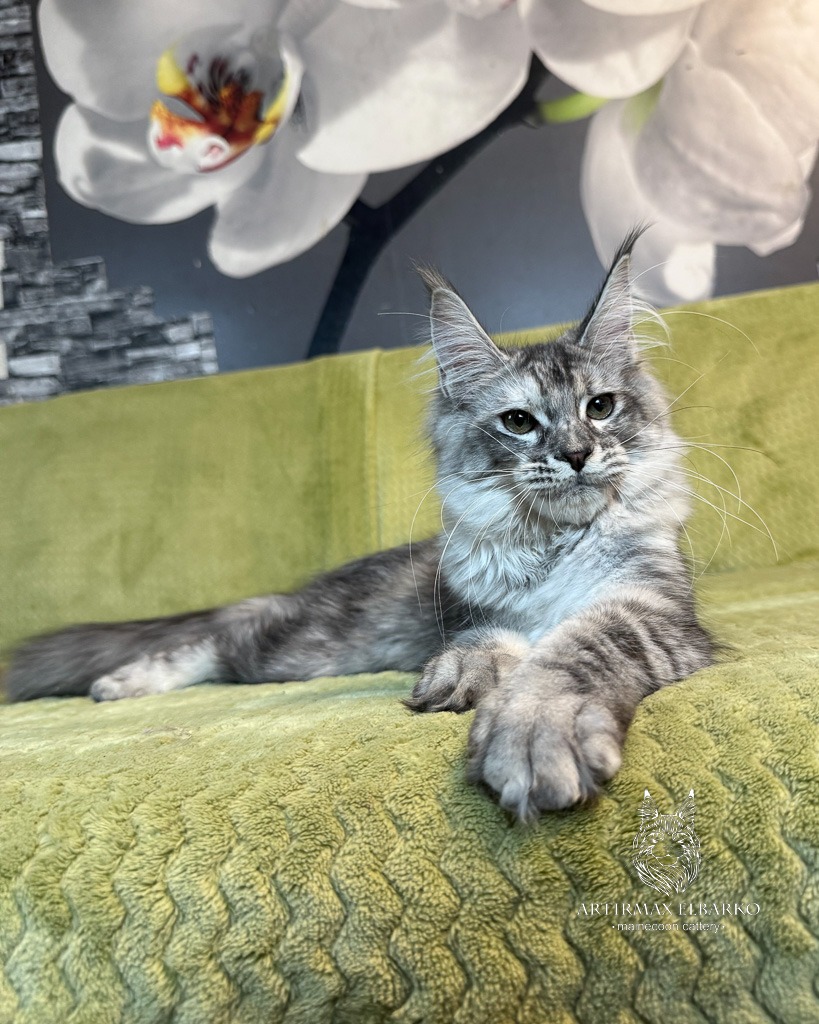
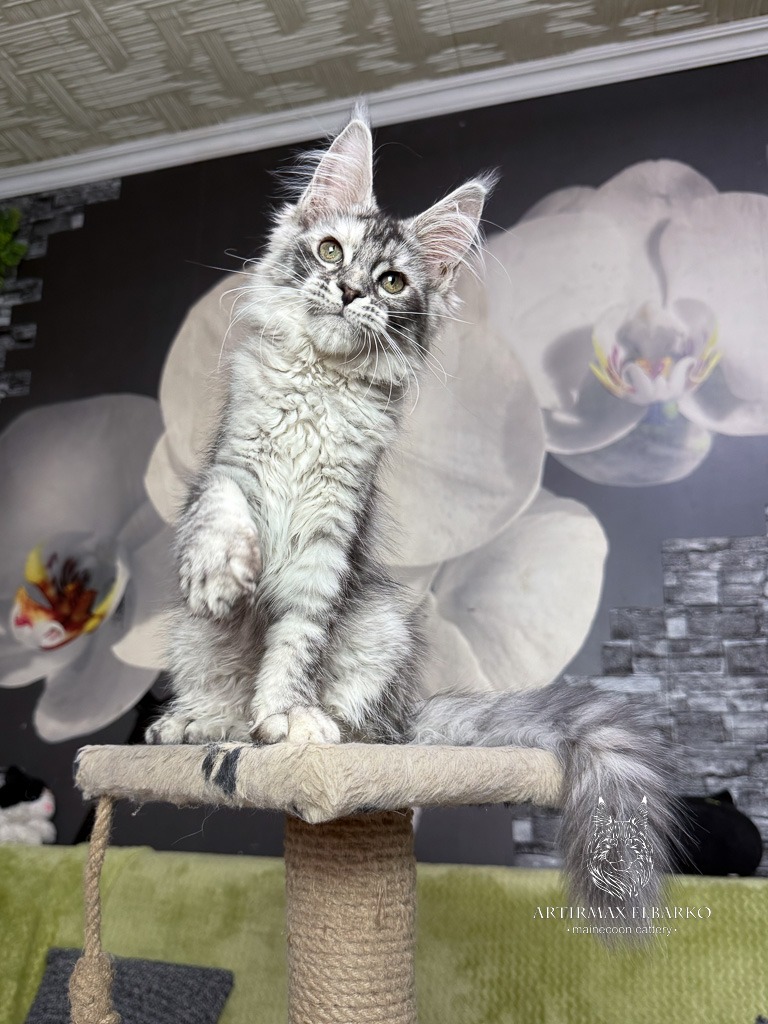
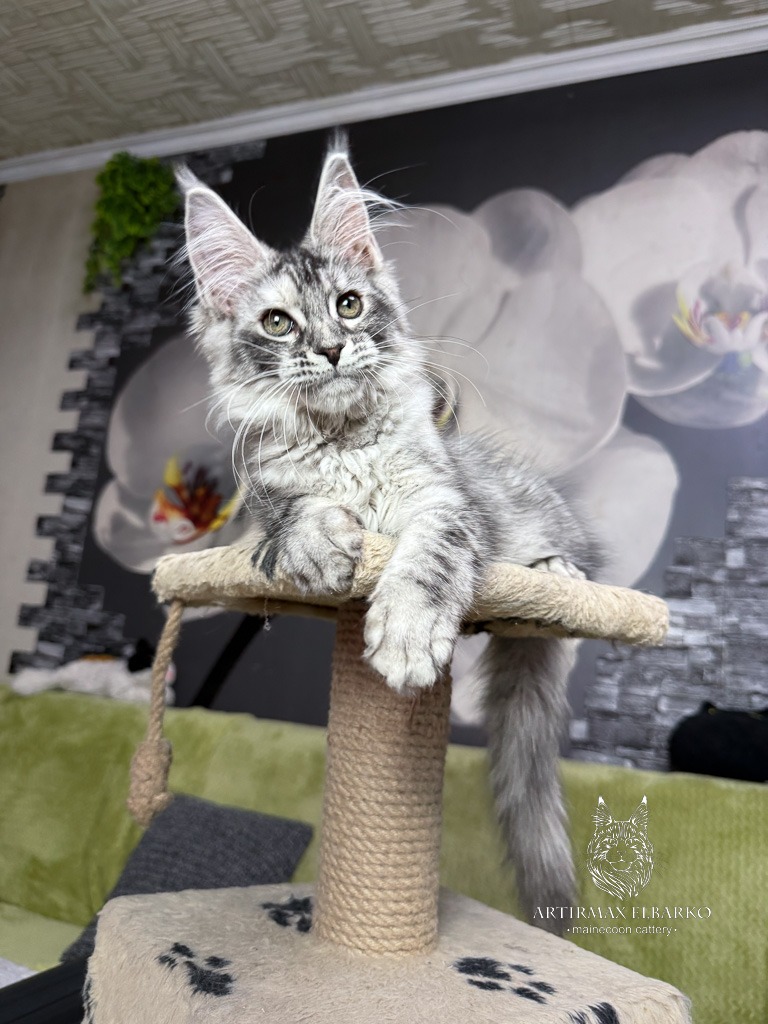
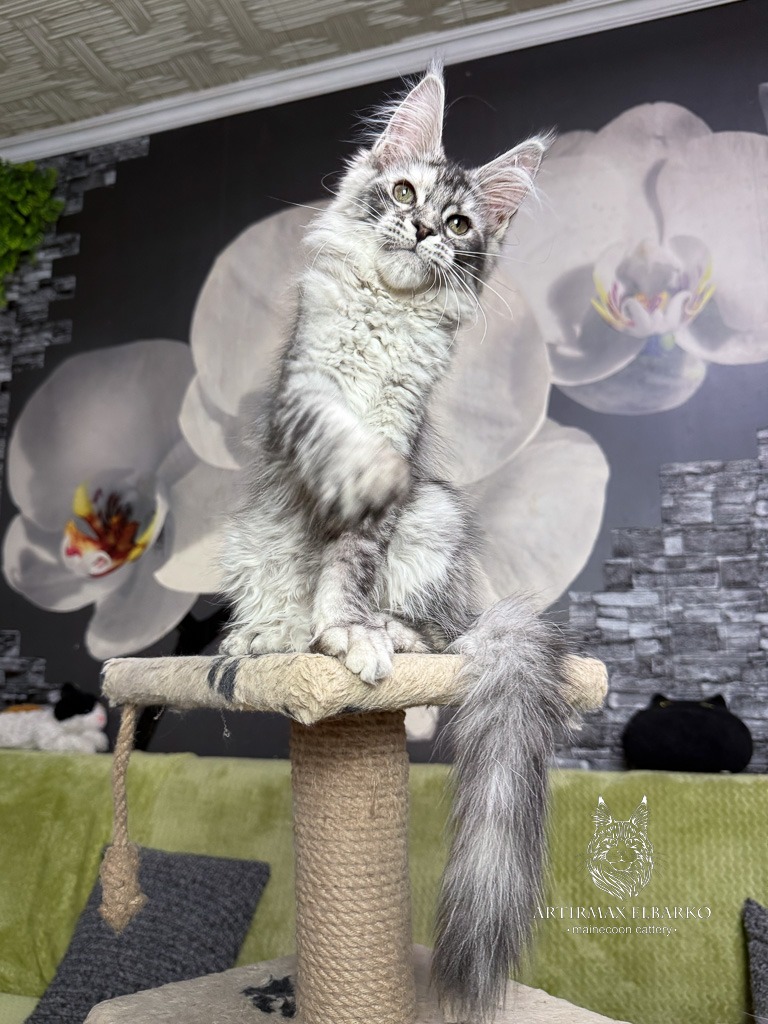
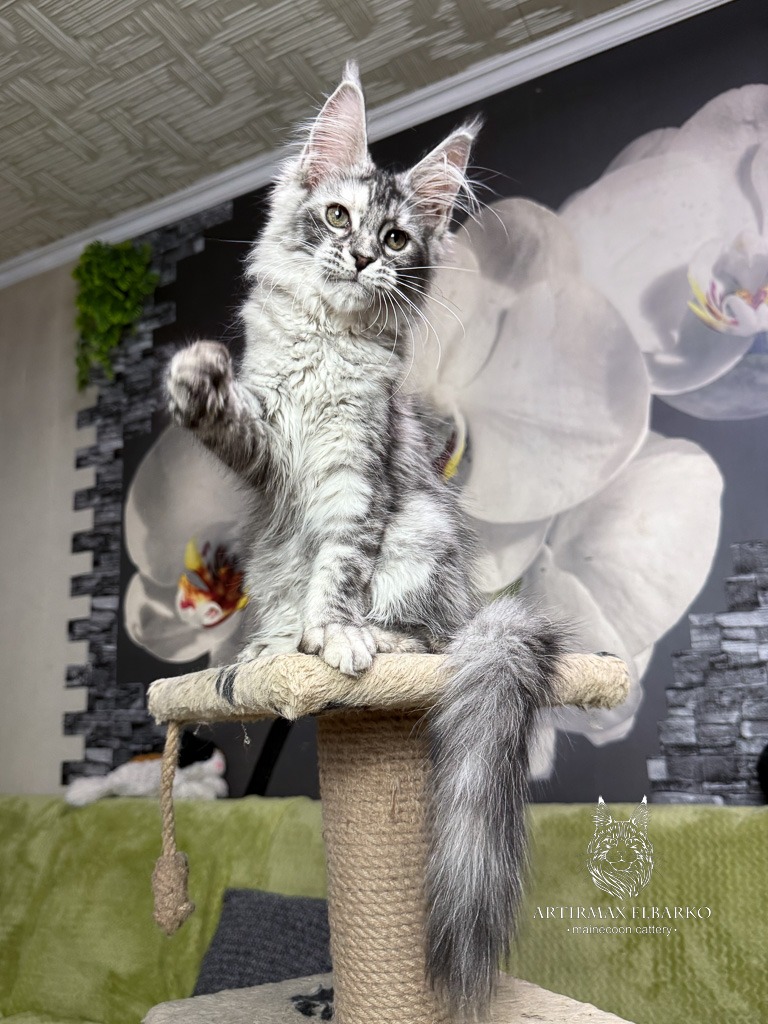
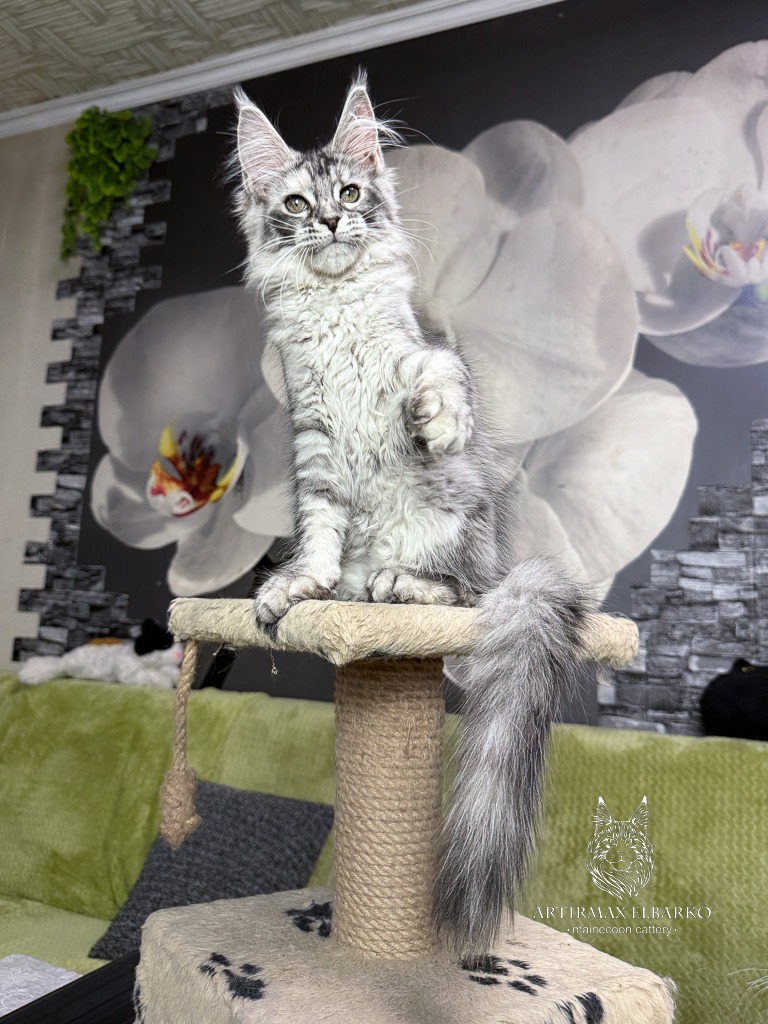
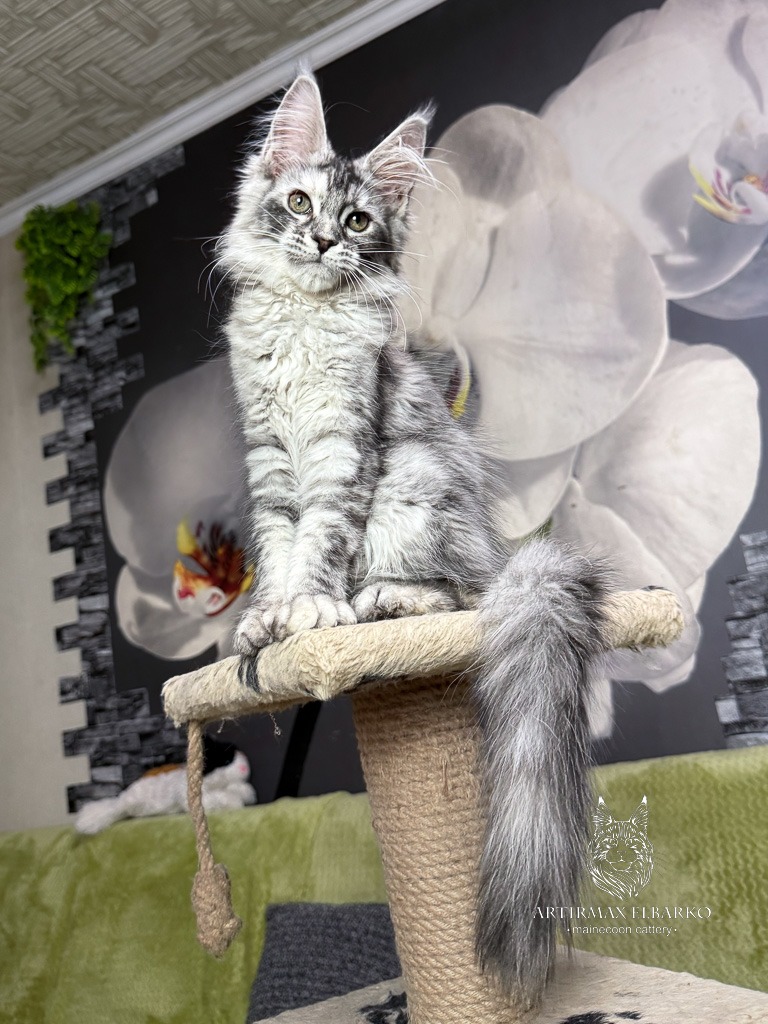
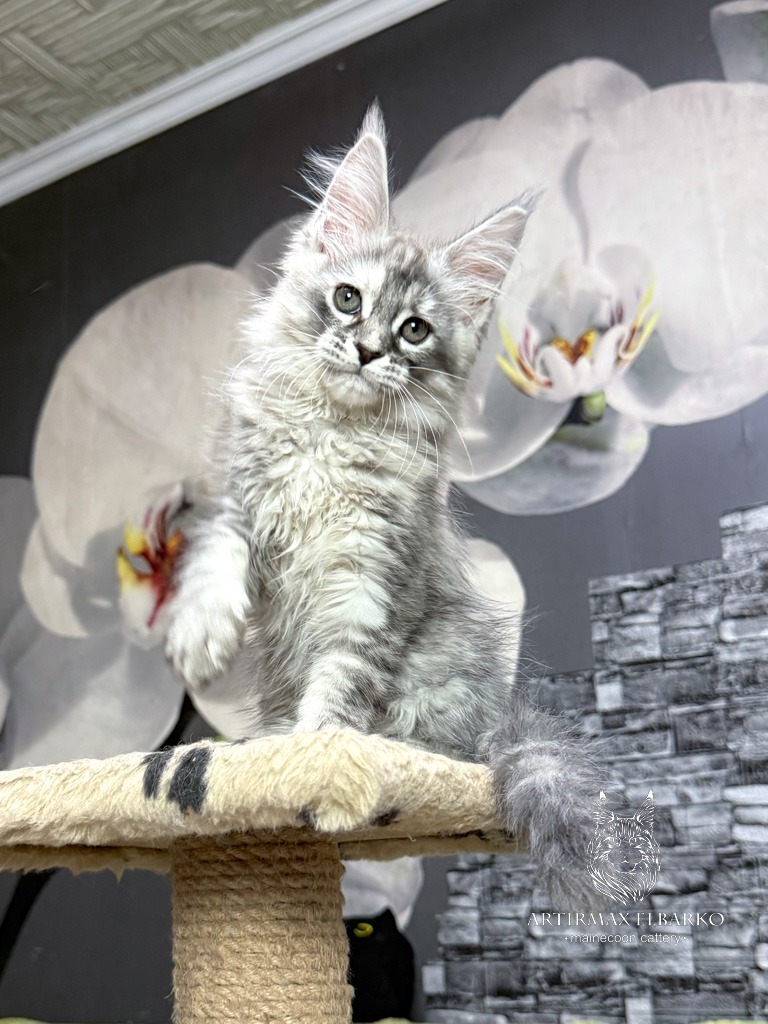
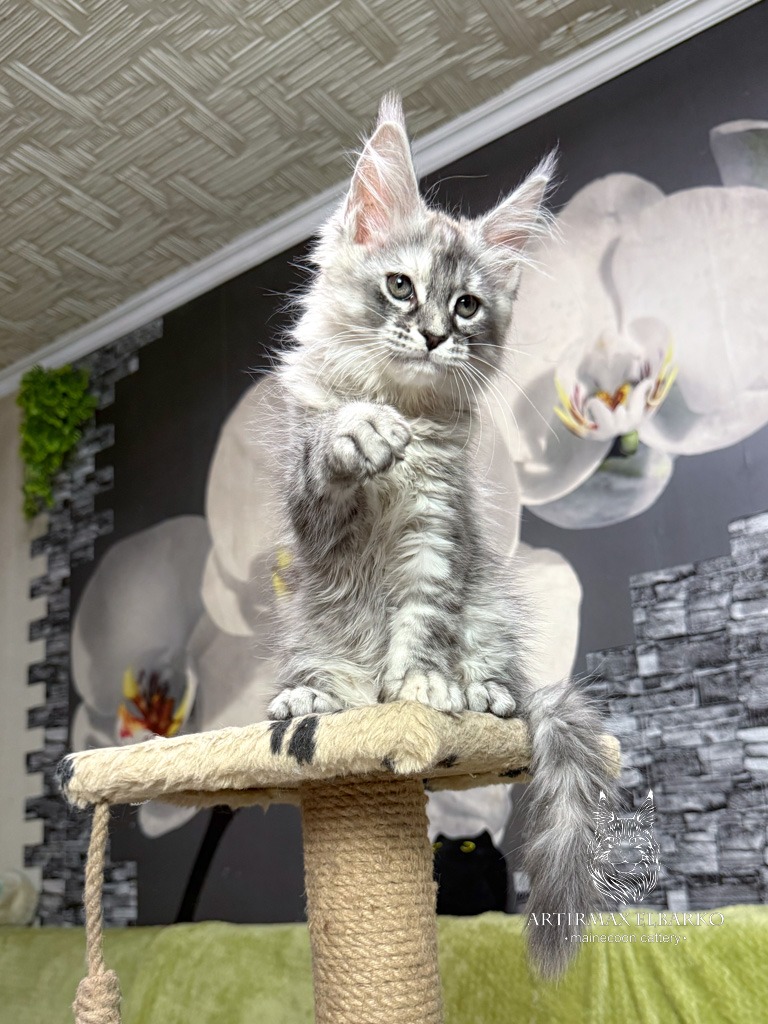
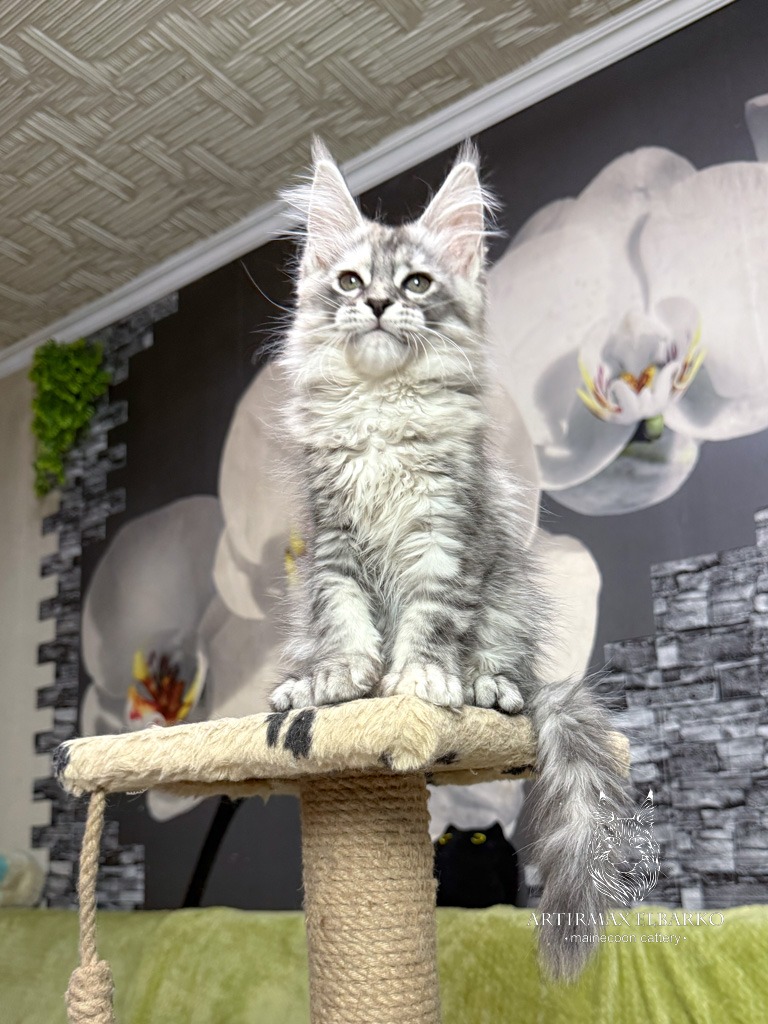
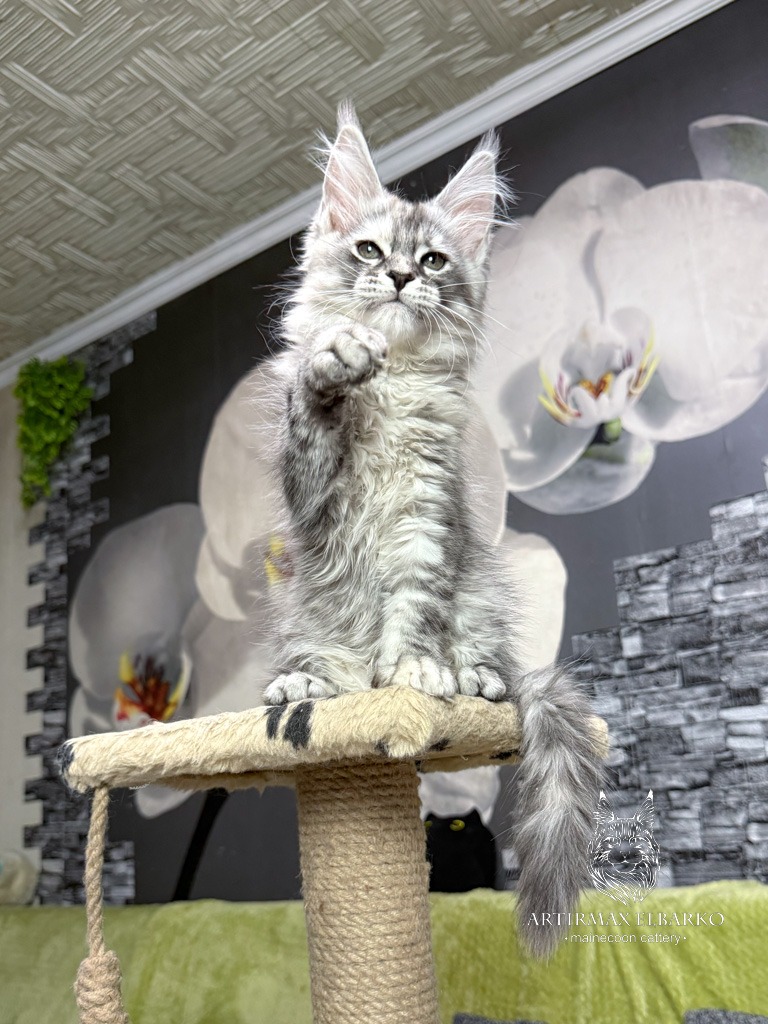
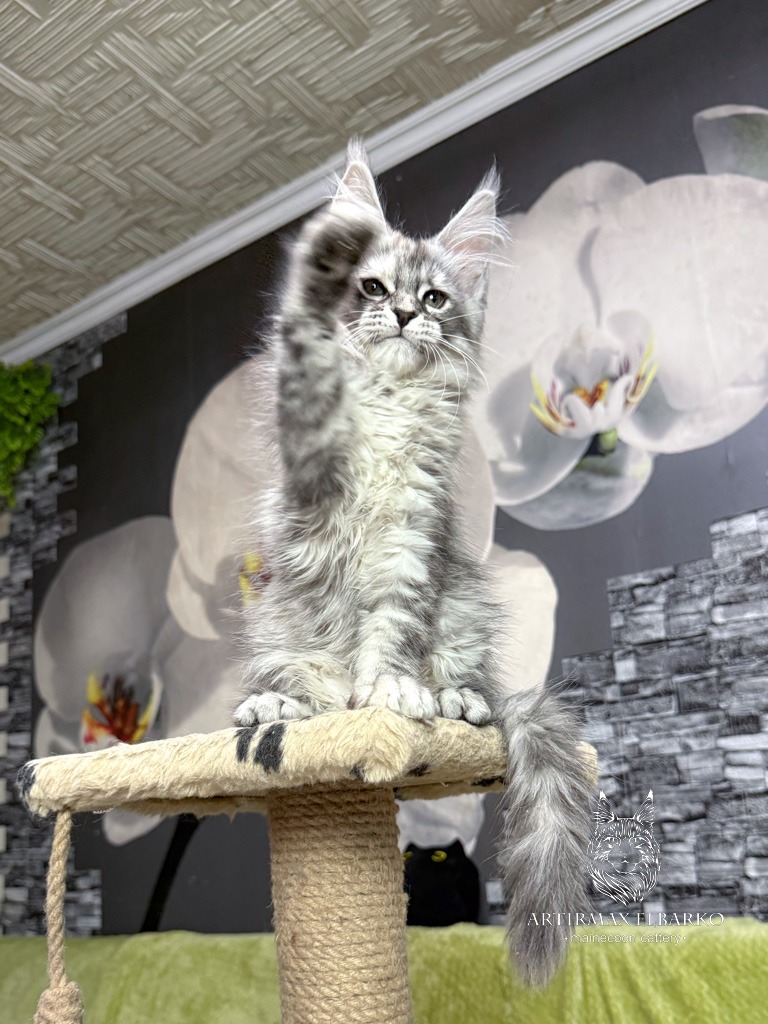
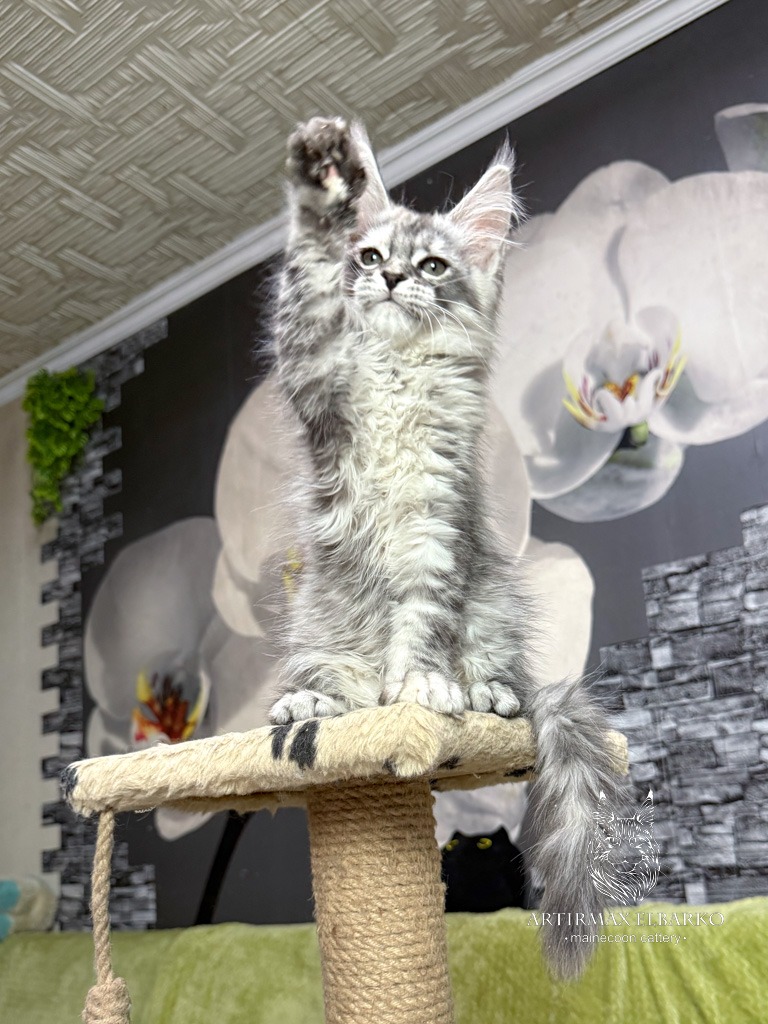
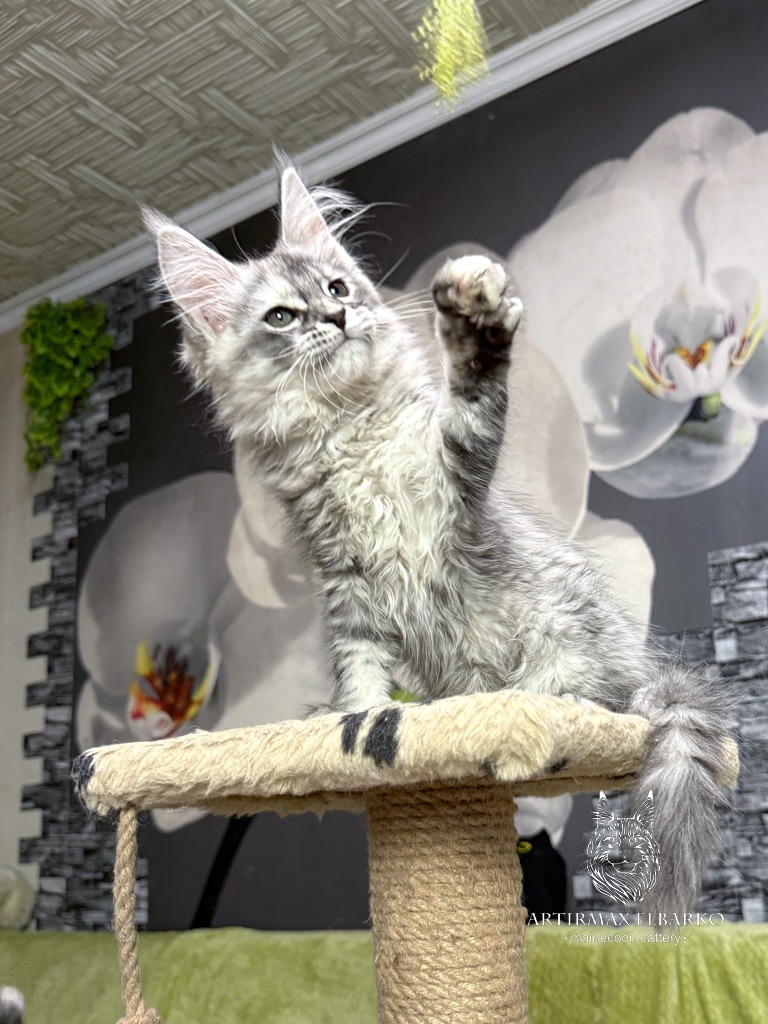
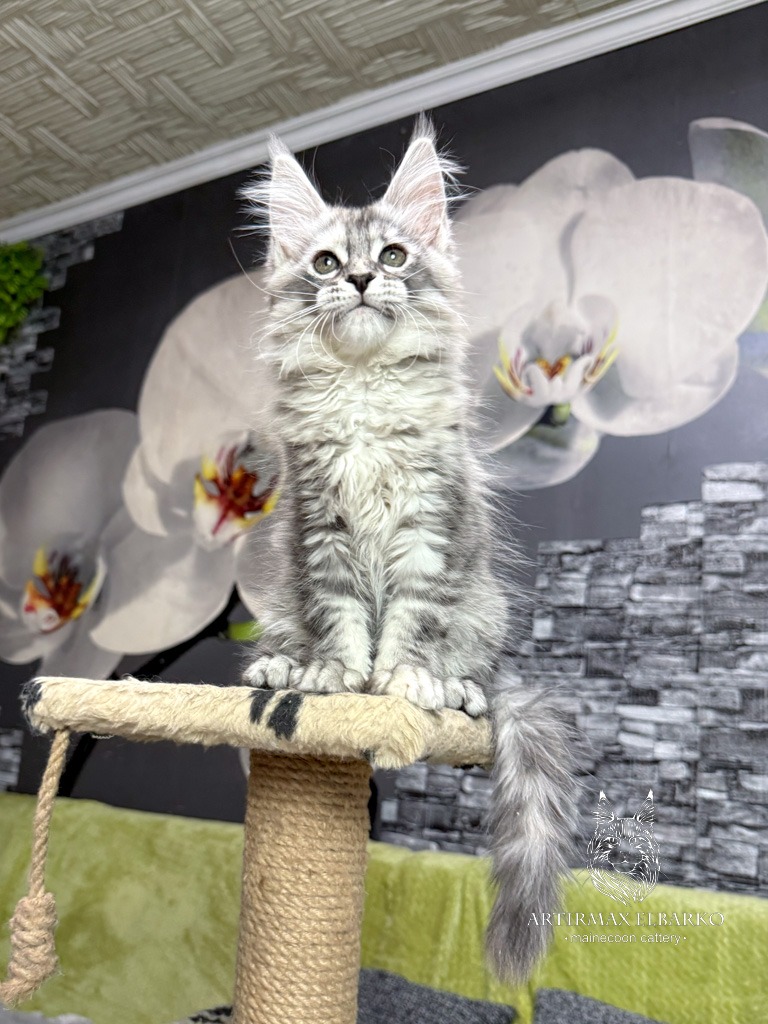
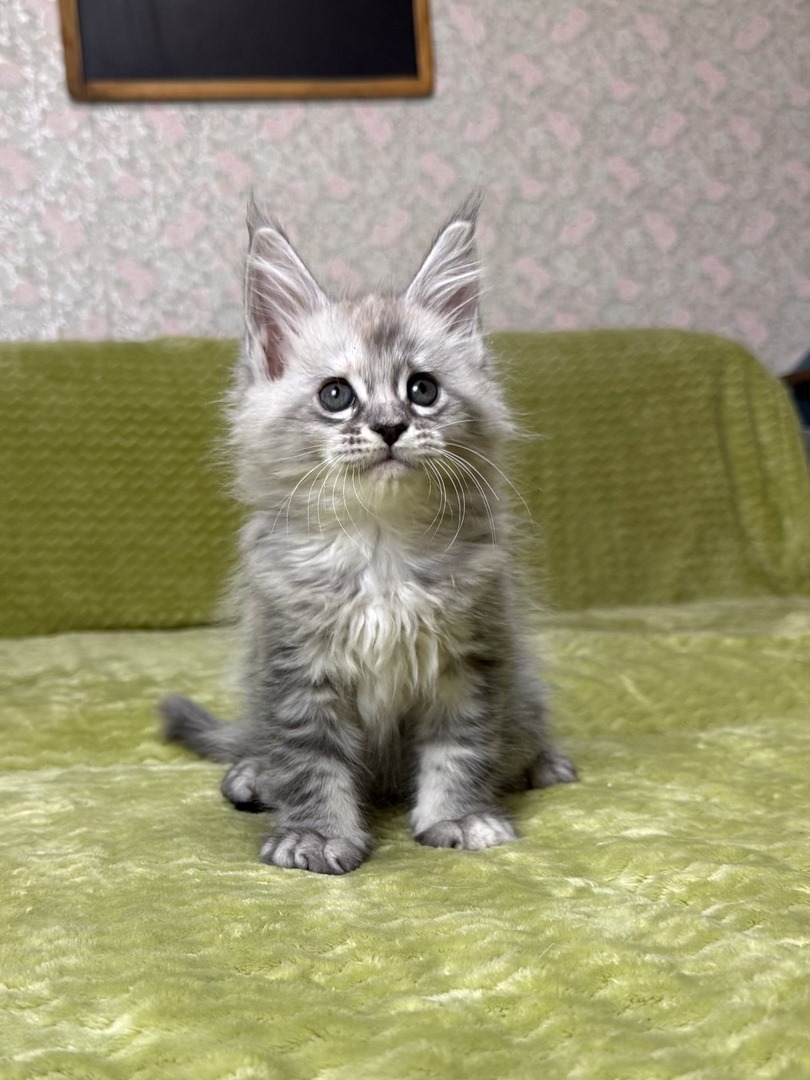
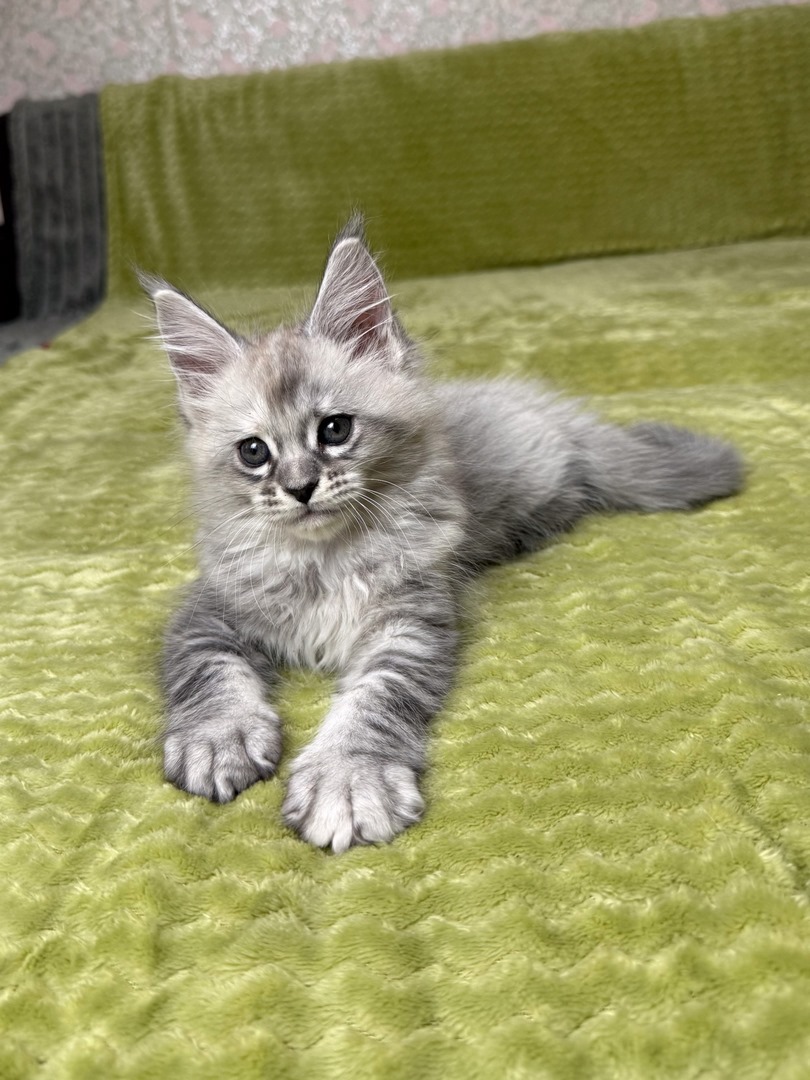
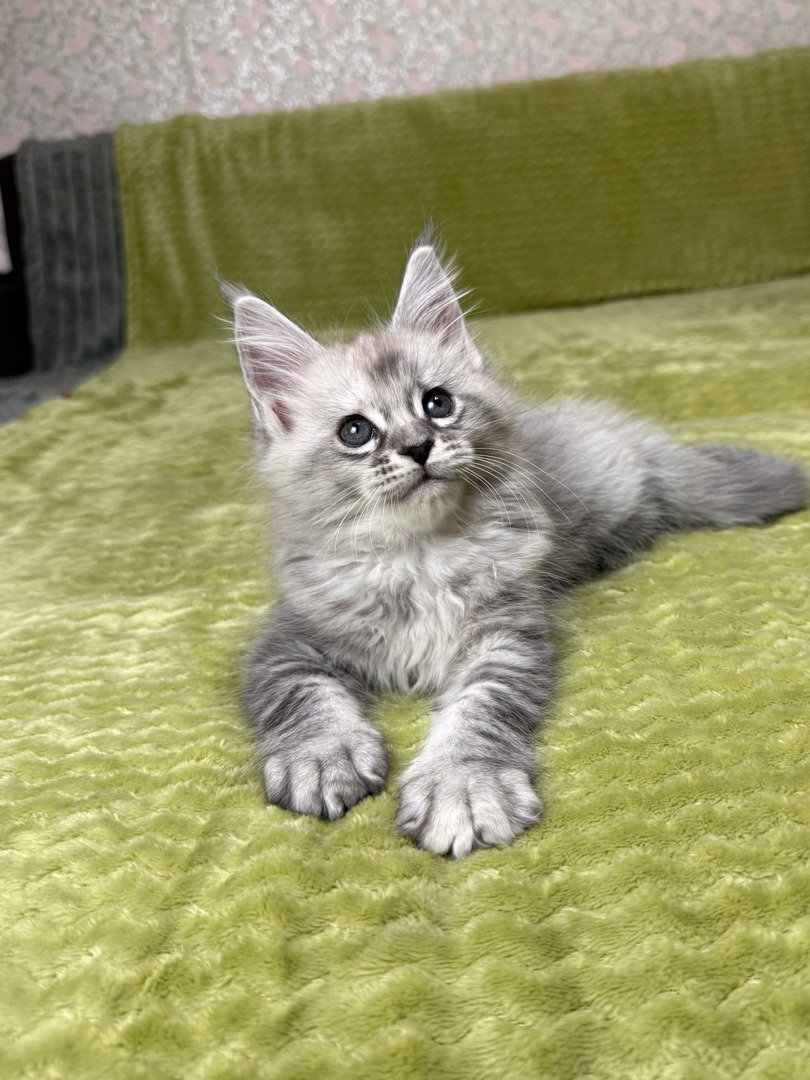
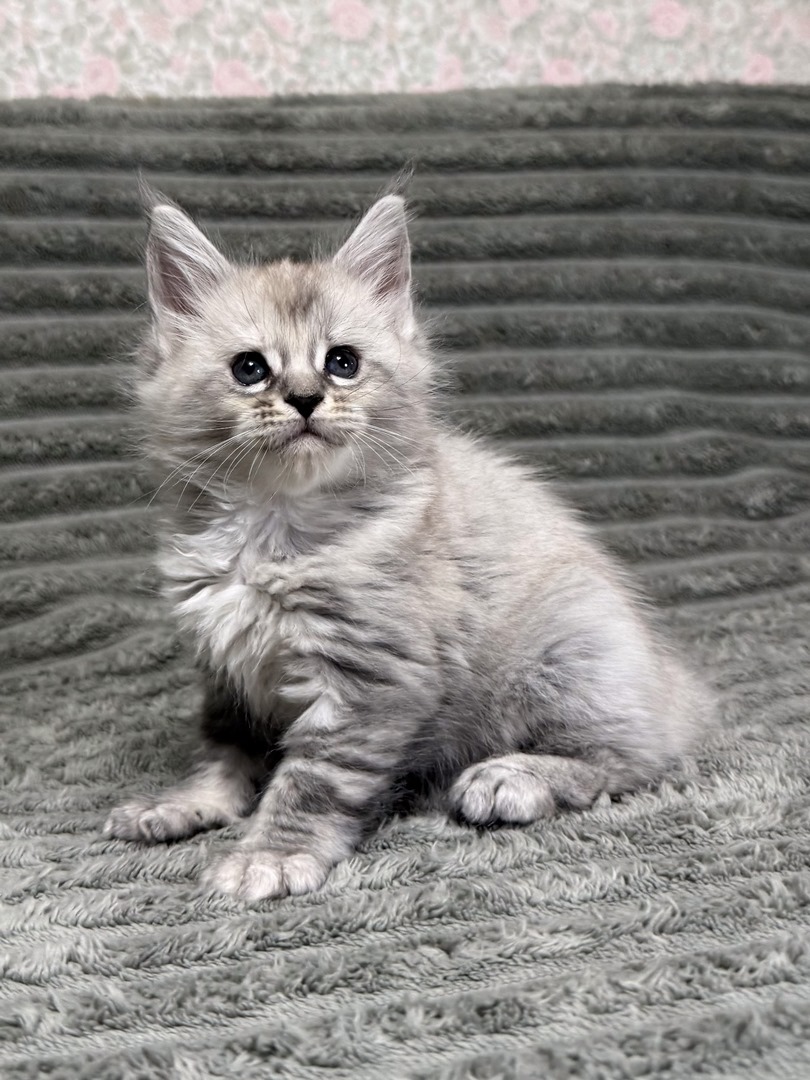
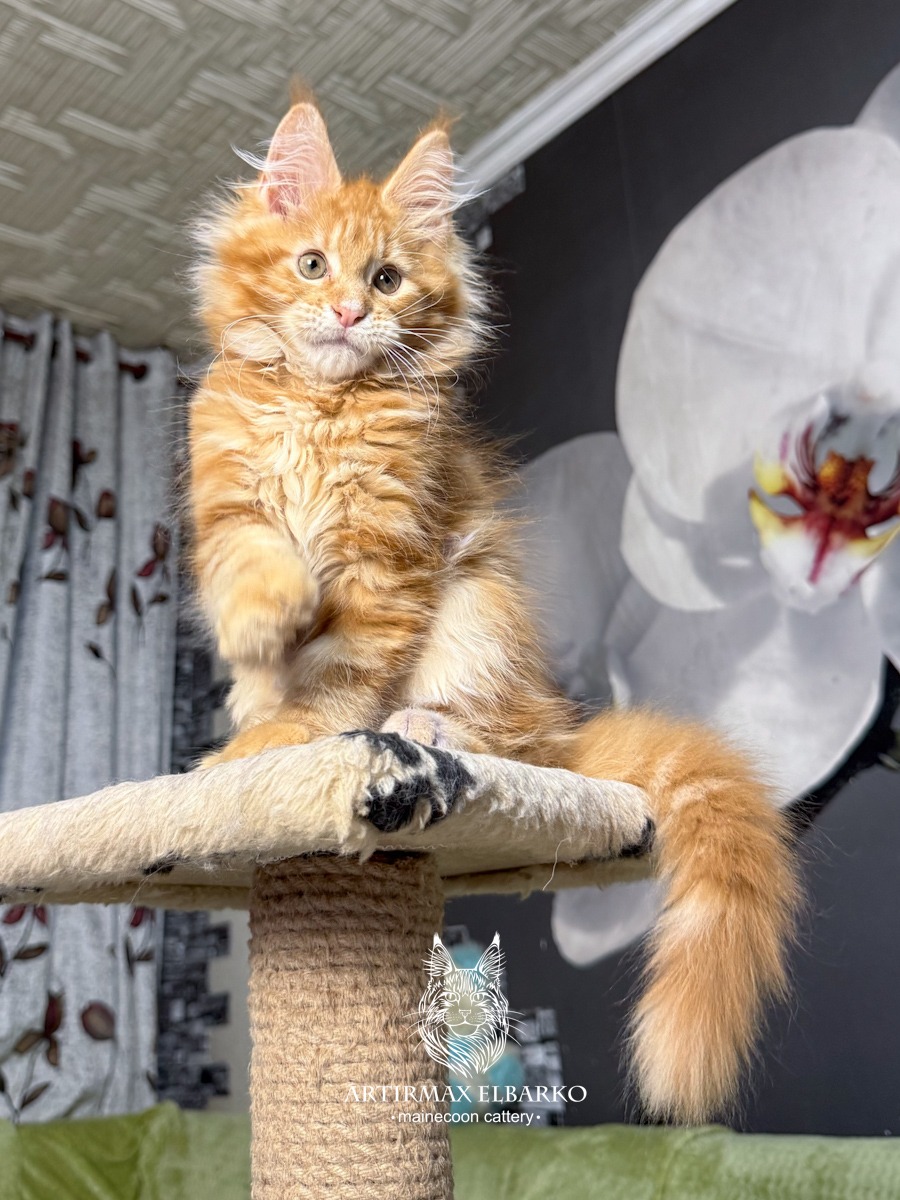
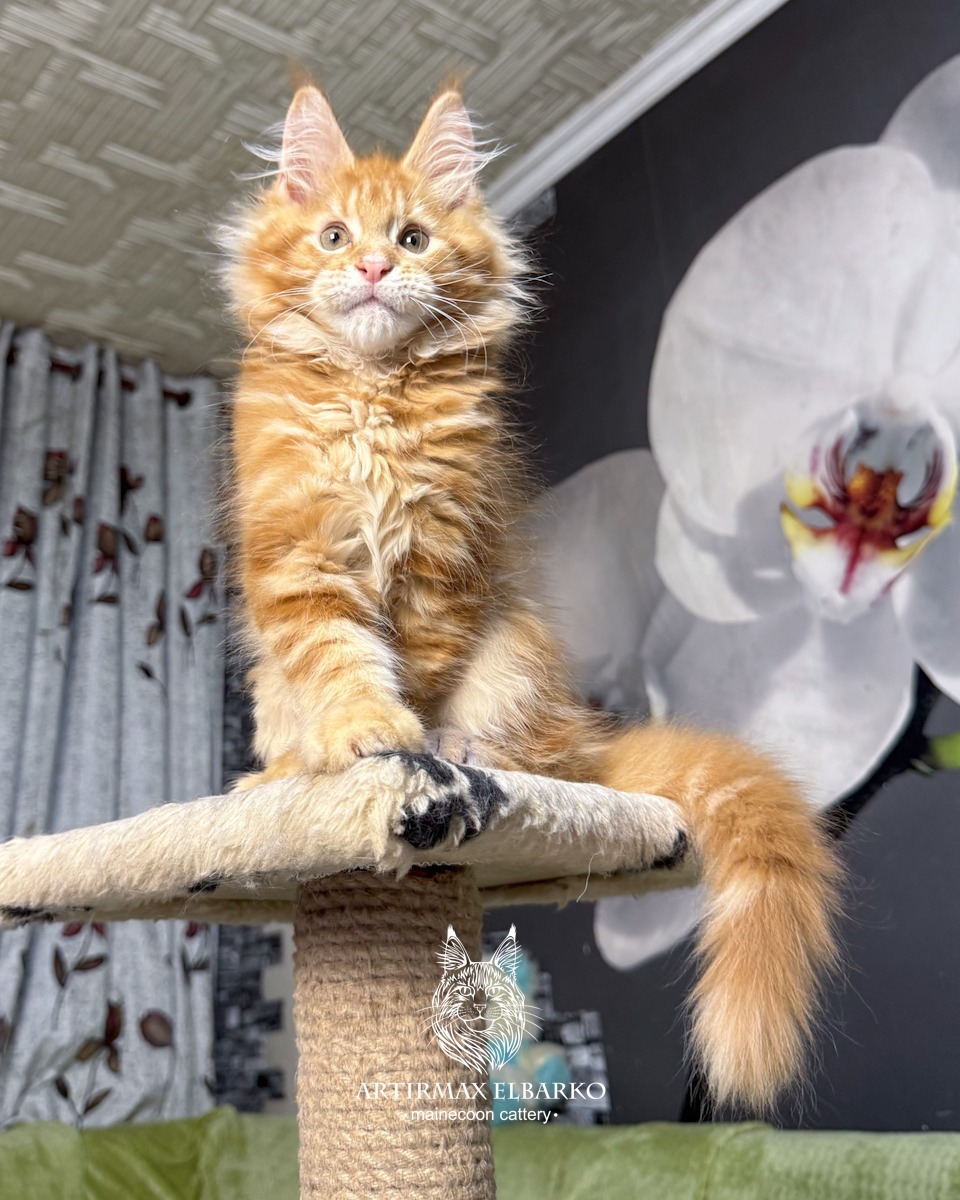
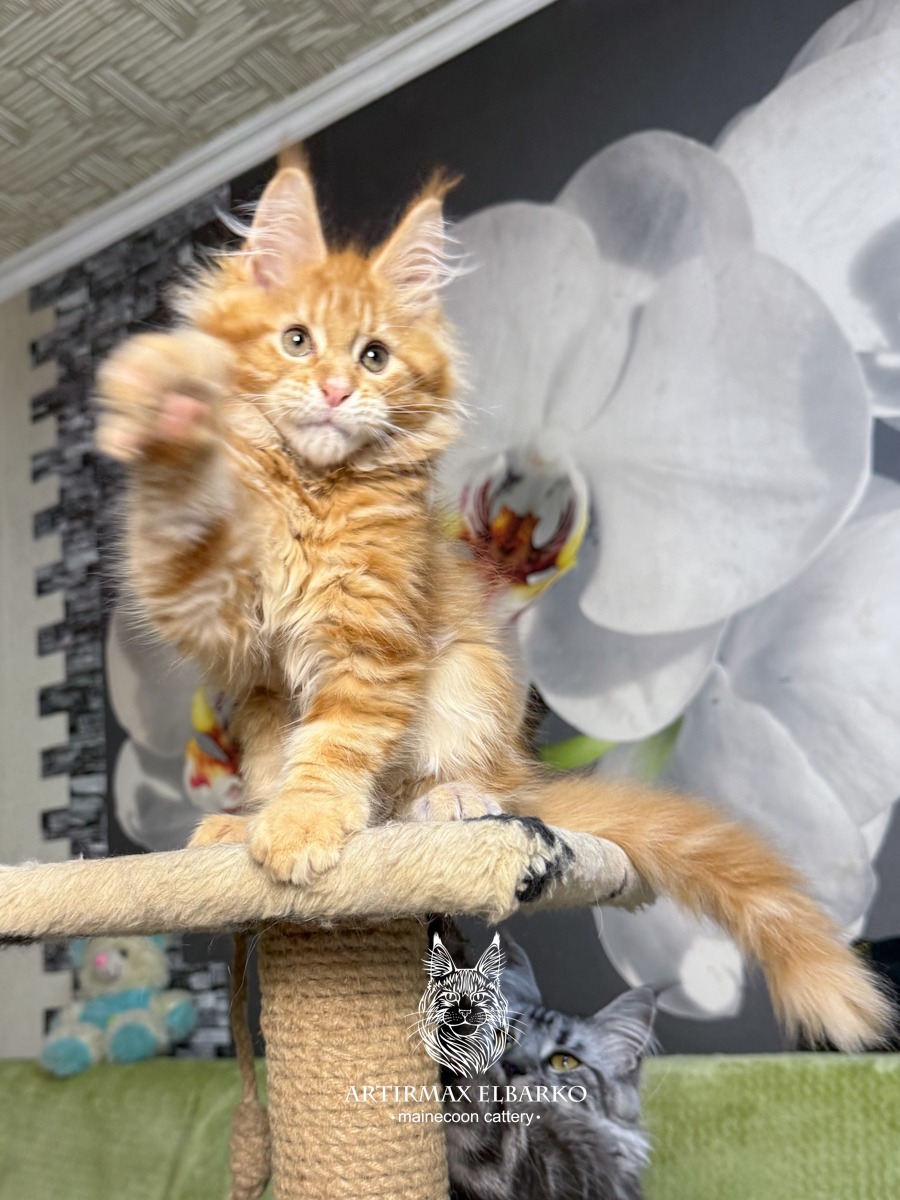
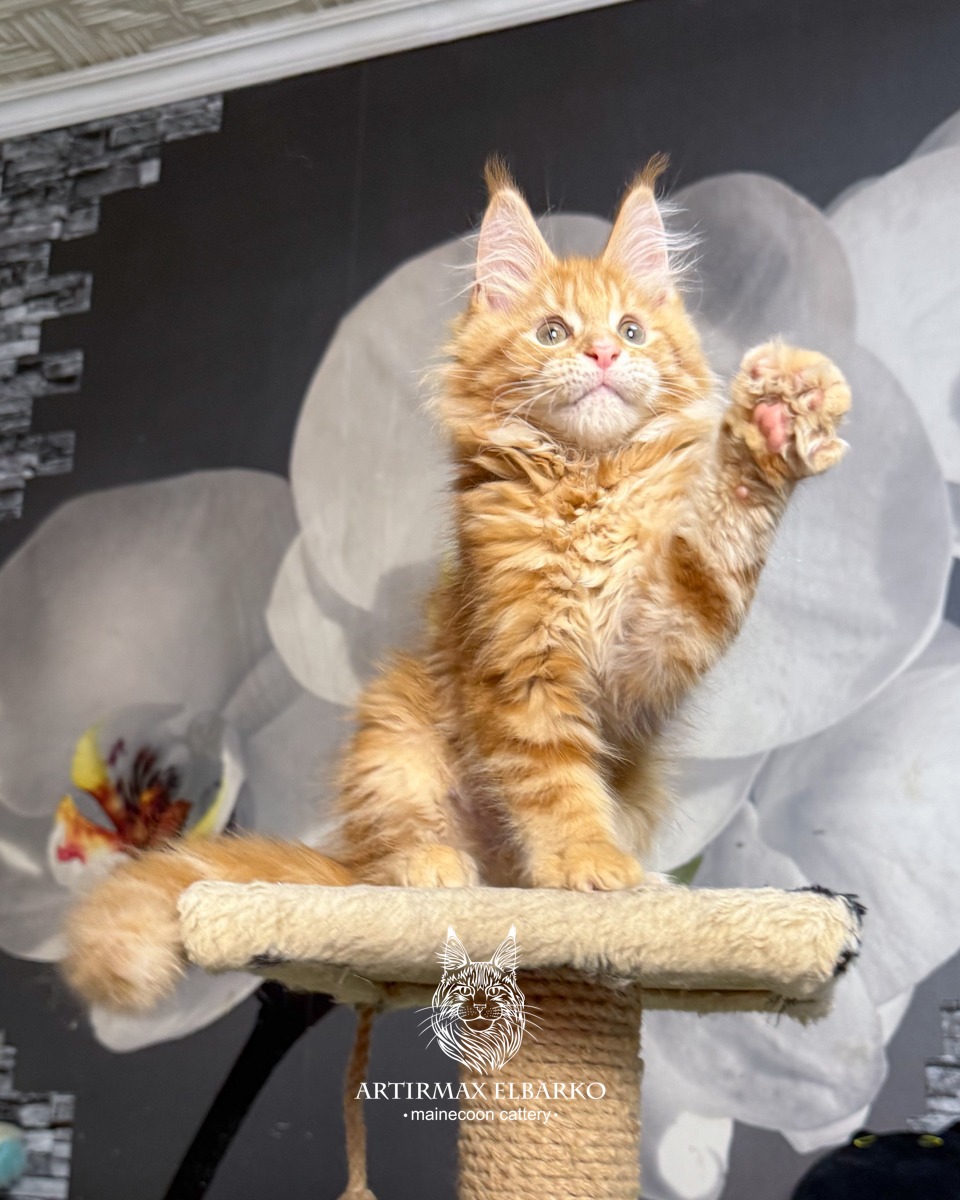
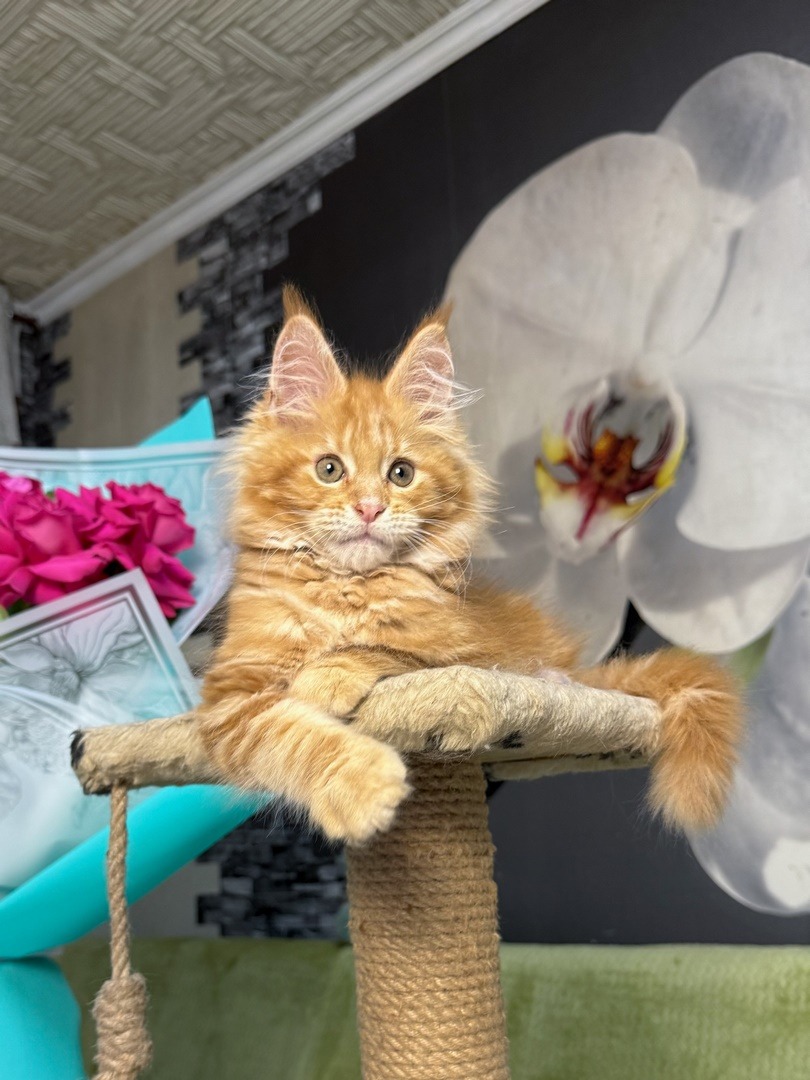
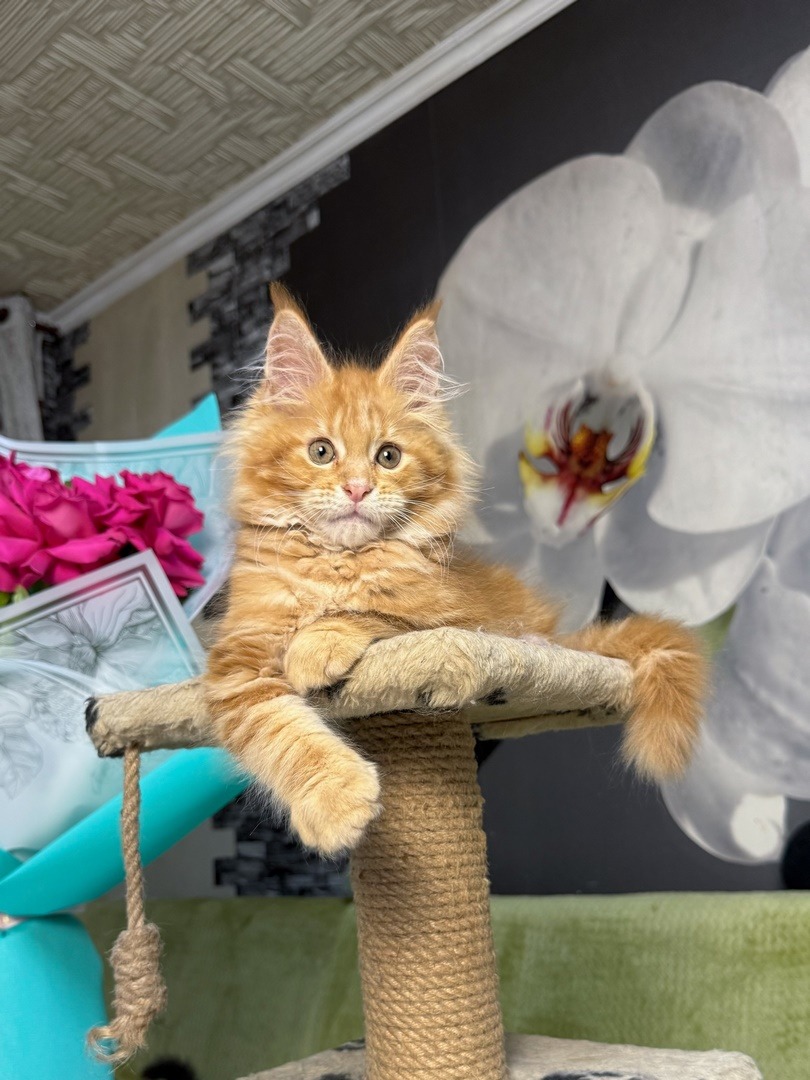
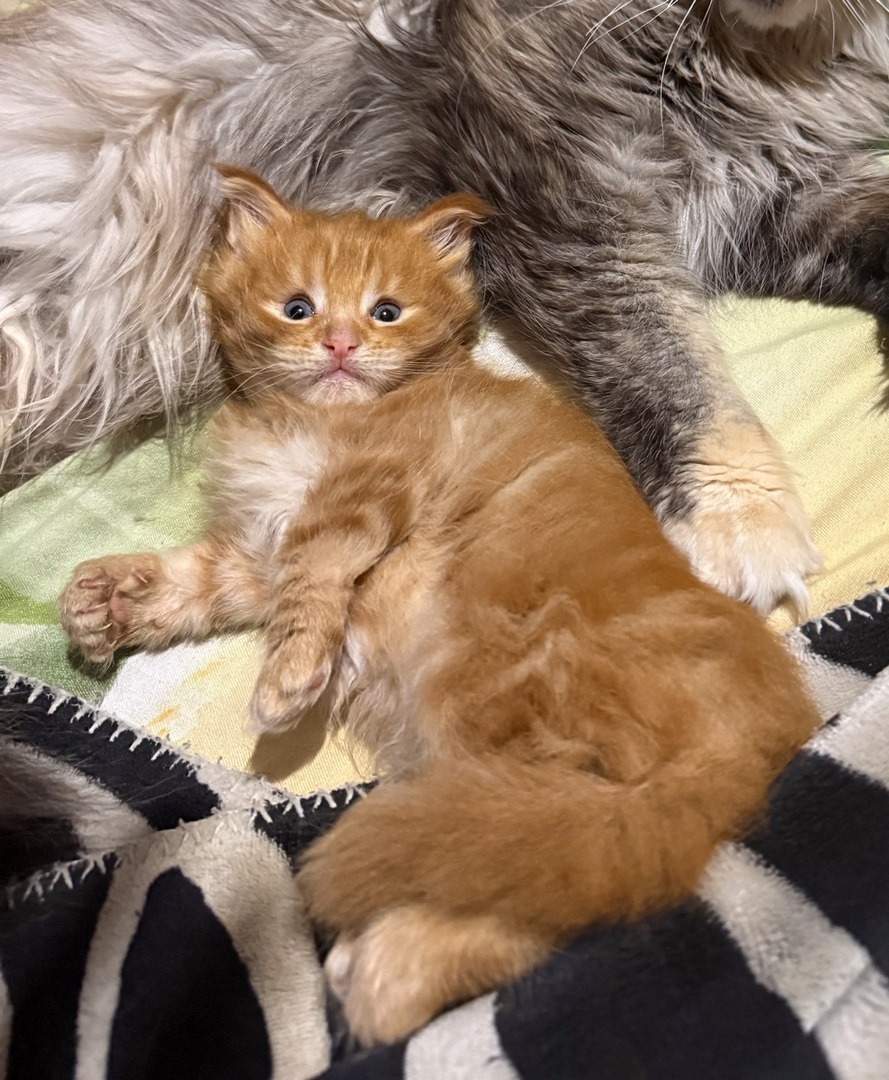
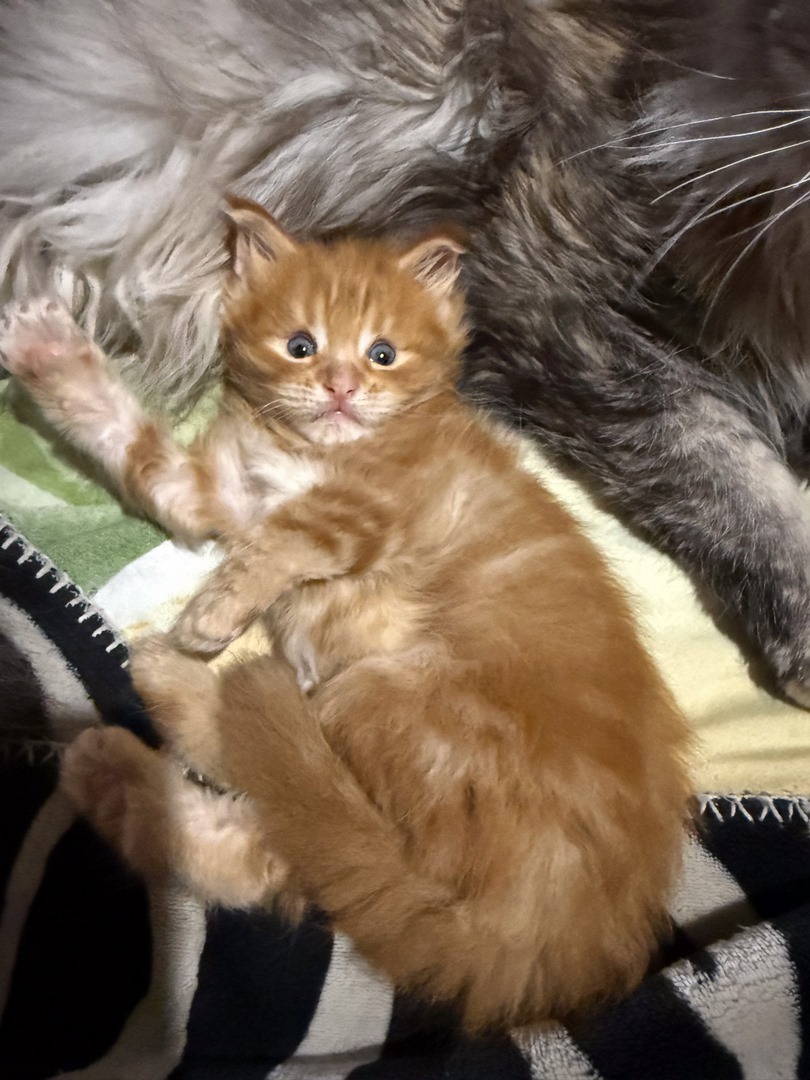
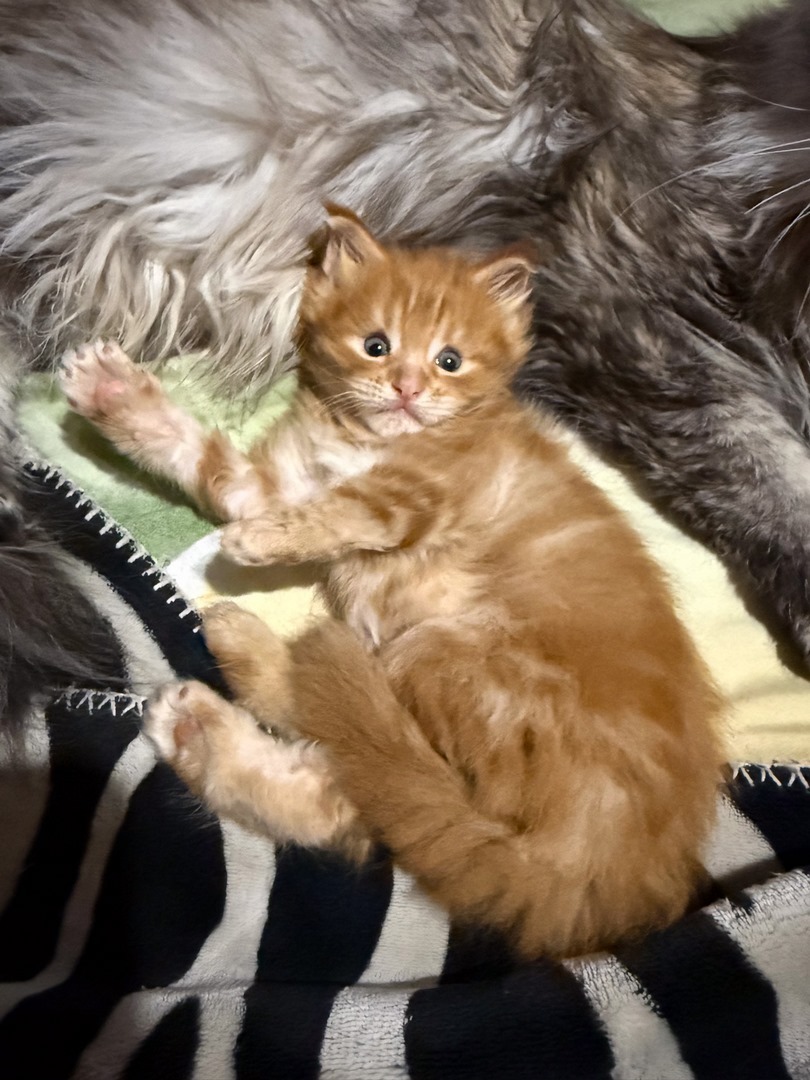
Why Cats Need Whiskers — And Why They Are So Important

Why Cats Need Whiskers — And Why They Are So Important

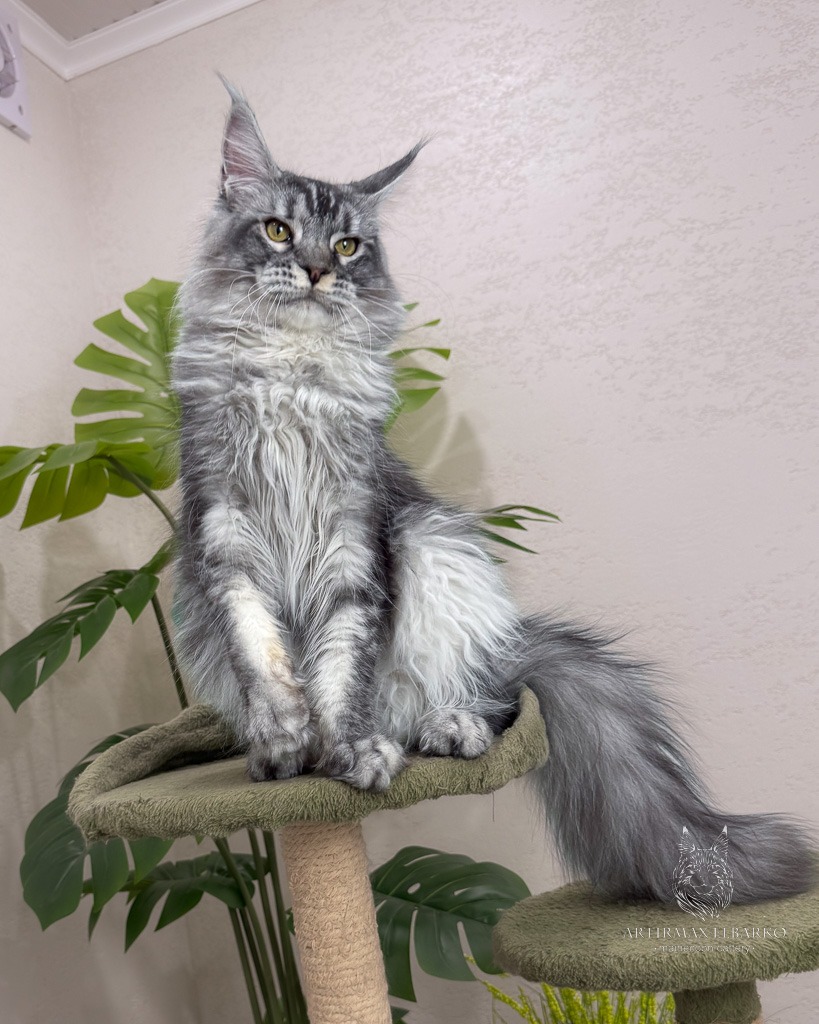
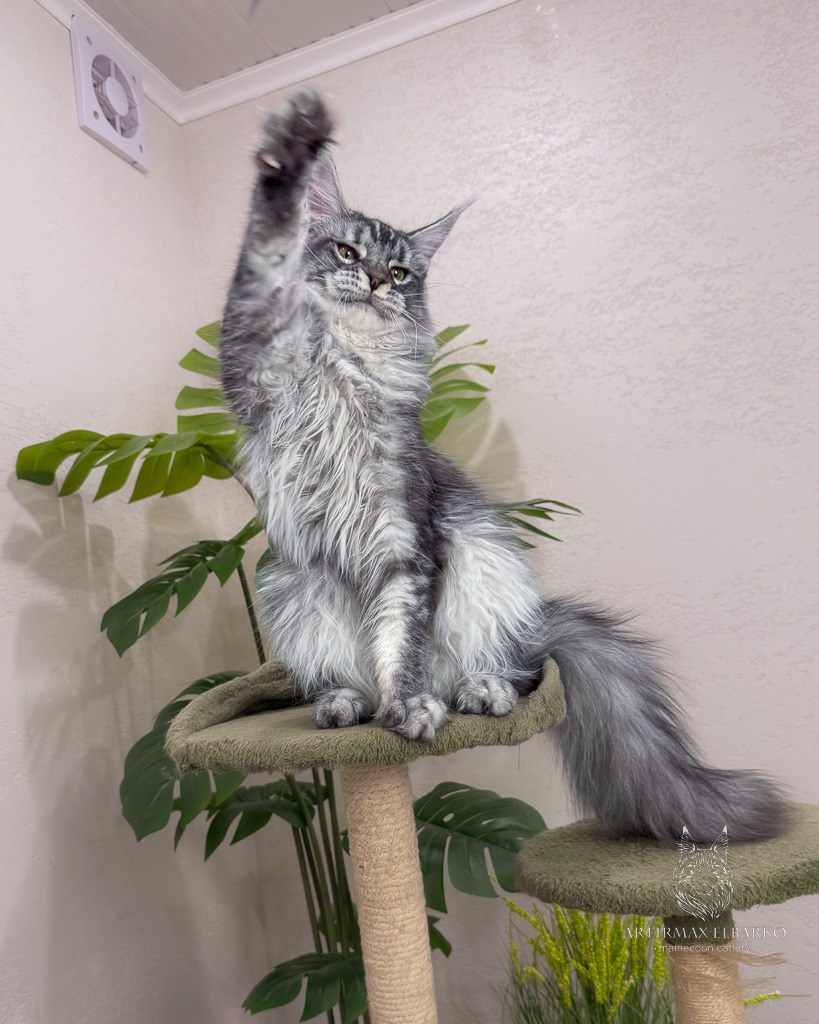
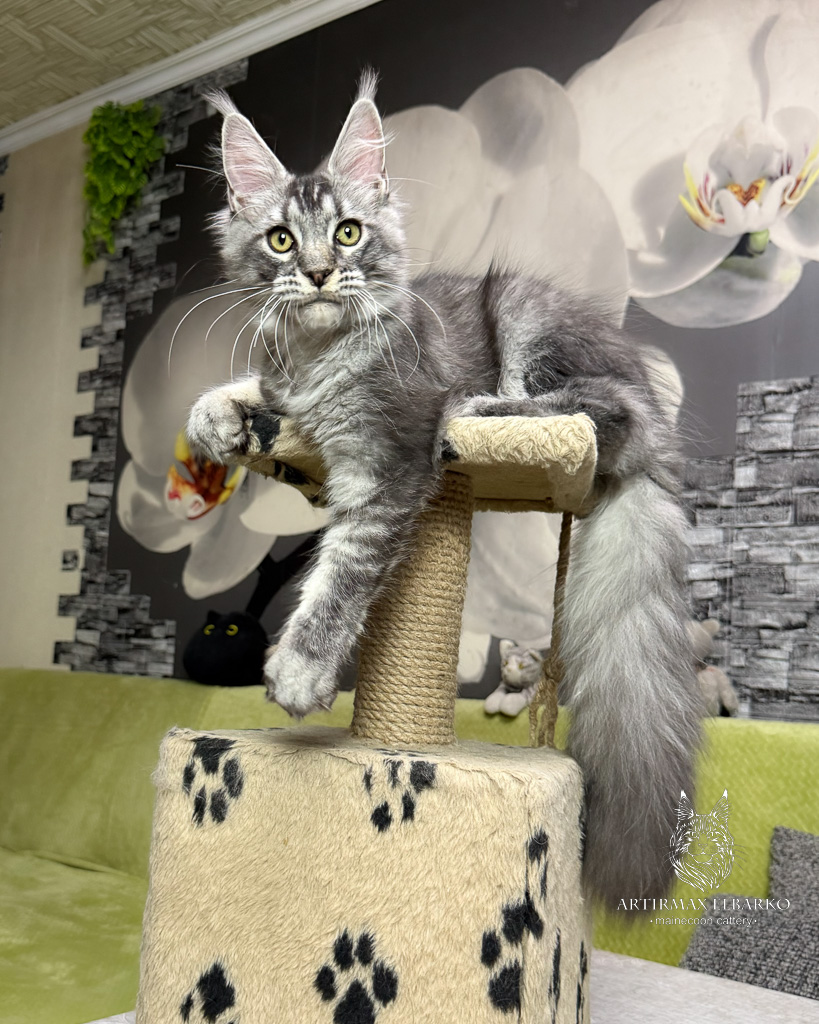
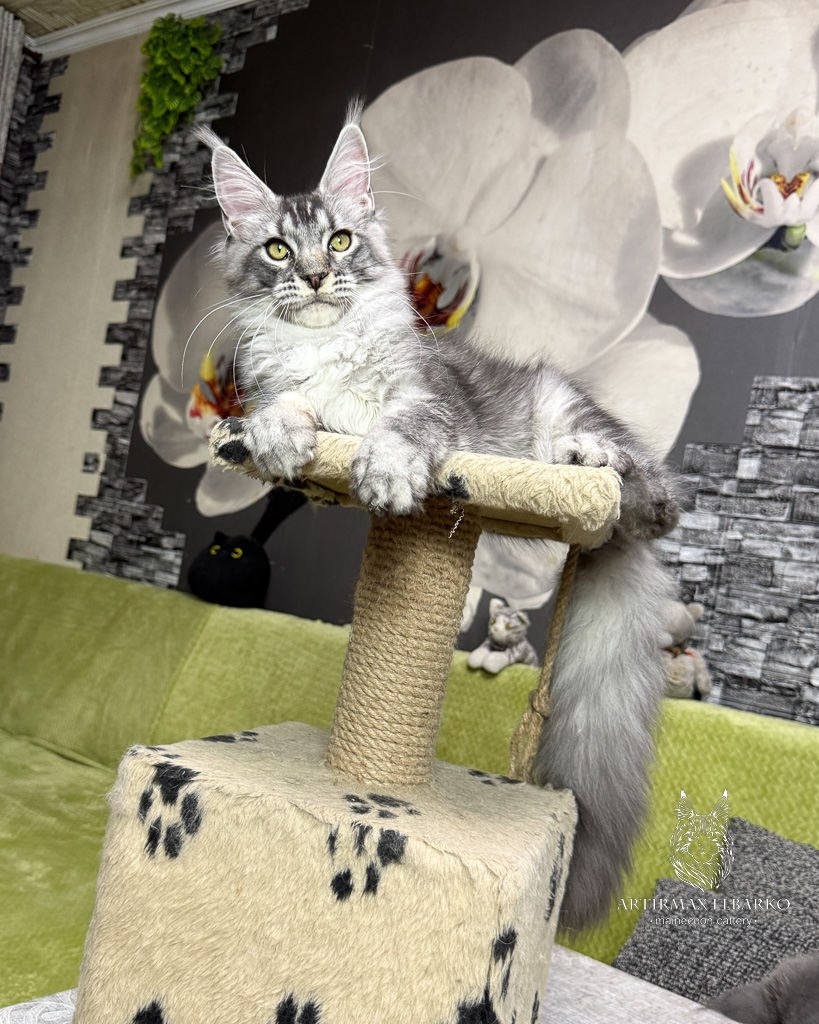
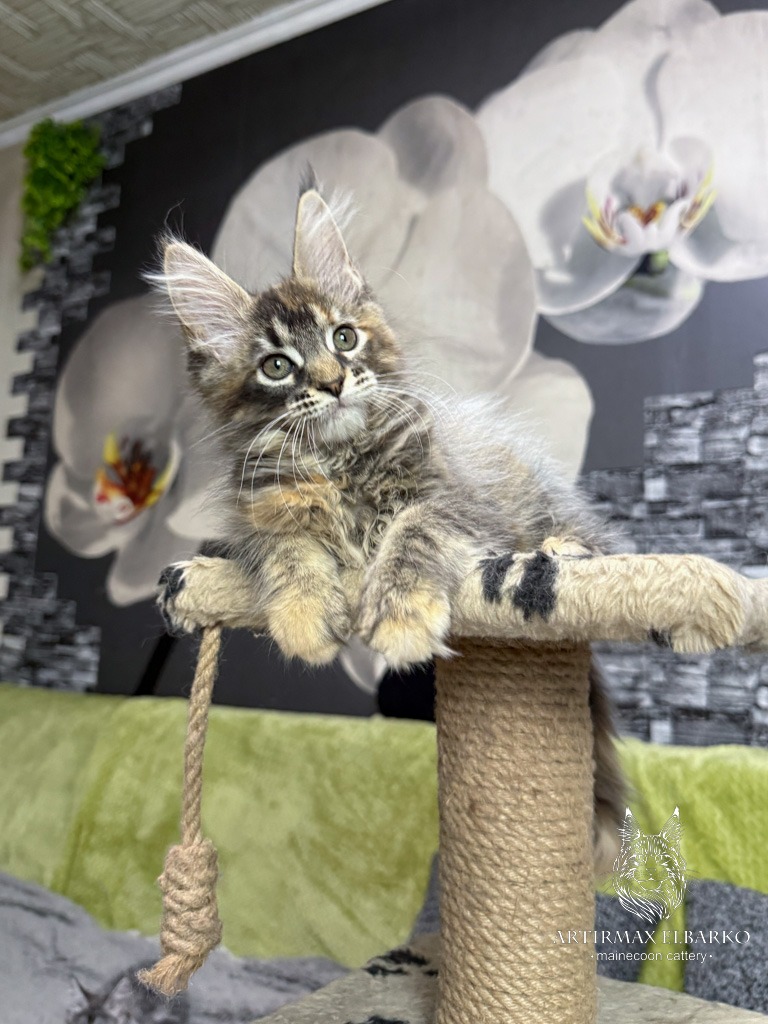
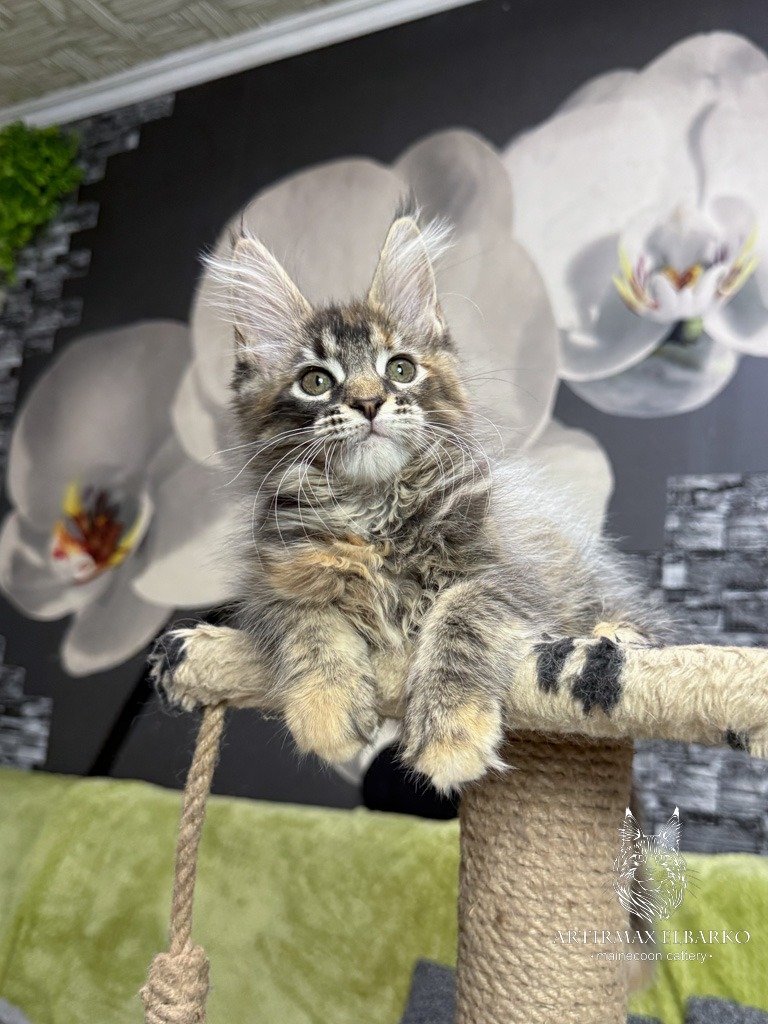
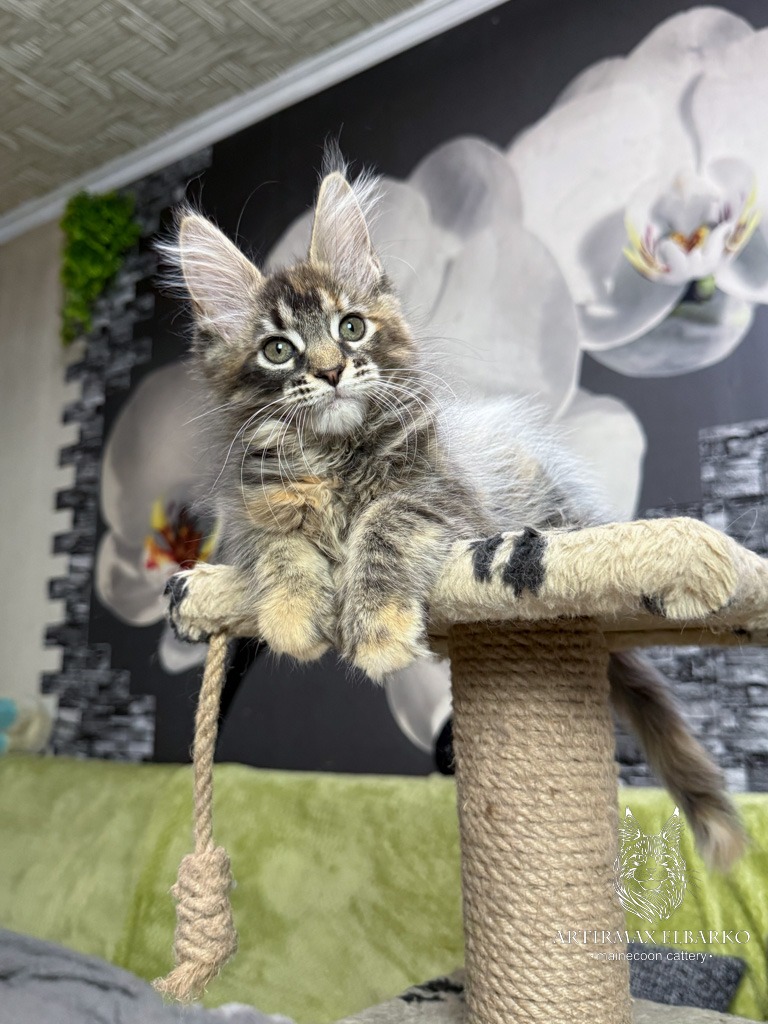
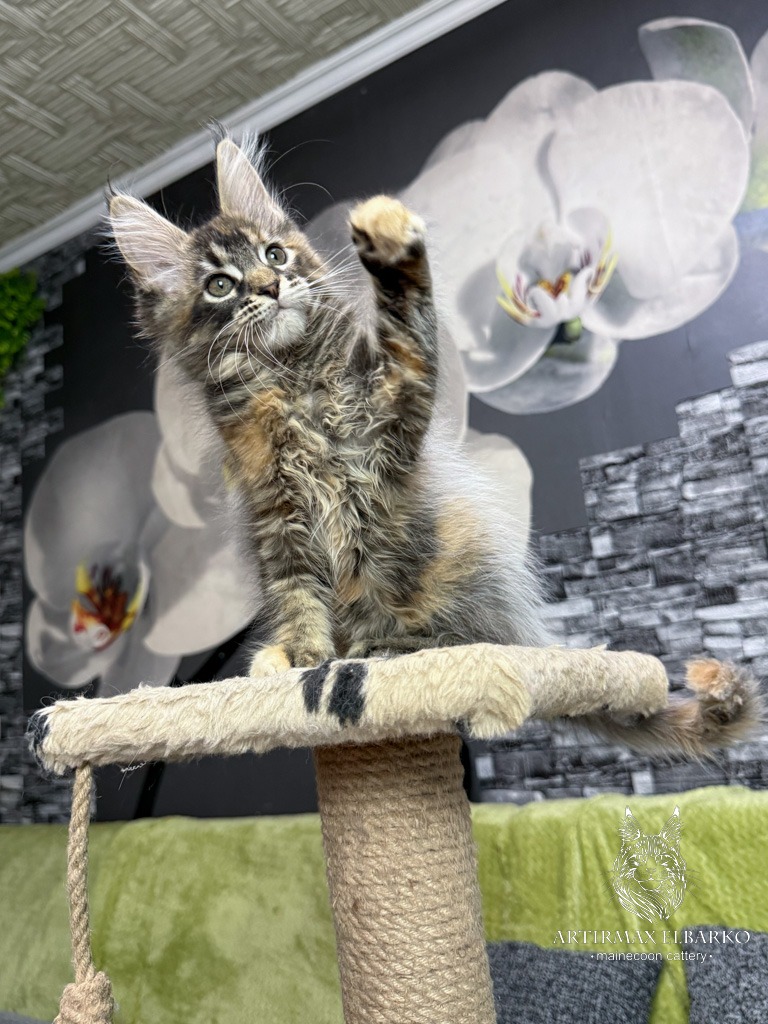
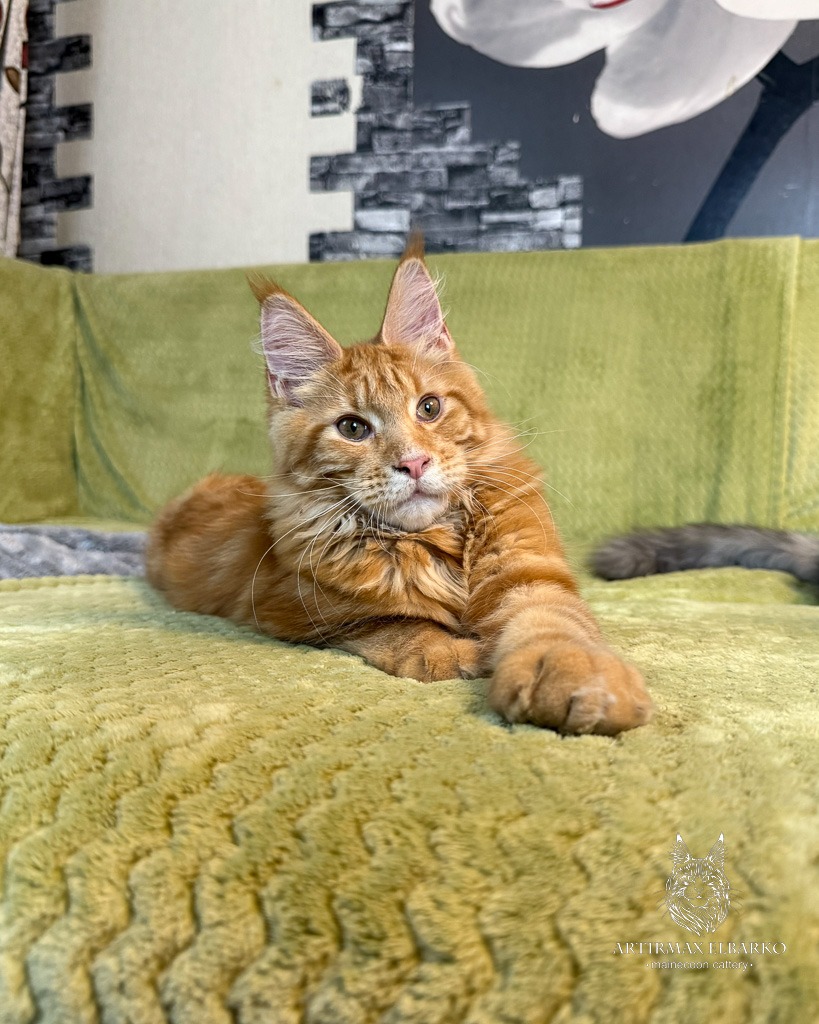
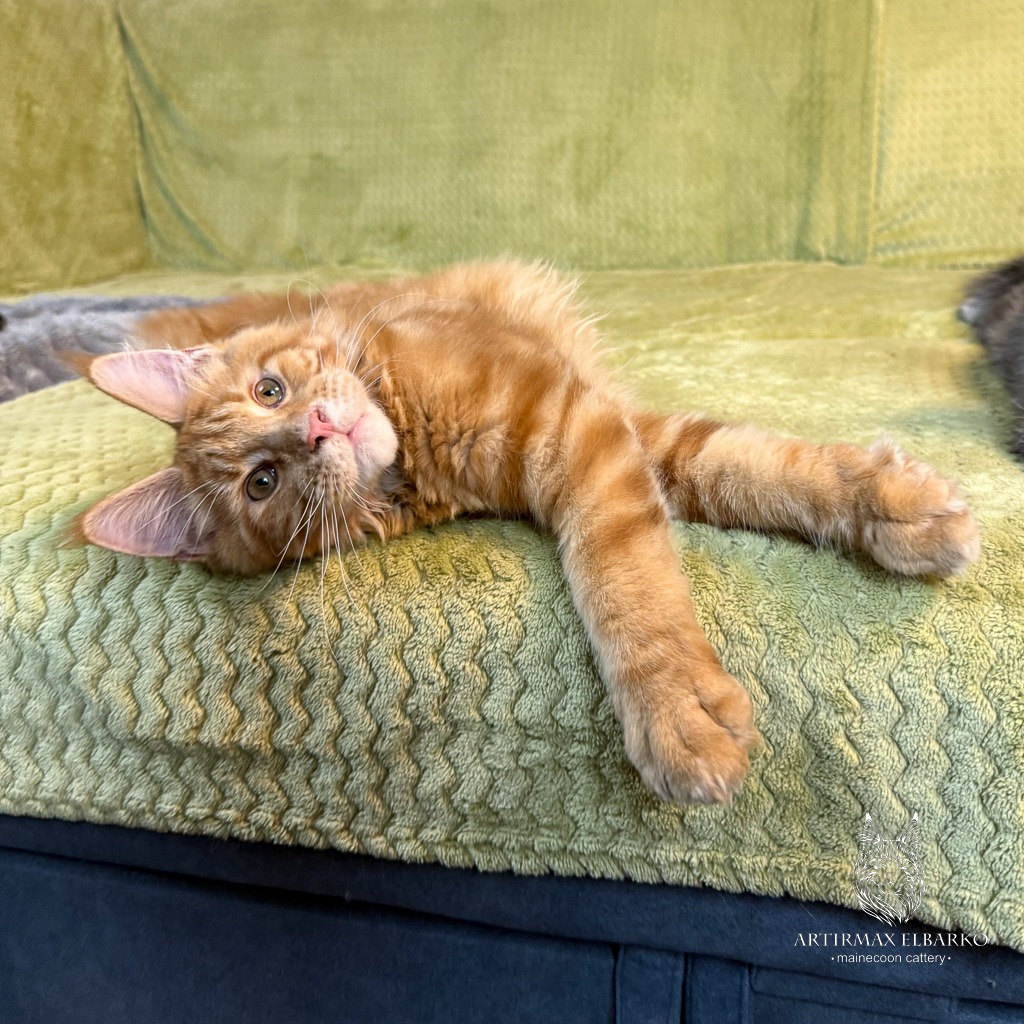
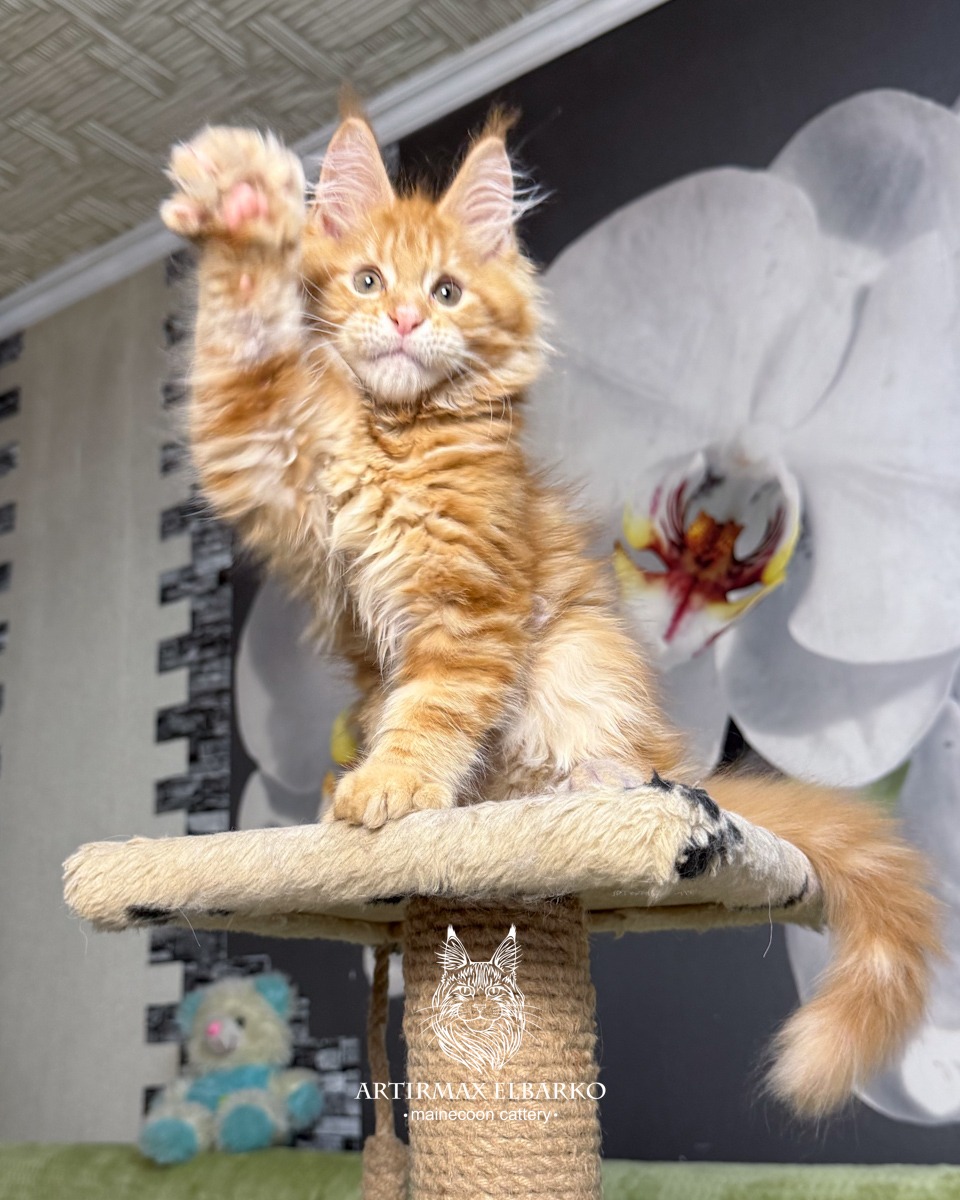
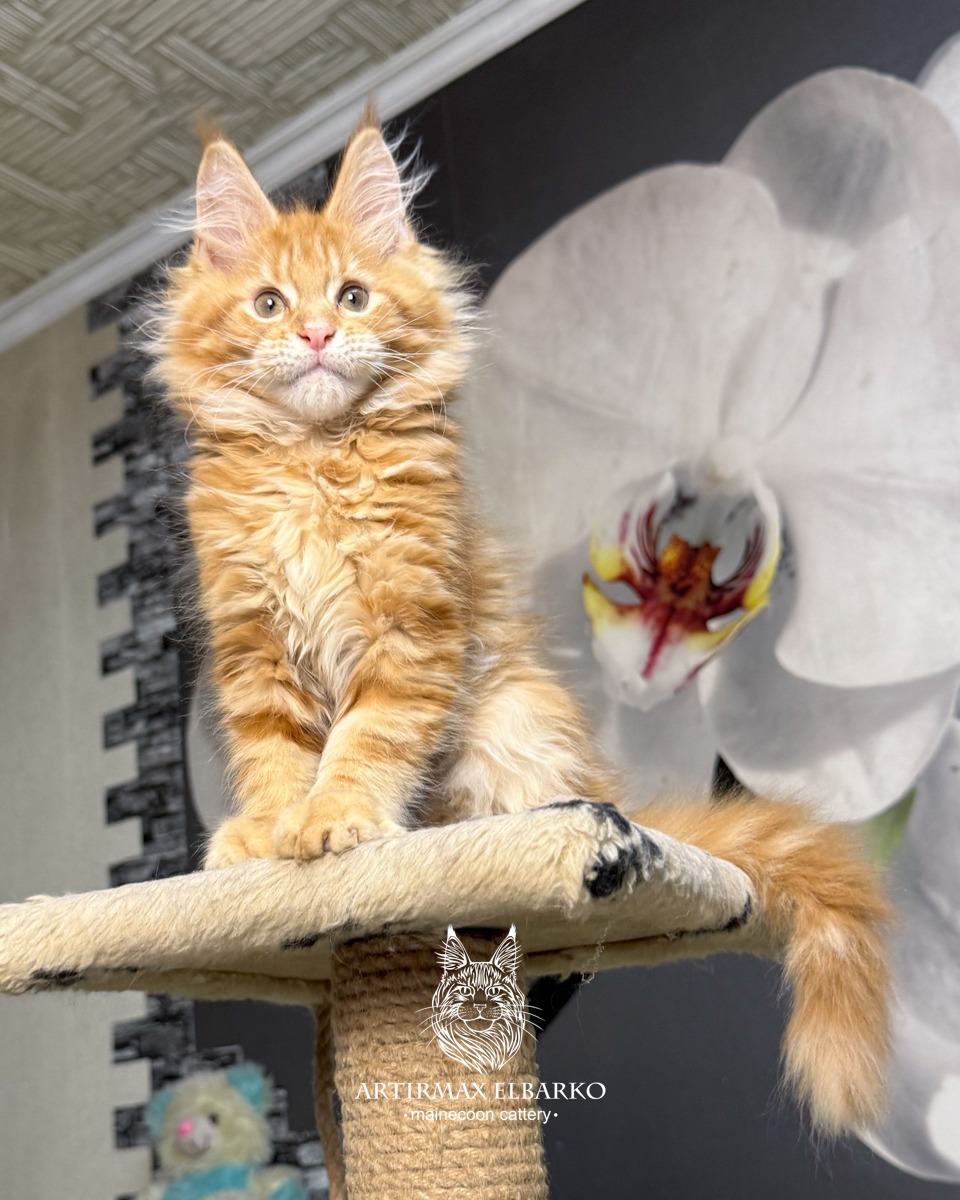
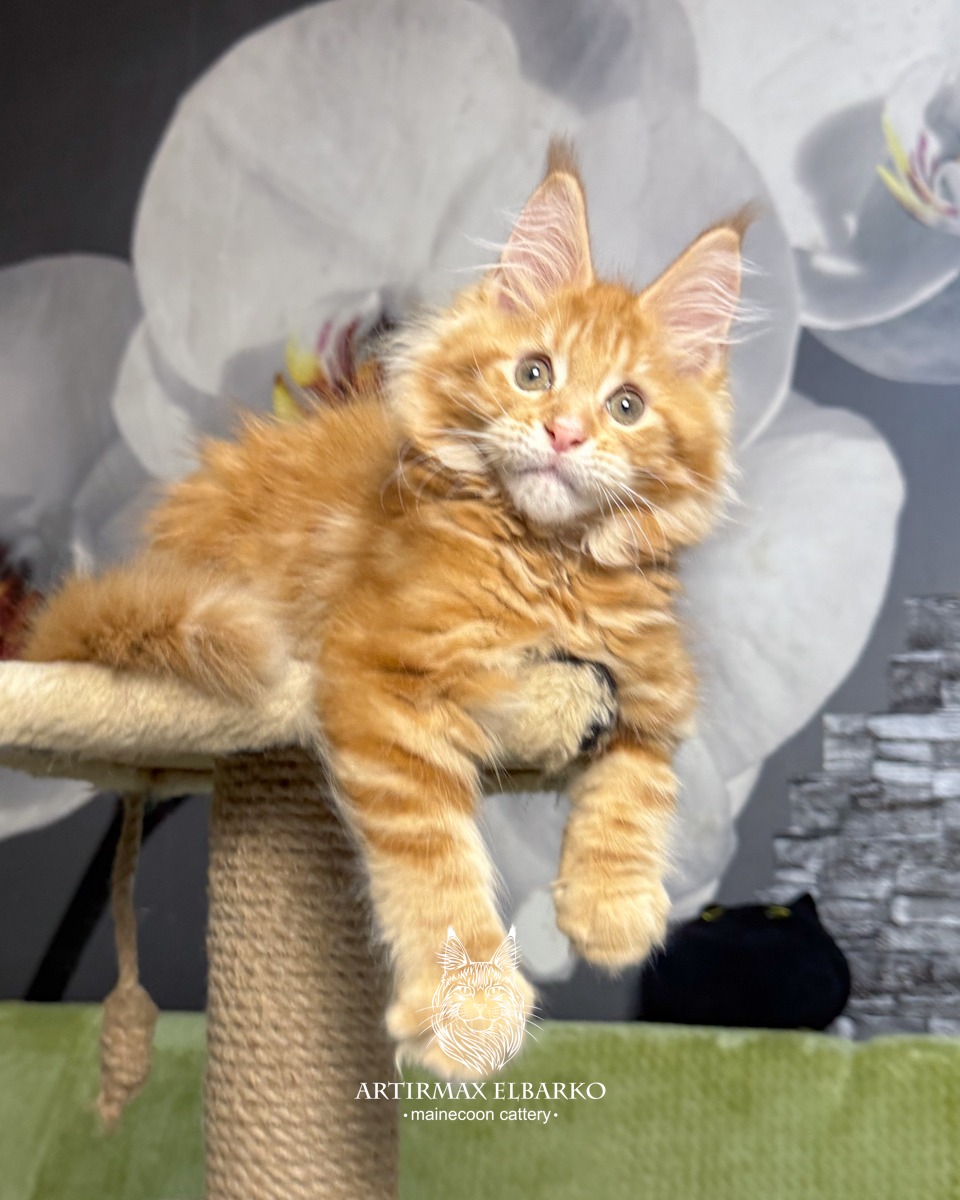
Many people think whiskers are just part of a cat’s appearance — something decorative and cute. But in reality, whiskers are one of the most important sensory tools a cat has.

A cat does not simply see the world — it feels it. At the same time, whiskers do not replace vision, but work together with it. A cat sees very well, especially in low light, and its eyes are adapted to detect movement. However, vision alone is not enough for precise navigation and hunting.

How Cats Perceive Space

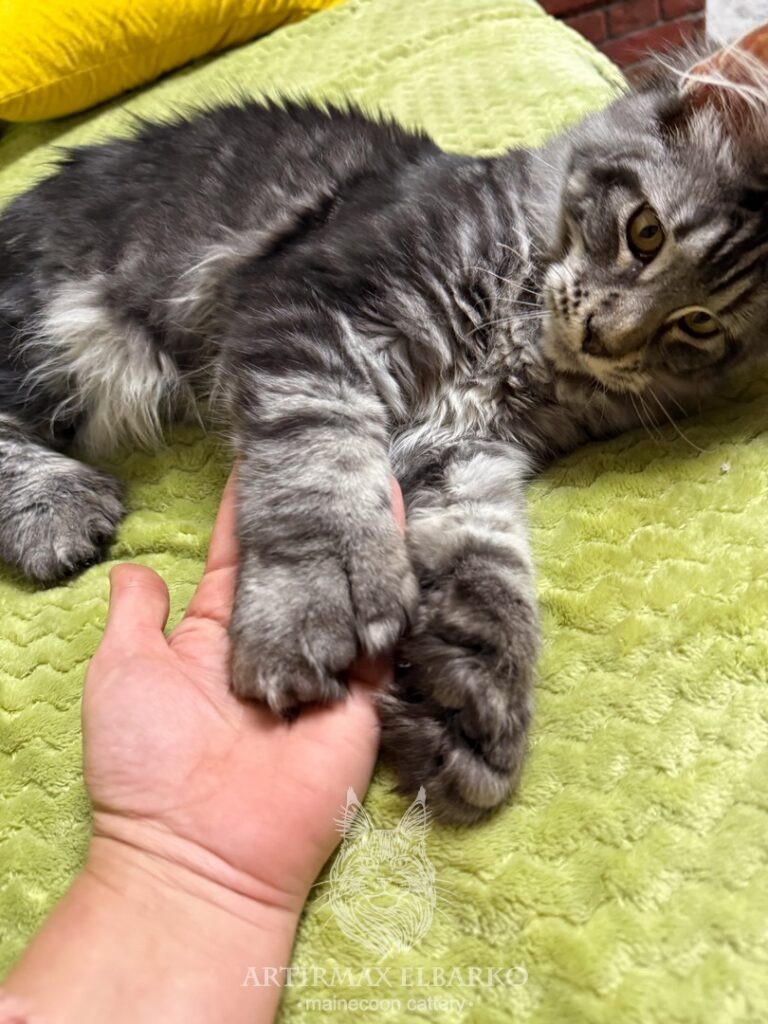
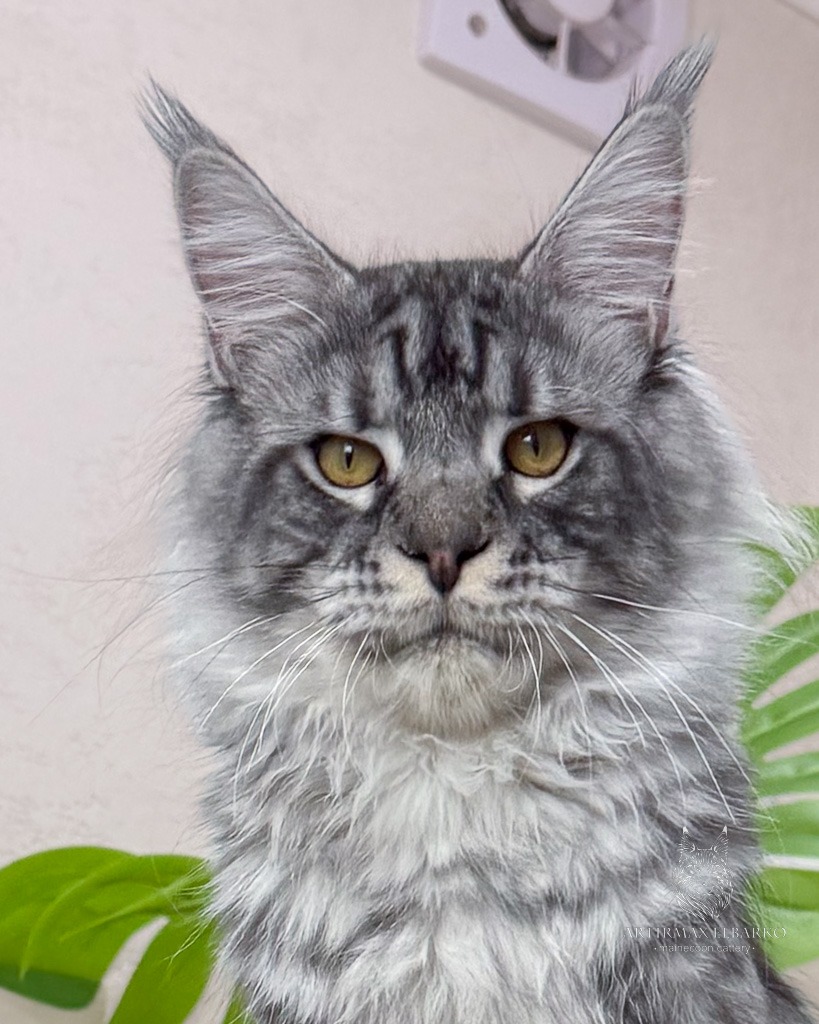
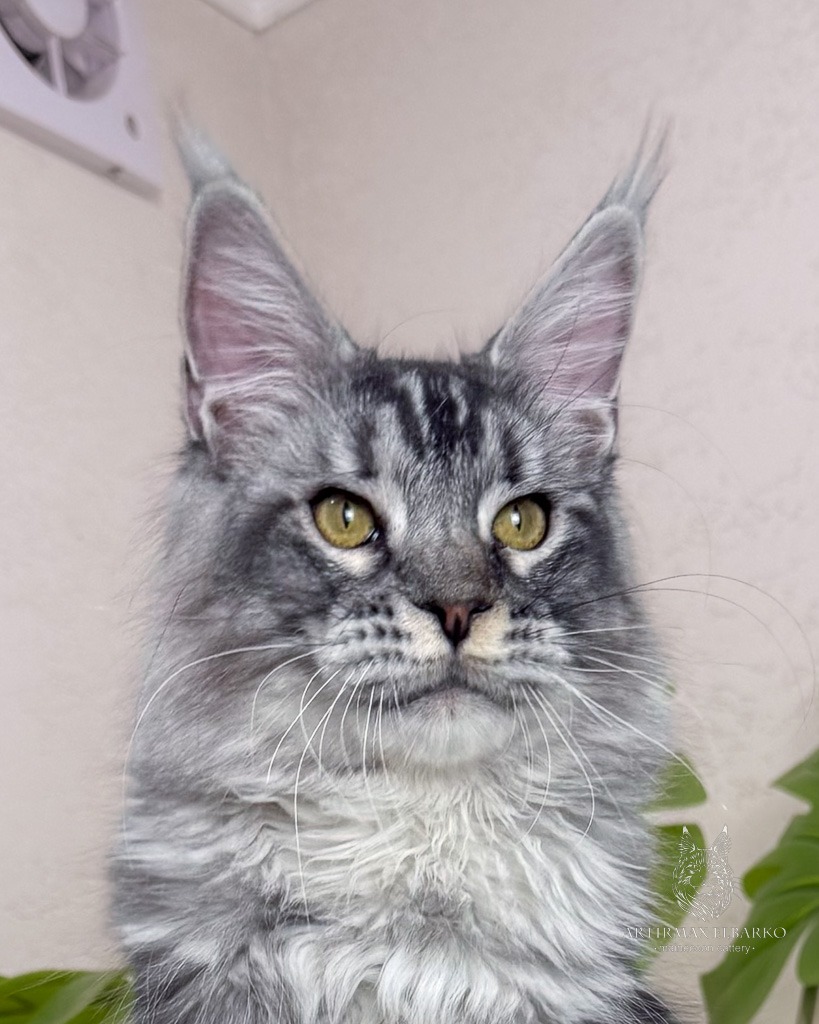
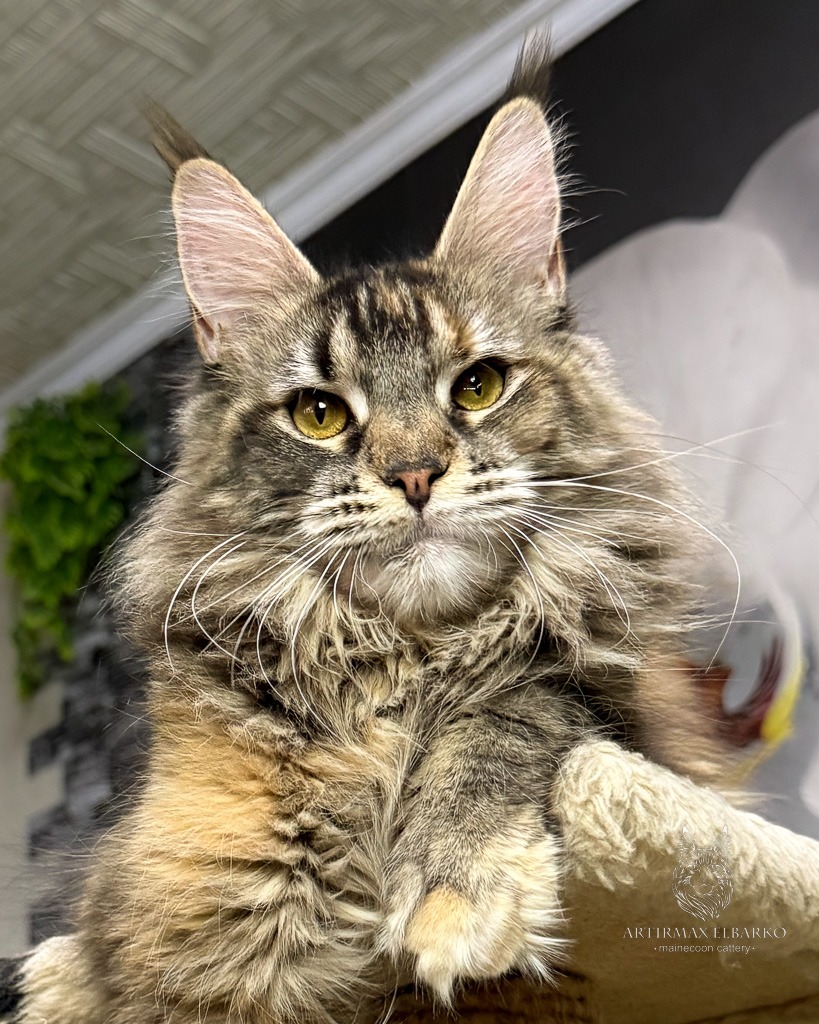
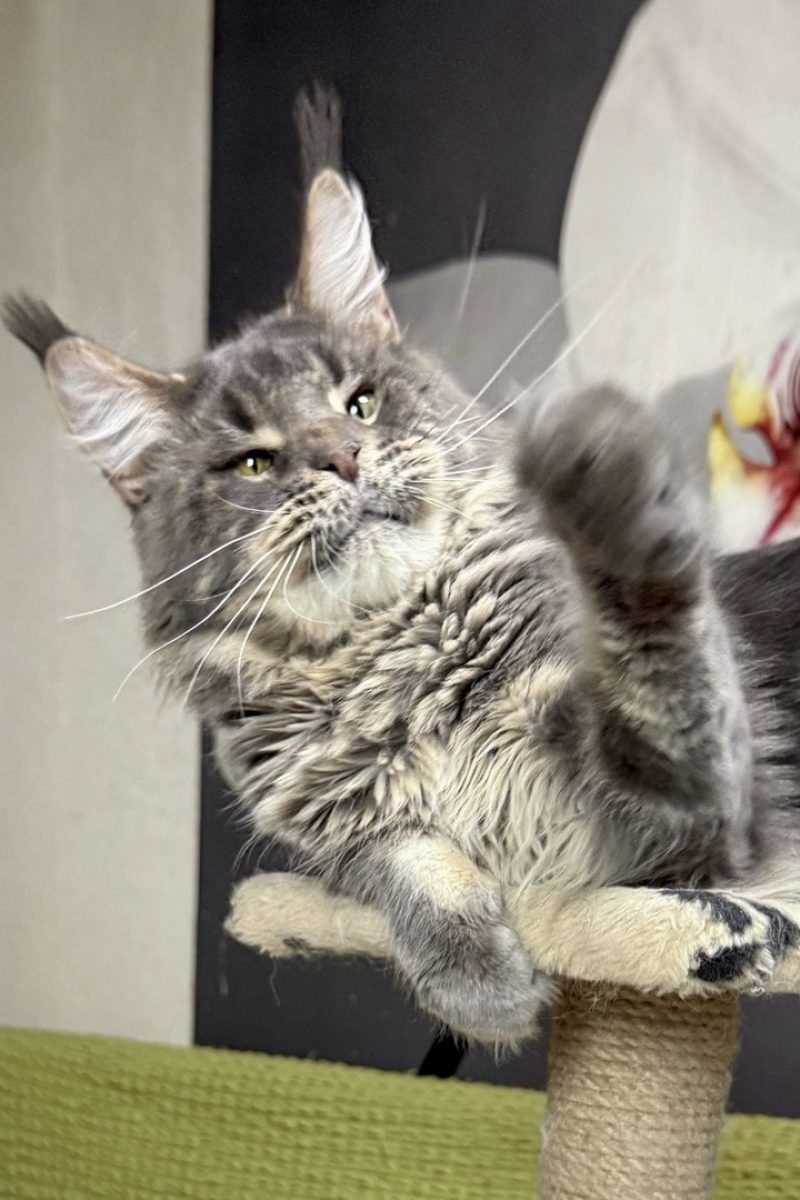
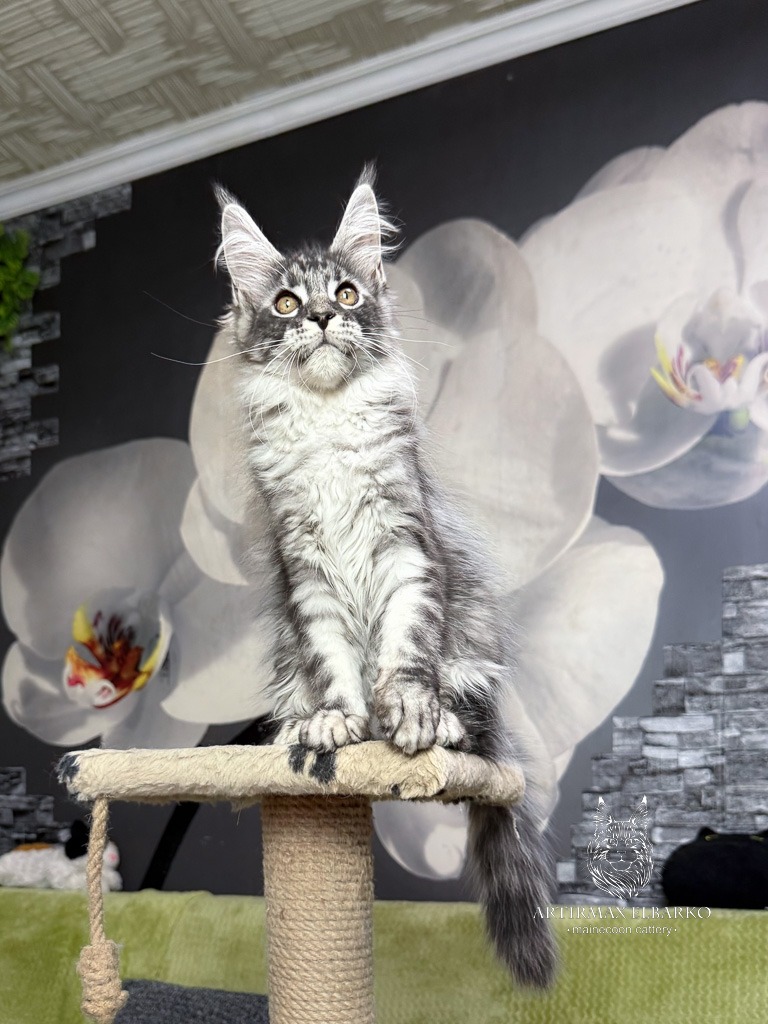
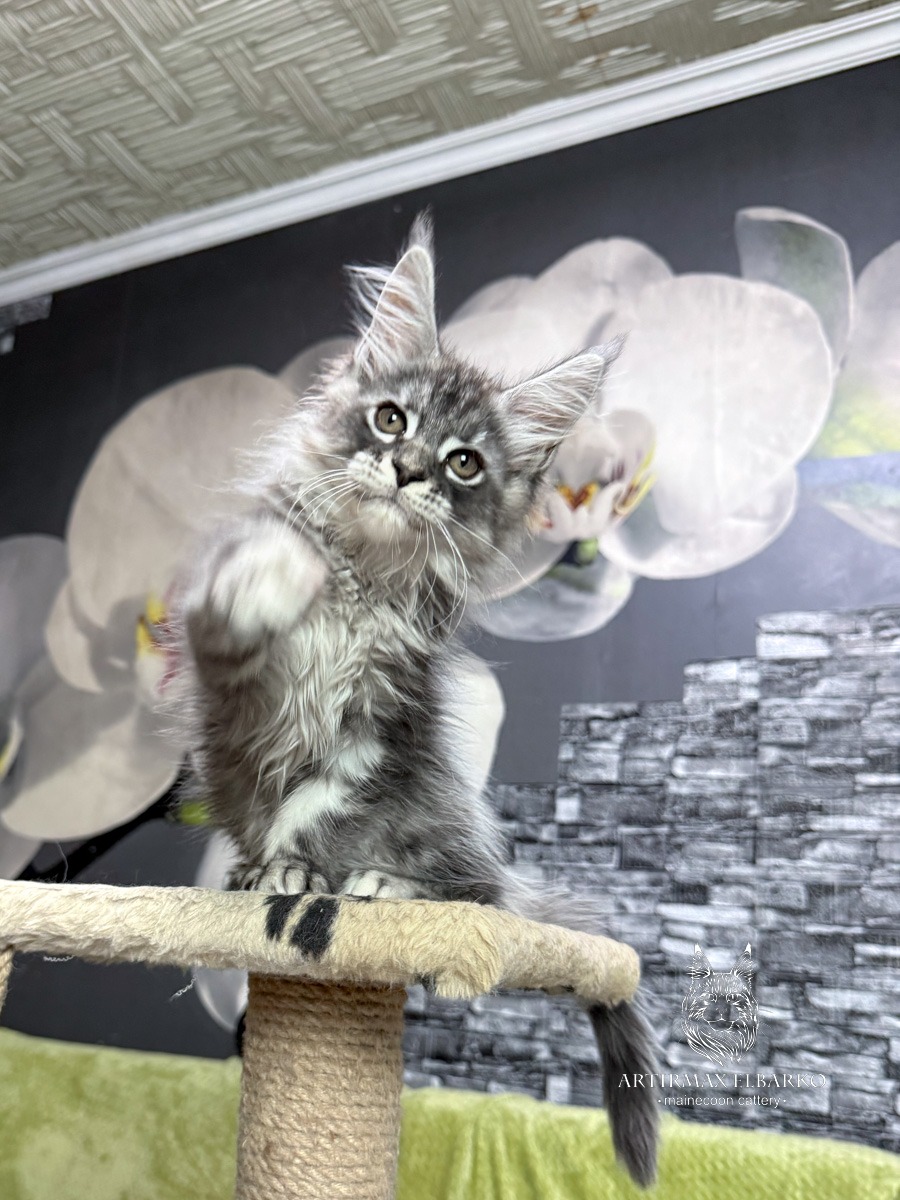
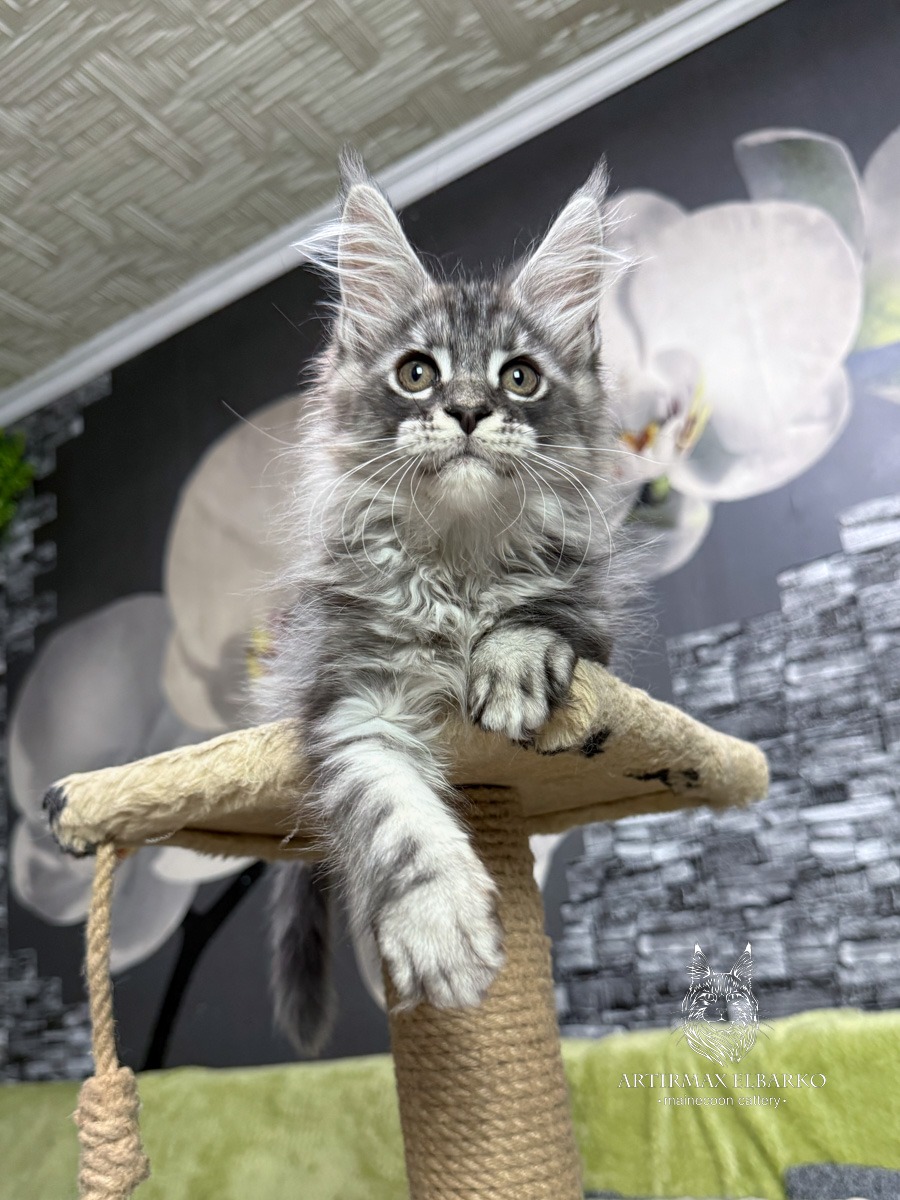
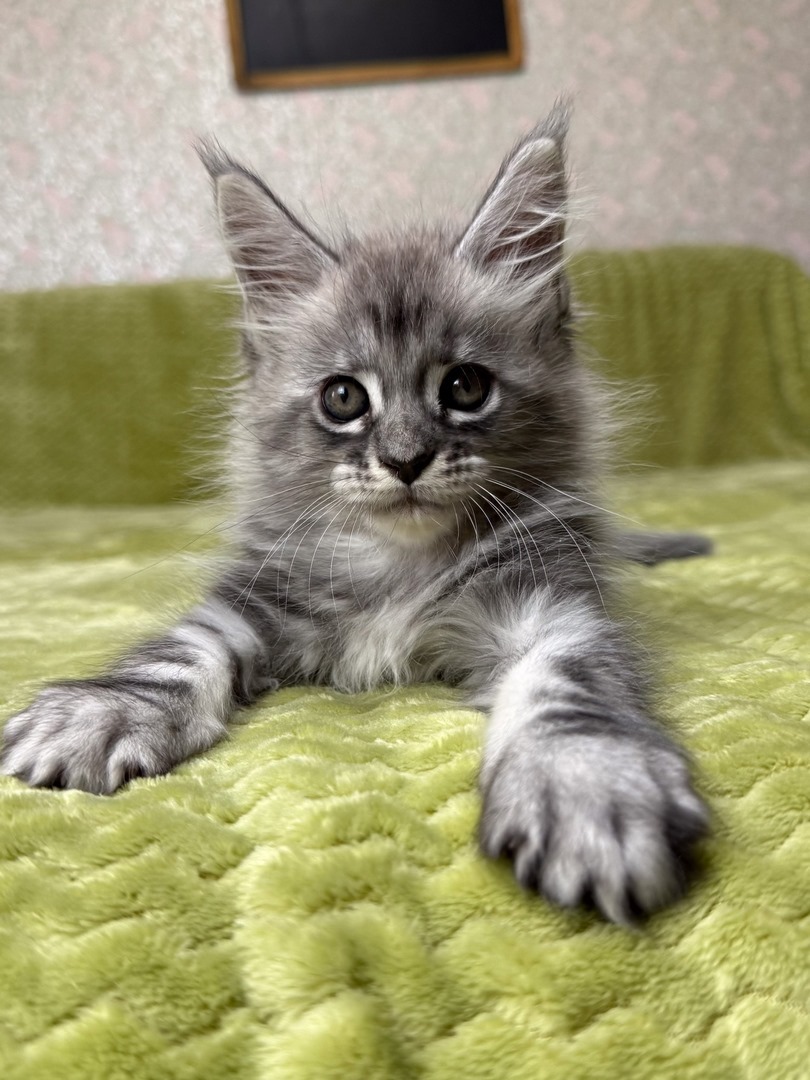
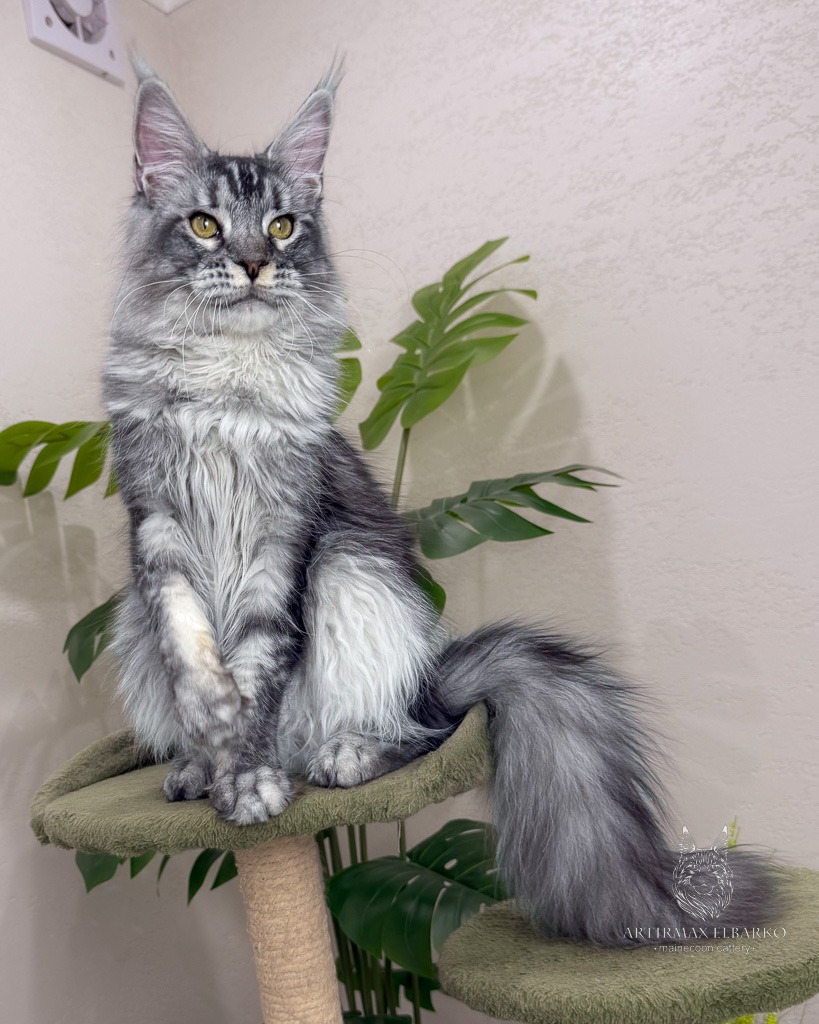
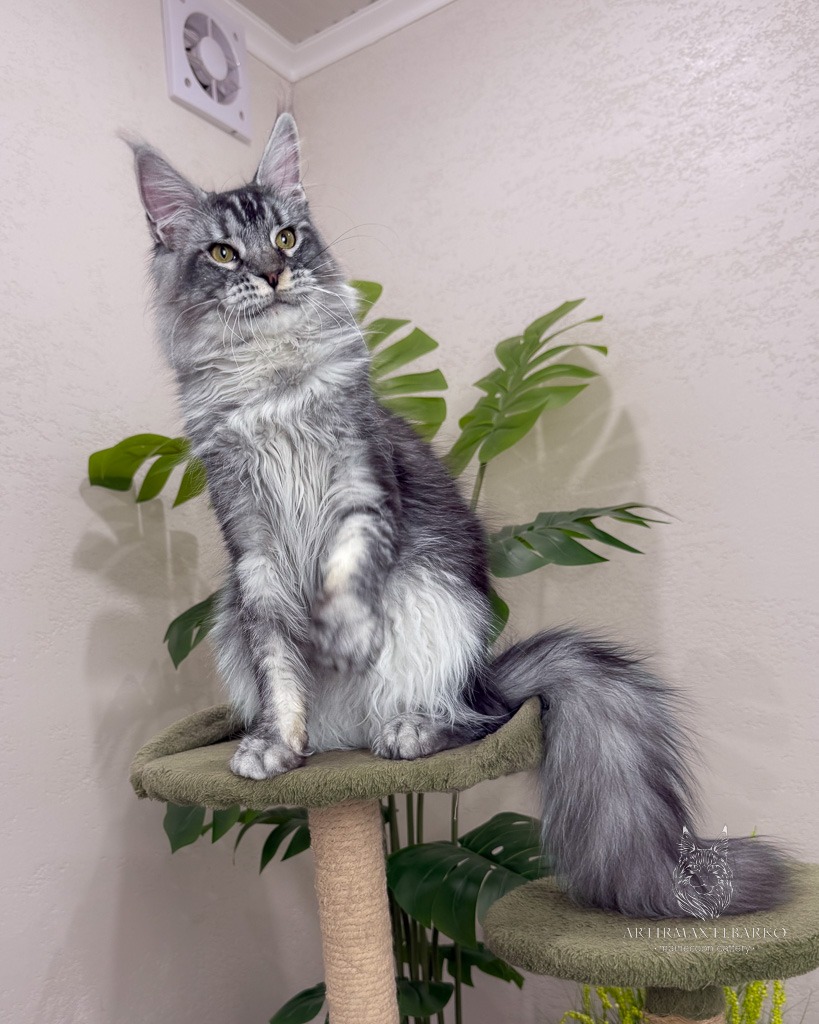
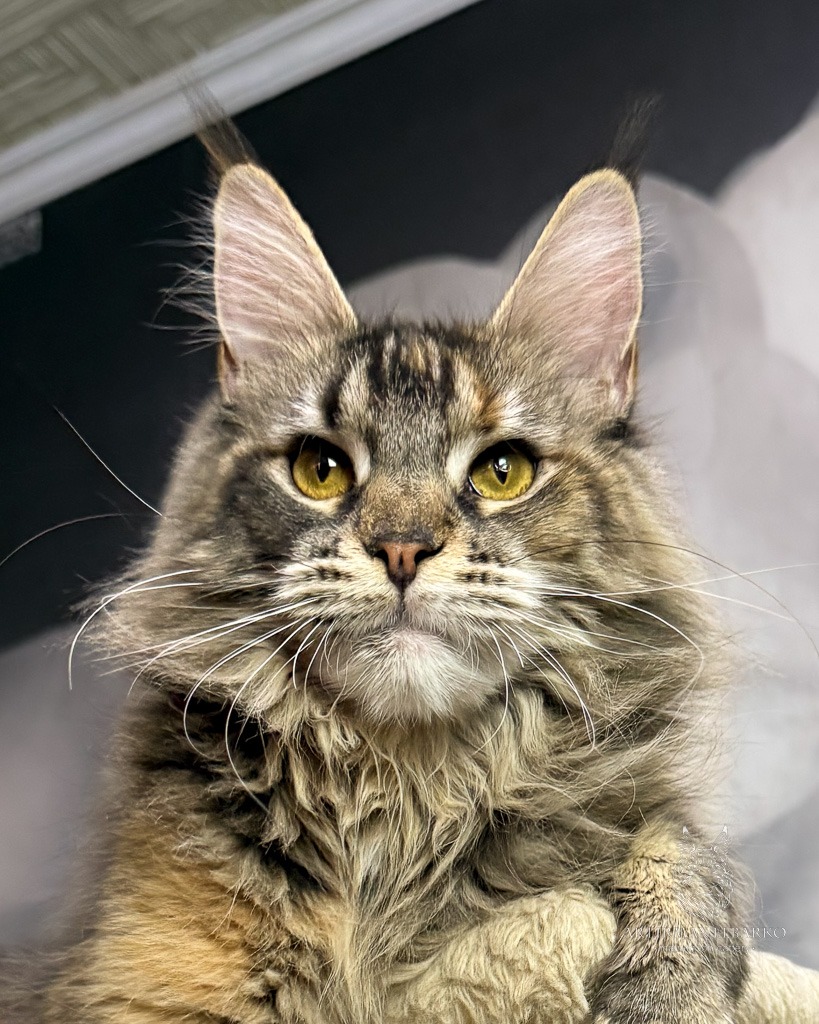
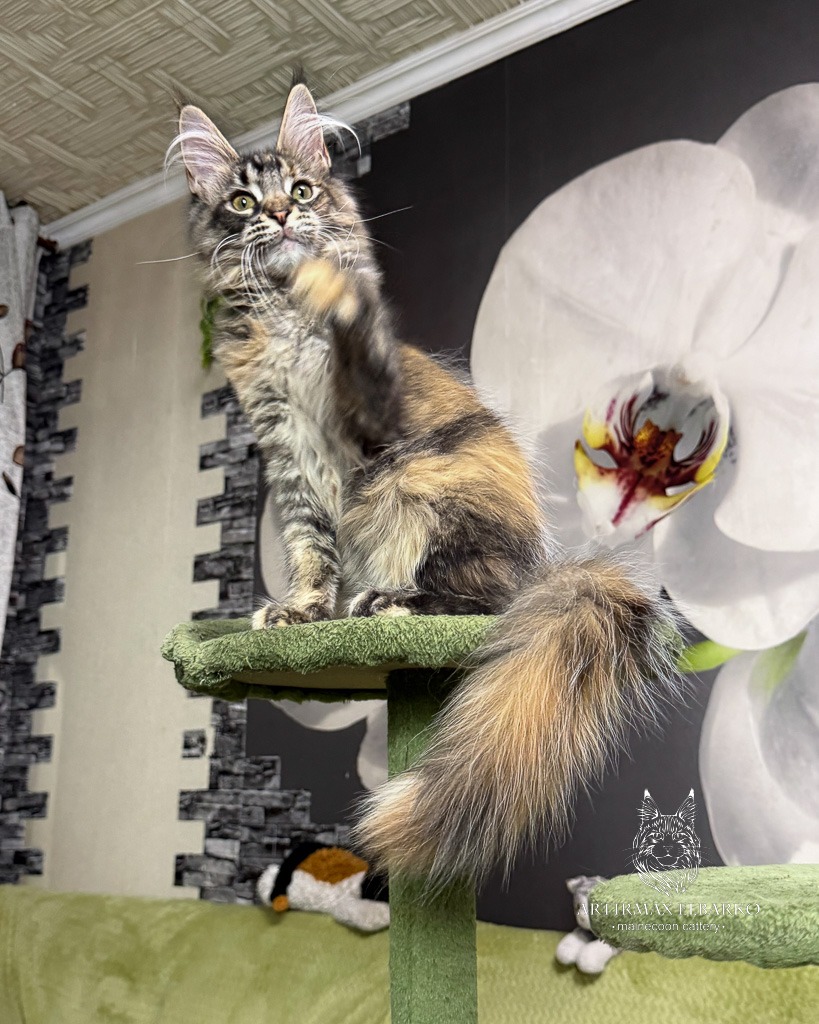
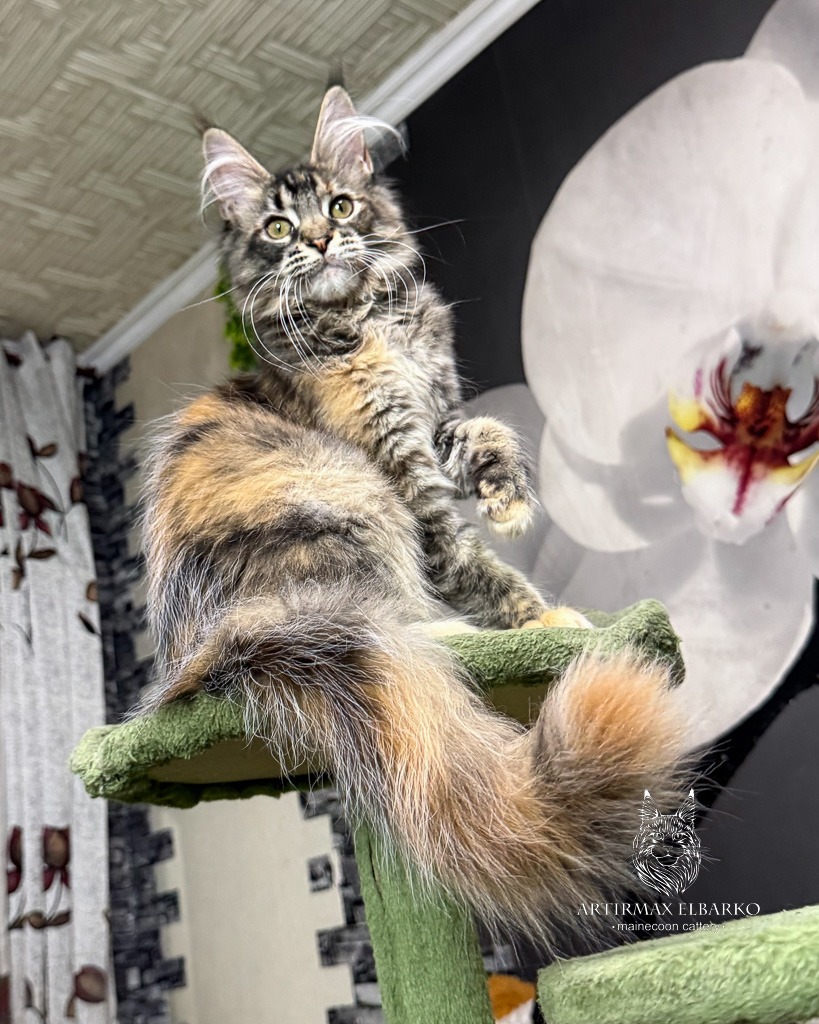
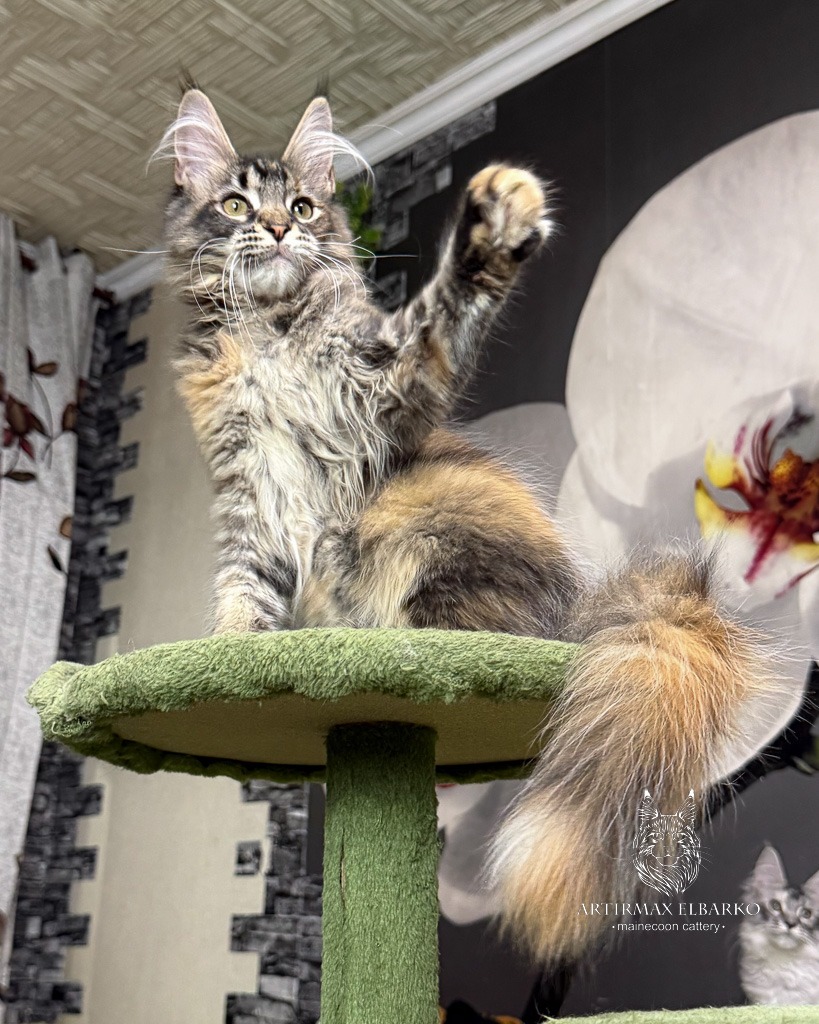
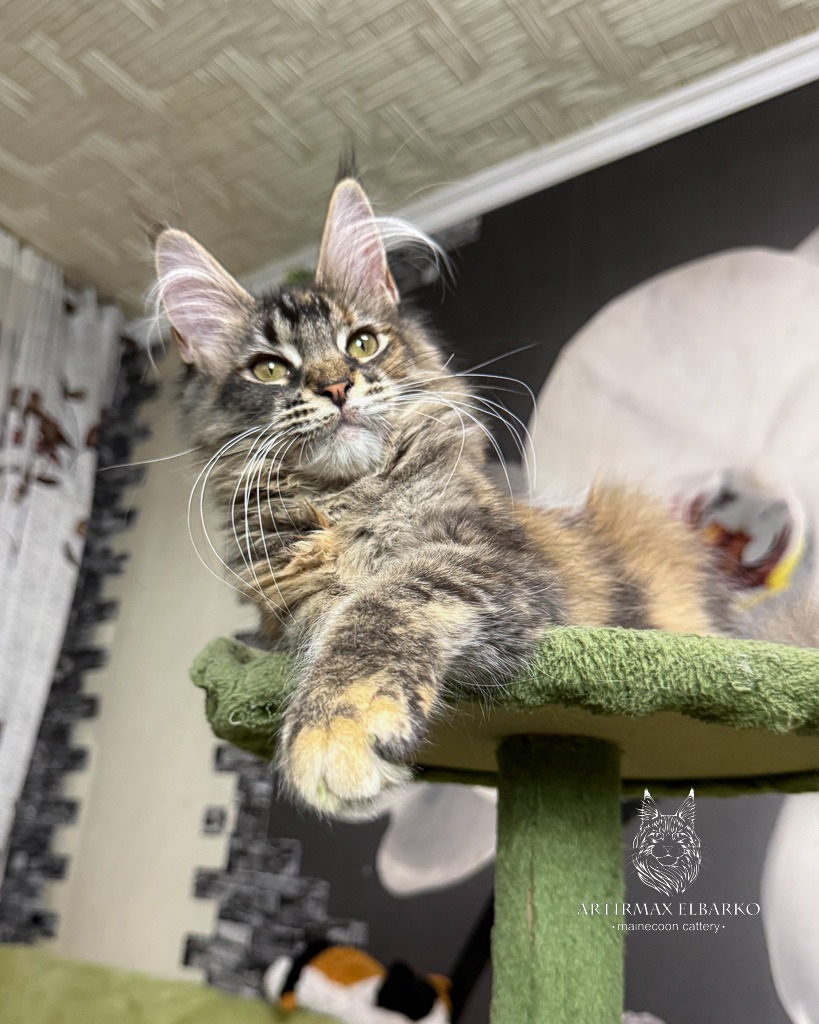
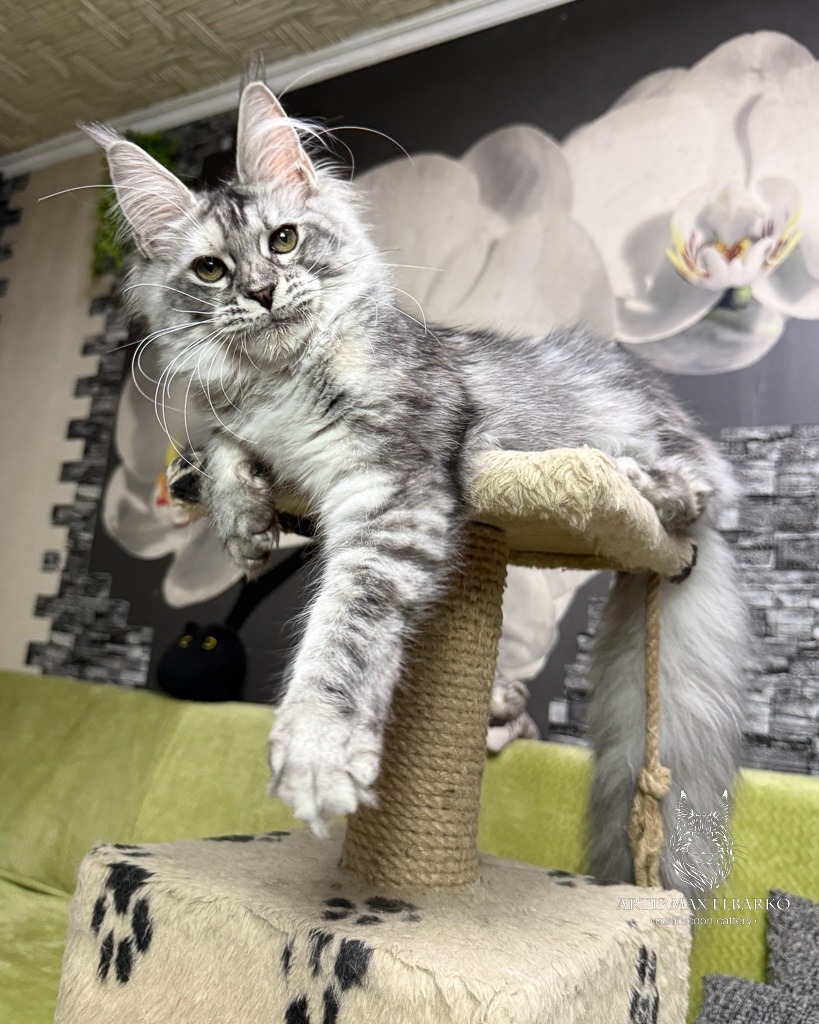
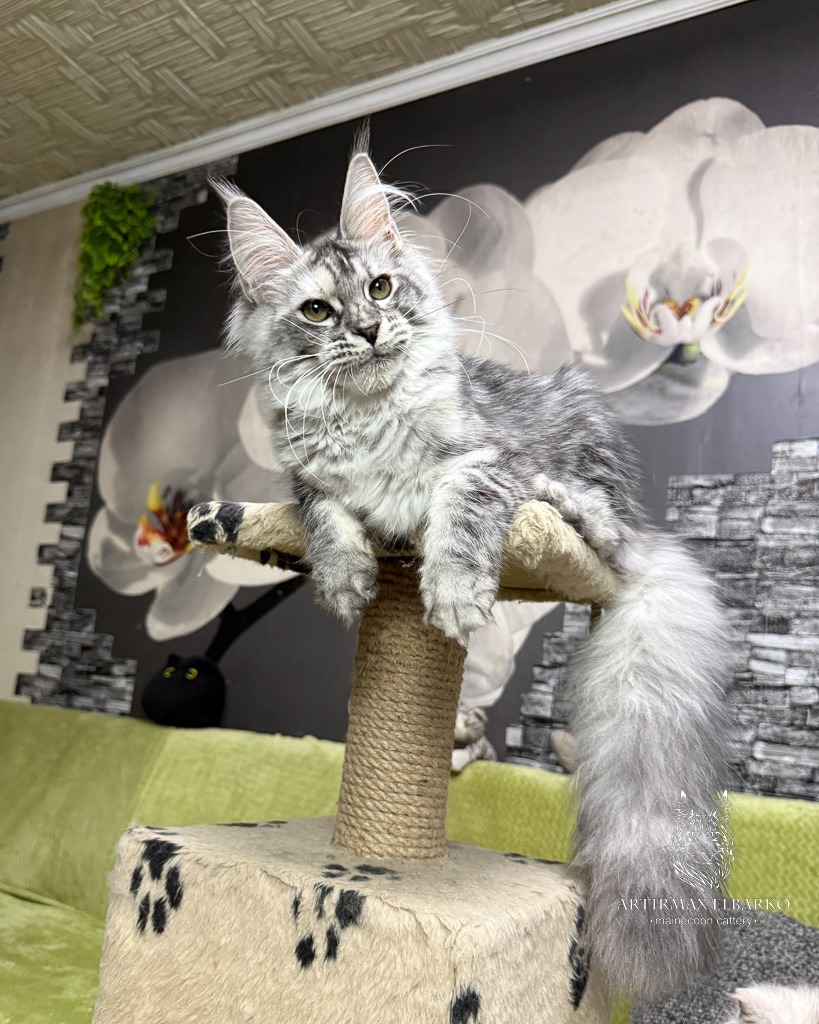
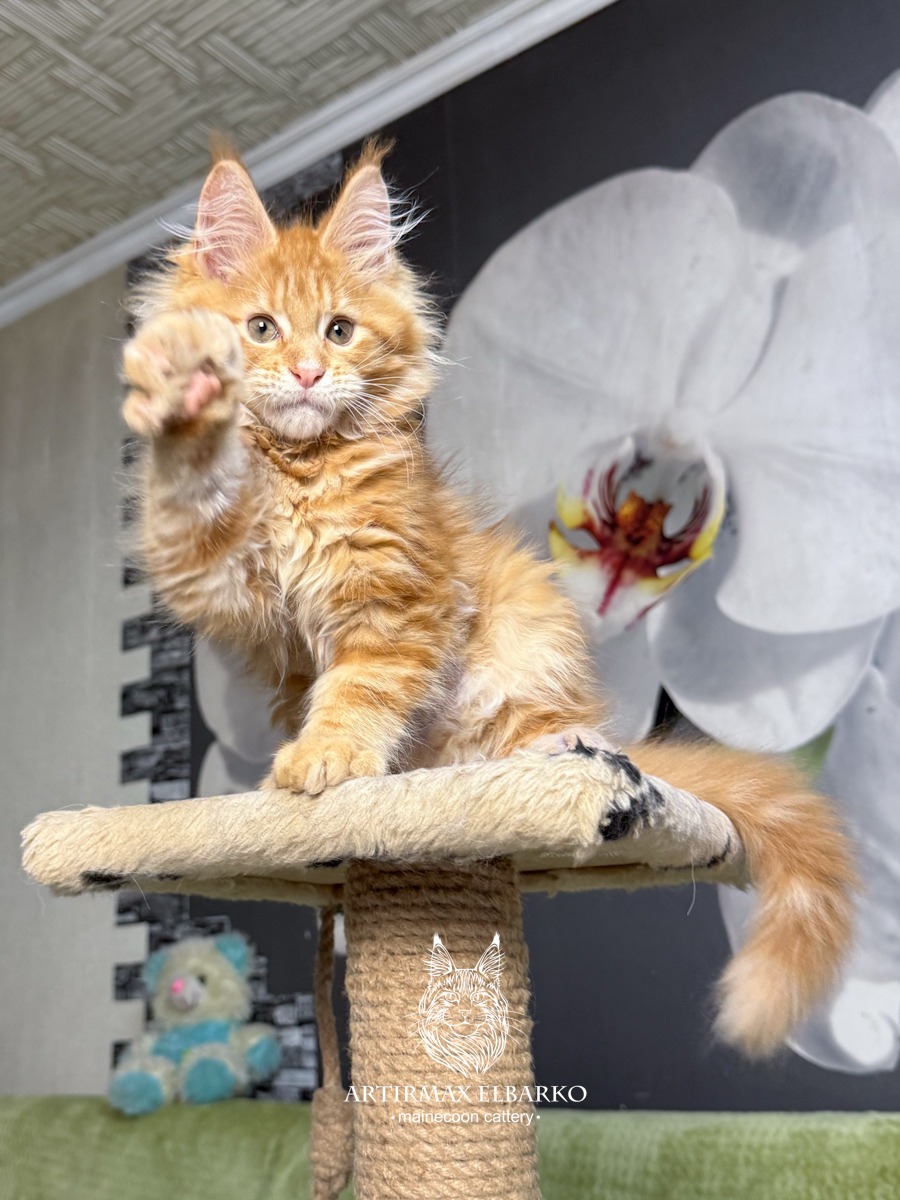
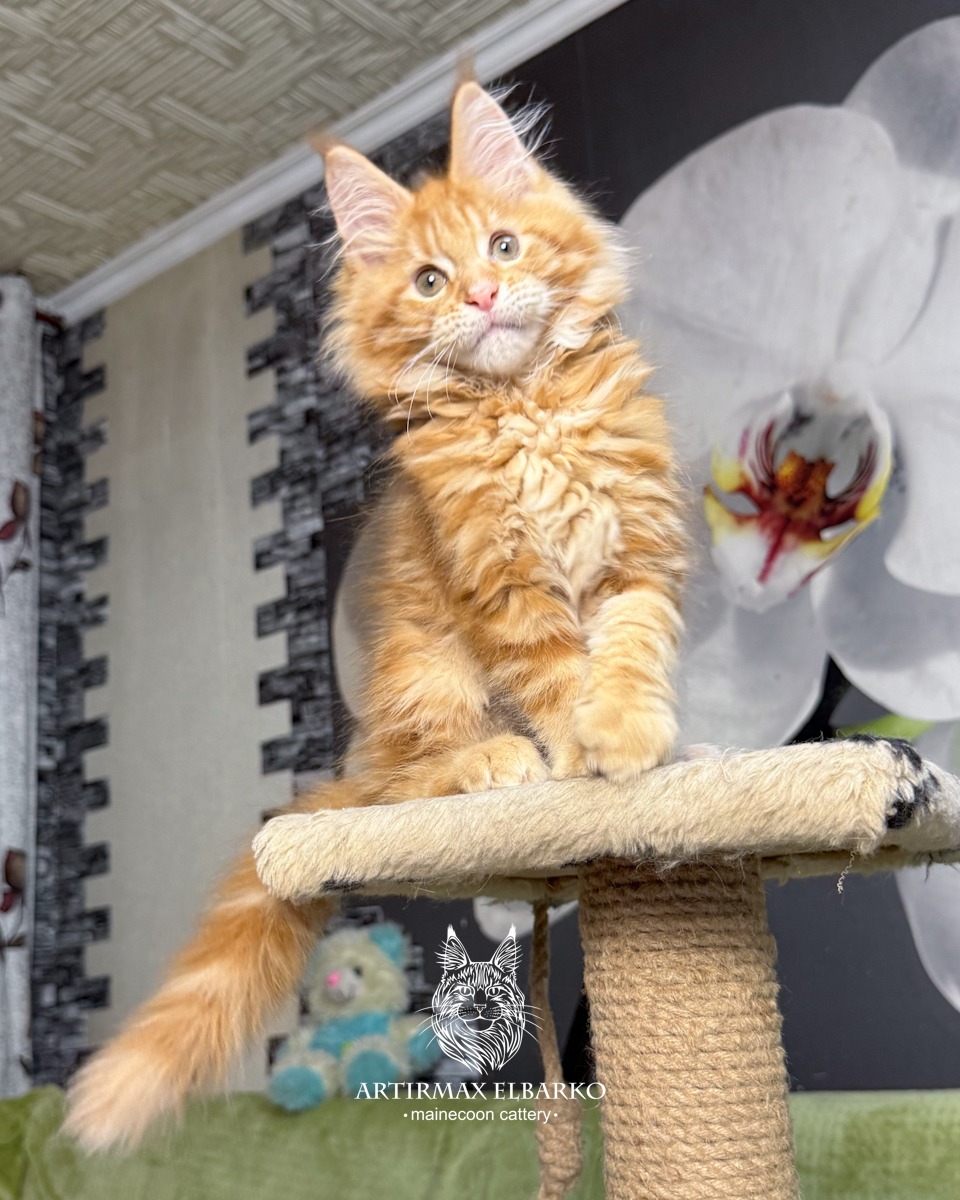
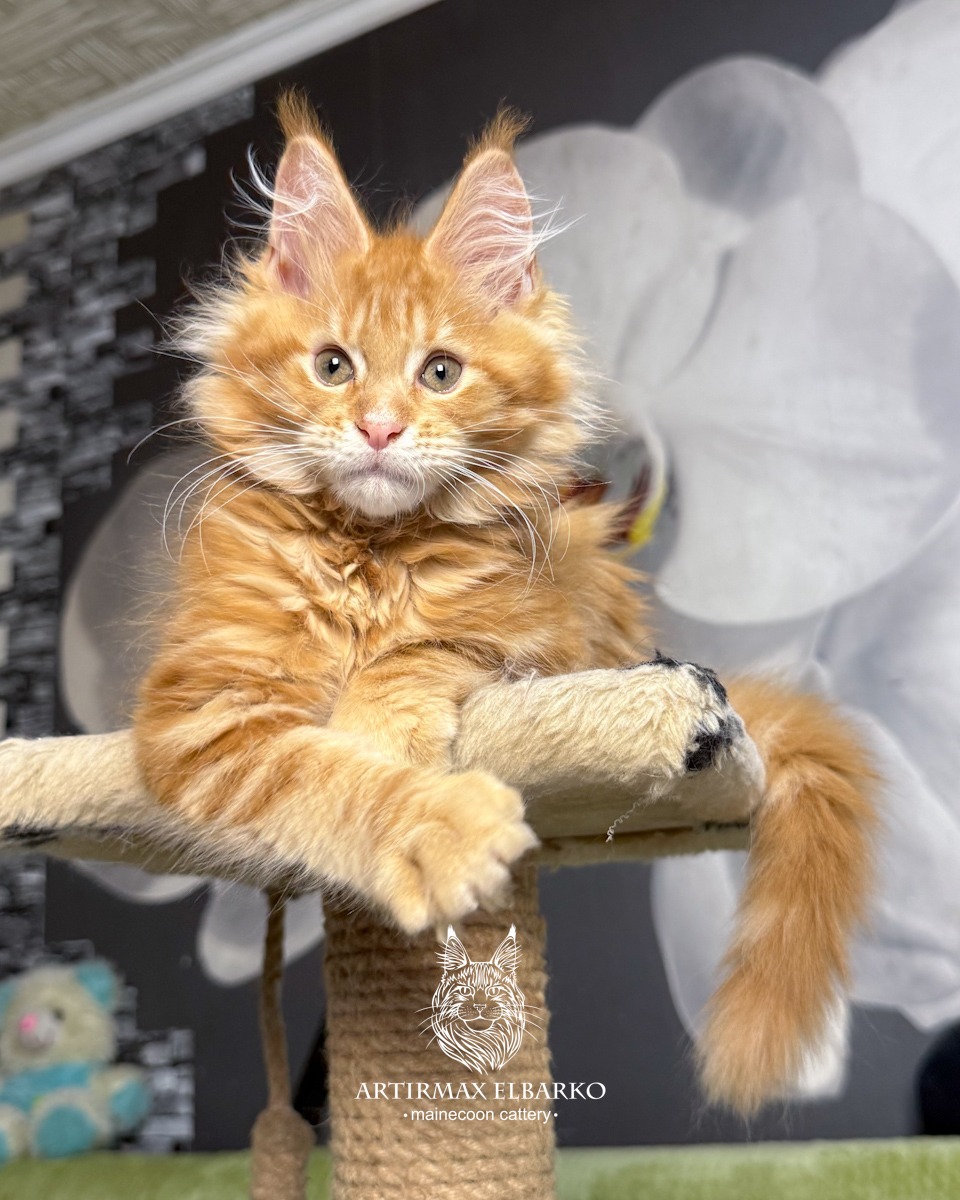
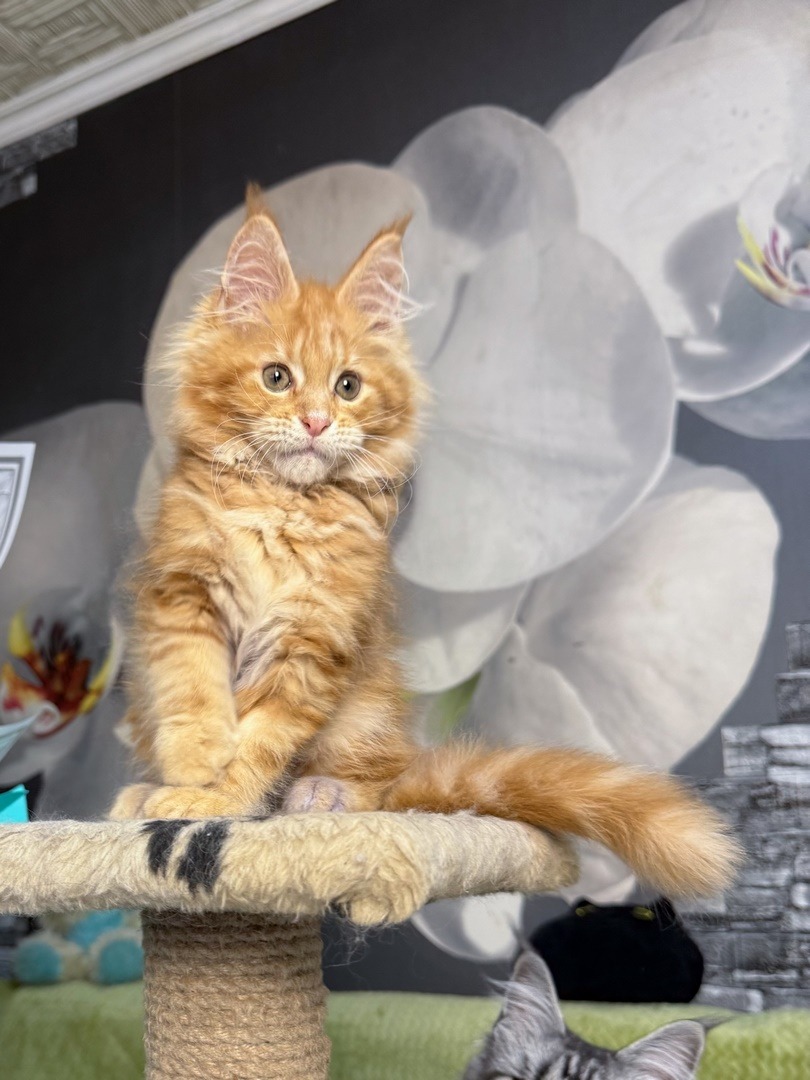
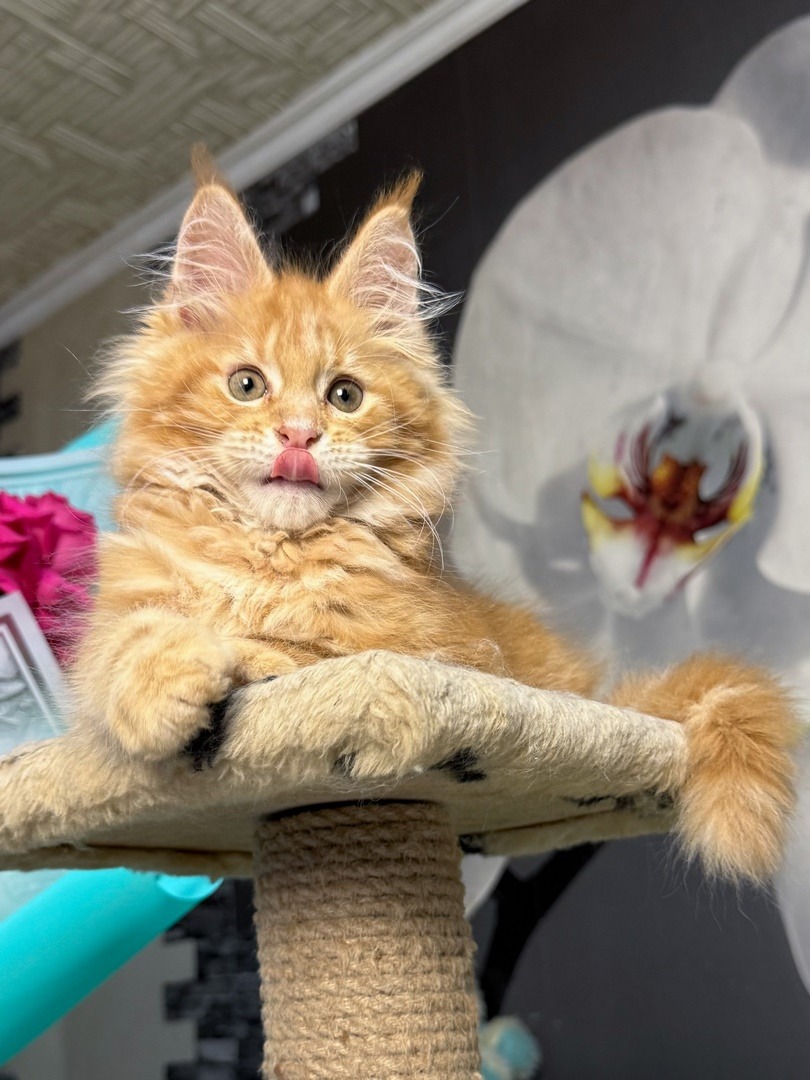
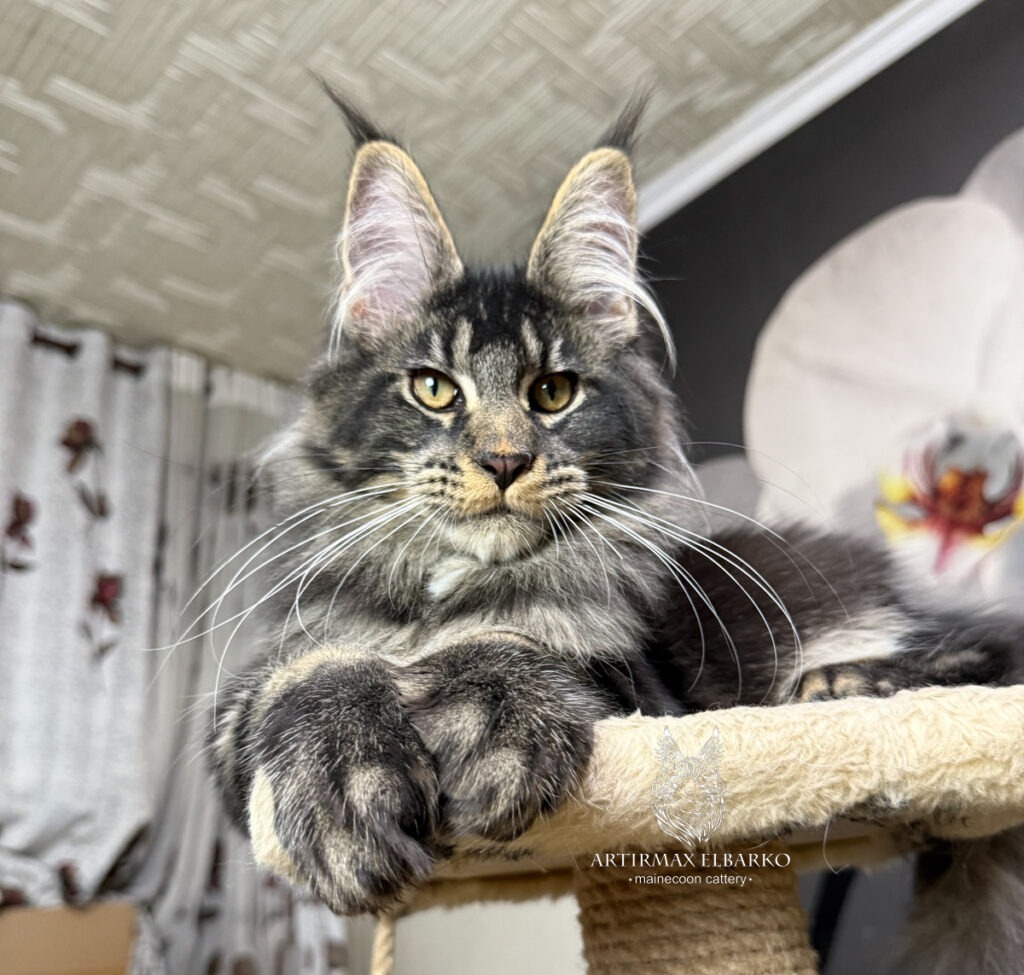
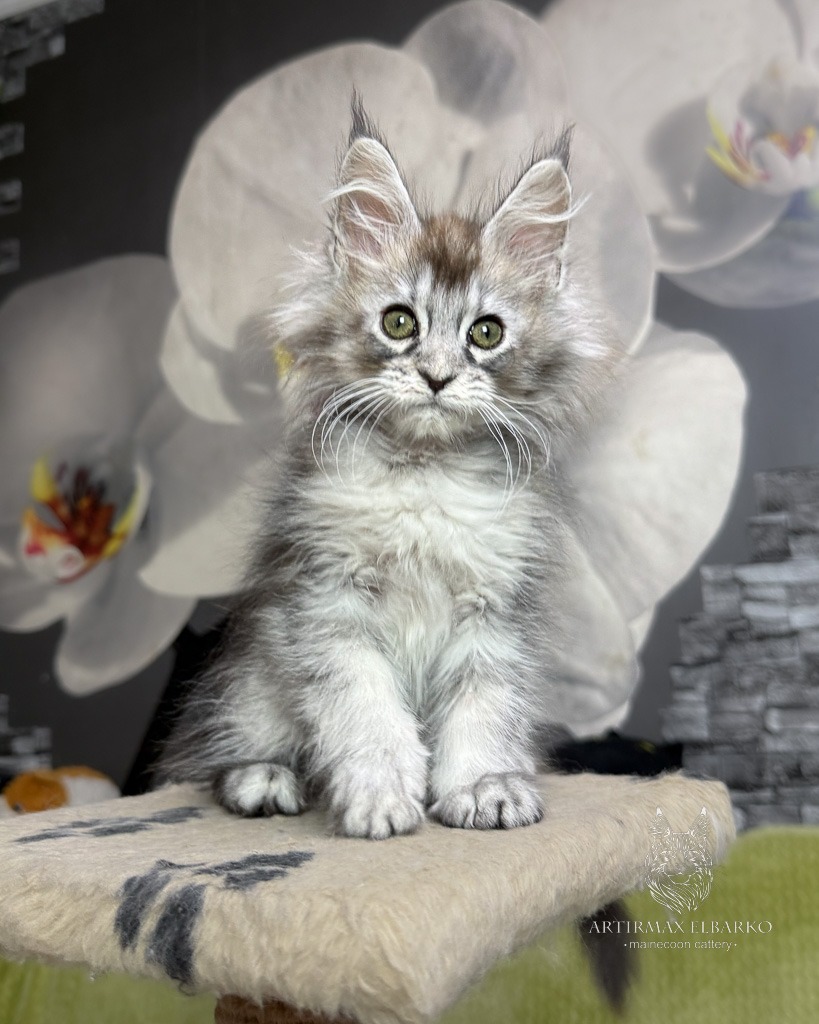
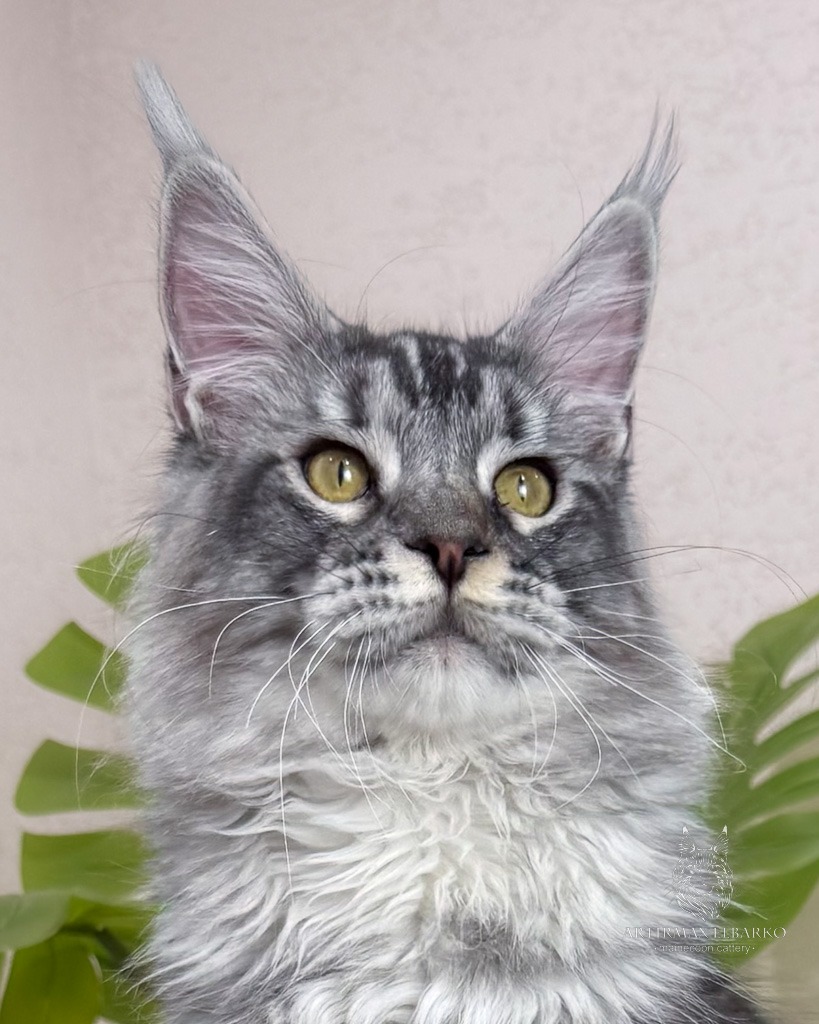
Whiskers, or vibrissae, are deeply embedded in the skin and connected to a dense network of nerve endings. They are extremely sensitive and capable of detecting even the slightest movement of air. This allows a cat to understand what is around it without direct contact and refine what it sees.

In low light or complete darkness, this becomes critical. A cat does not rely only on vision — it builds a map of space through air currents, vibrations, and subtle environmental changes. With the help of whiskers, it determines where objects are, how far they are, and whether it can pass through an opening. If the whiskers fit — the body usually will too.

Whiskers and Hunting Precision

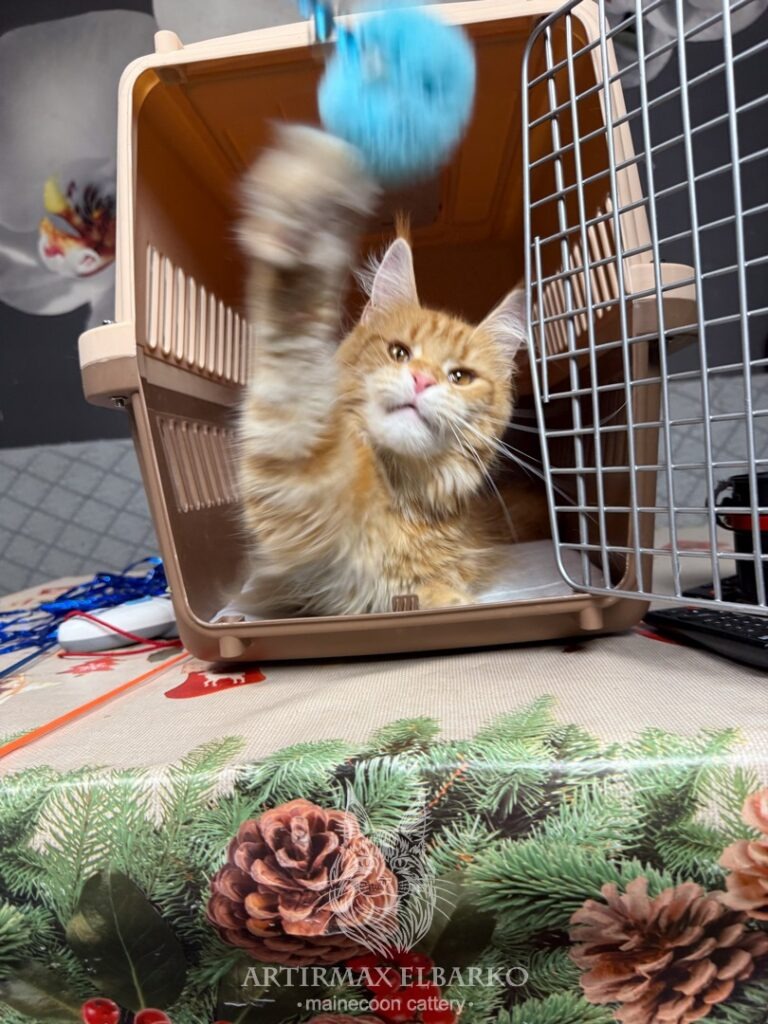
Whiskers play a crucial role during hunting. The eyes detect movement and locate the target, but whiskers provide precision. When a cat catches prey, its whiskers move forward and slightly downward, gently touching the prey. Even if the prey is no longer moving, the cat continues to monitor it. The slightest vibration is enough to trigger a reaction and confirm that the hunt is truly over.

What Happens Without Whiskers

If a cat loses or damages its whiskers, it does not simply become less precise — it loses one of its key survival tools. In darkness, where vision is limited, whiskers allow the cat to detect movement, calculate distance, and understand space accurately.

Without them, a cat is no longer a precise nocturnal hunter. It cannot confidently locate prey, judge distance, or fully rely on its instincts. A hunt that would normally take seconds turns into hesitation, mistakes, and failure. Such cats are forced to rely more on daylight, where vision can partially compensate for the loss of sensory information. In many ways, this changes everything.

Why Mother Cats Sometimes Bite Off Their Kittens’ Whiskers

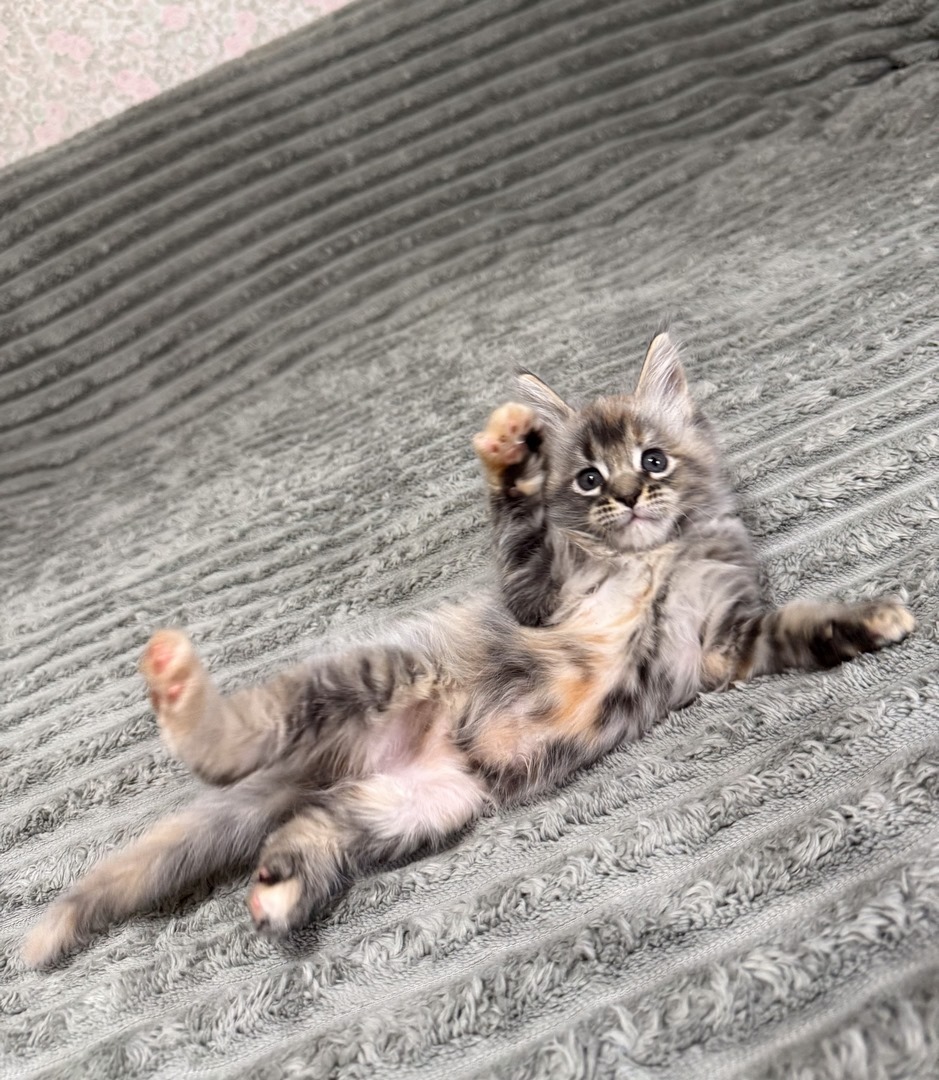
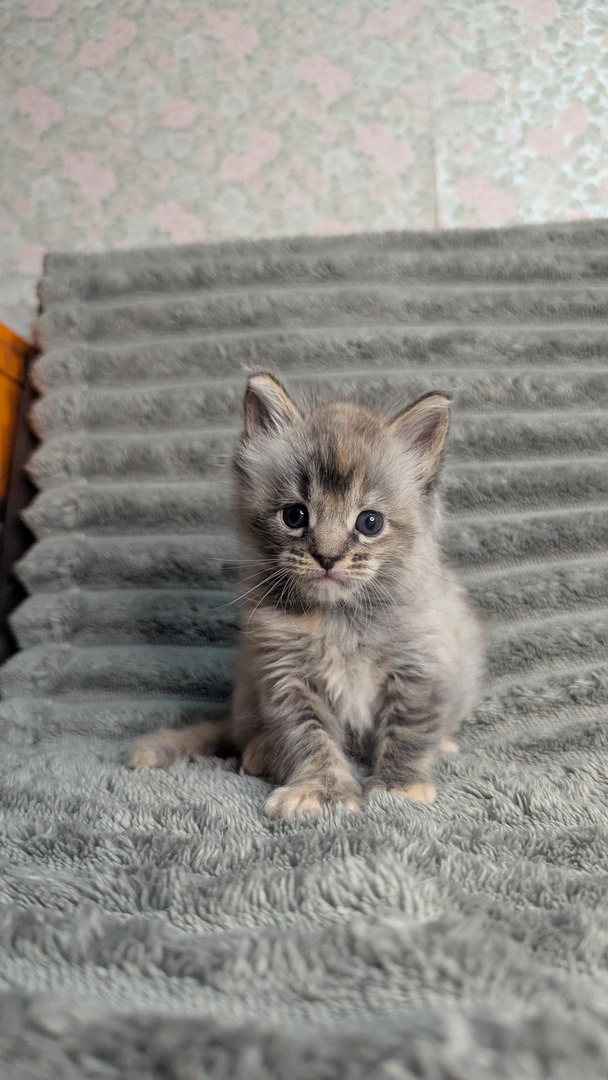
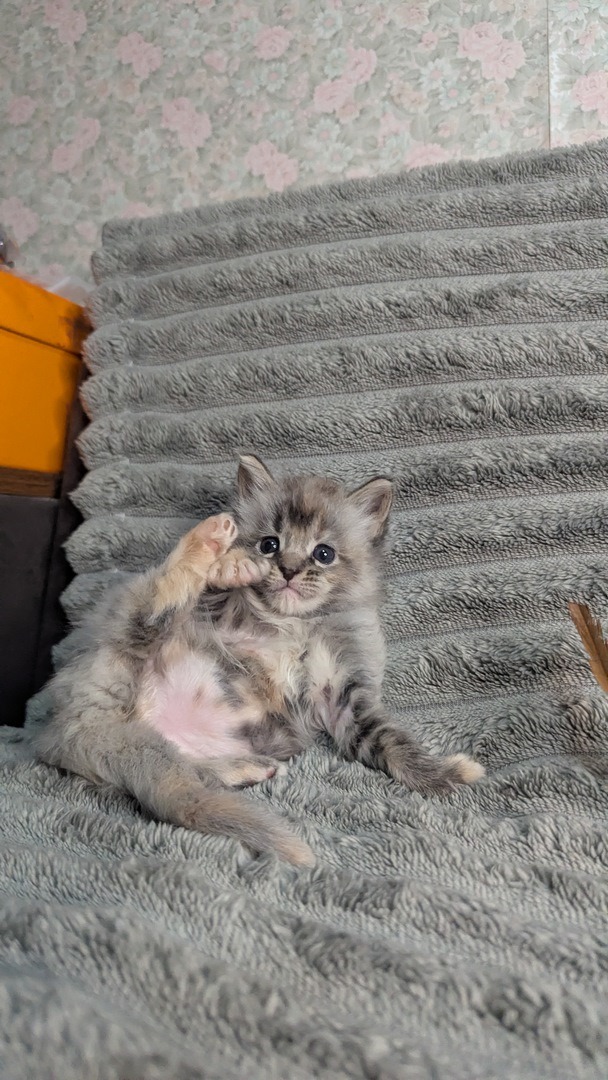
Sometimes you may notice that the most active and curious kittens suddenly have shorter whiskers.

At first glance, this may seem harsh. But it has a purpose.

By slightly reducing the kitten’s sensory precision, the mother cat lowers its confidence. The kitten becomes more cautious, explores less recklessly, and is less likely to get into dangerous situations.

In simple terms, she slows the kitten down.

For a small and inexperienced kitten, this can be a matter of safety.

Whiskers Are Not Decoration

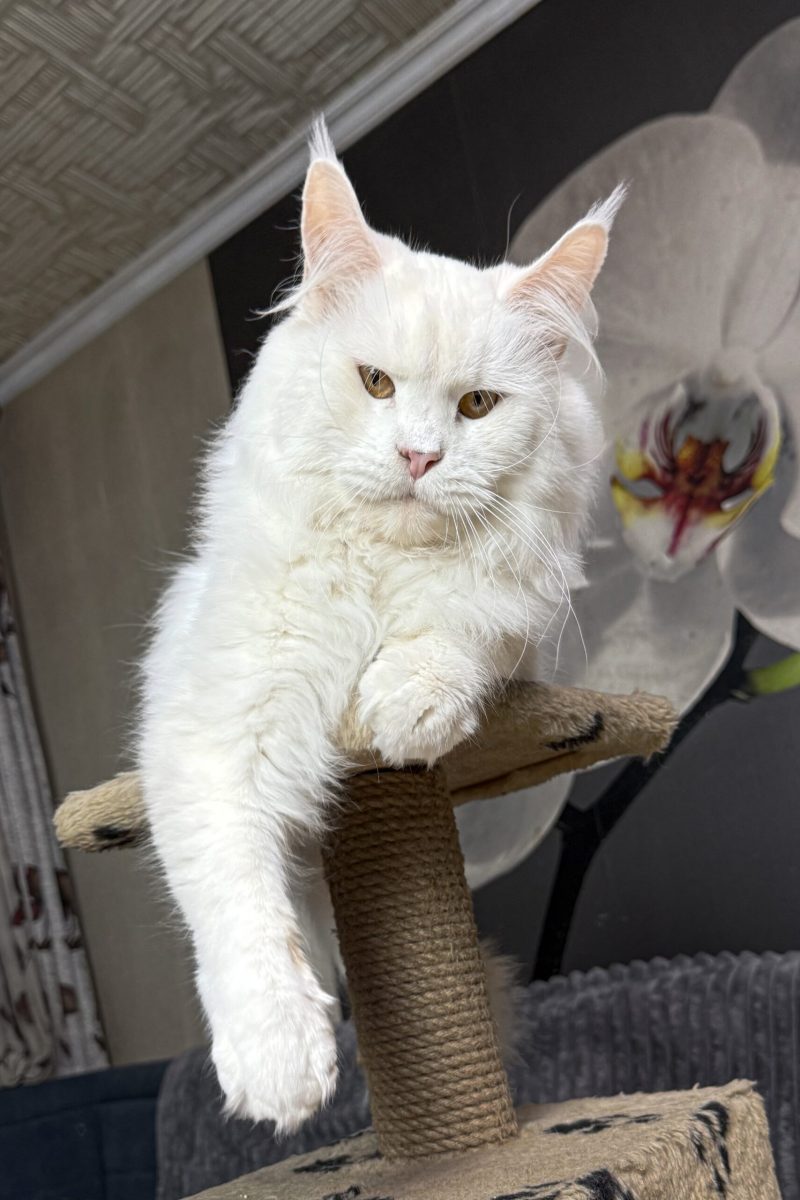
Whiskers are not just a detail of appearance. They are a complex sensory system that works together with vision and allows a cat to move with precision, confidence, and control — even when light is limited.

MAINE COON: HISTORY OF THE BREED

The appearance of the Maine Coon — its large size, tufted ears, bushy tail, and distinctive coat — has given rise to many legends about its origin. Even the second part of the breed’s name, “coon,” which translates as “raccoon,” has contributed to these stories.

Legends

Legend One: Wild Ancestors

One popular legend suggests that the Maine Coon descended from wild animals such as the North American lynx or even the raccoon. This idea is often based on their ear tufts, large size, and fluffy tail.

However, from a genetic point of view, this is impossible. Domestic cats cannot interbreed with lynxes or raccoons.


Legend Two: The Queen’s Cats

Another well-known story takes us back to 18th-century France. During the French Revolution, Queen Marie Antoinette allegedly attempted to escape and sent her belongings — including her beloved long-haired cats — to America.

Although the escape never happened, the cats are said to have arrived in North America, where they may have contributed to the development of the Maine Coon breed.


Legend Three: The Captain “Coon”

There is also a story about a sea captain nicknamed “Coon,” who loved cats and always traveled with many long-haired companions — Persians, Angoras, and others.

During his voyages, kittens were born and left in different ports, including along the American coast. According to this legend, these cats played a role in the formation of the Maine Coon.


The Real Origin of the Maine Coon

In reality, the Maine Coon is a natural breed. It was not created through intentional crossbreeding but developed over time under environmental conditions.


How the Breed Developed

The first settlers in North America were mostly poor and brought with them simple, short-haired cats. These cats were hardy, strong, and excellent hunters.

Later, wealthier settlers arrived with long-haired, more refined cats.

The mixing of these two types, combined with natural selection and the needs of farmers, gradually formed what we now know as the Maine Coon.


Natural Selection

The harsh climate of the northeastern United States played a crucial role in shaping the breed.

Only cats that could survive cold winters and difficult conditions remained.

These cats developed:

  • long, thick fur

  • strong, powerful bodies

  • large paws adapted for snow

  • intelligence and independence

Farmers preferred cats that were not only strong but also capable of hunting and surviving on their own.


Why Maine Coons Became So Large

At that time, there was a strong culture of competition among farmers in America. People tried to breed the largest livestock — the biggest bulls, the most productive cows, and even the strongest animals in general.

It is believed that this same mindset influenced the development of larger cats. Having the biggest and strongest cat was also something to be proud of.


Early Recognition

In the mid-19th century, Maine Coons were first presented at local fairs in the state of Maine.

These cats quickly attracted attention due to their size and appearance.

In the late 1800s, they became widely popular across the northeastern United States.

In 1895, a Maine Coon named Cosey won Best in Show at a major cat show in Madison Square Garden in New York.


Decline and Revival

At the beginning of the 20th century, Maine Coons lost popularity due to the rise of Persian cats.

For several decades, the breed was rarely seen at major shows.

However, dedicated breeders continued working with the breed, preserving its qualities.

By the 1970s, Maine Coons regained recognition and were officially accepted in major feline associations such as CFA.


Modern History

Today, the Maine Coon is one of the most popular cat breeds in the world.

It is valued not only for its impressive appearance but also for its temperament — balanced, intelligent, and deeply connected to people.

Despite all the legends, the real history of the Maine Coon is no less fascinating — it is a story of natural development, adaptation, and survival.

Why Well-Bred Maine Coon Kittens Are Not Cheap

Many people who are planning to bring a purebred Maine Coon kitten into their home often ask the same question:

“Why are Maine Coon kittens not cheap?”

At first glance it may seem simple — a breeder has cats, kittens are born, and they are sold.
In reality, responsible breeding is a long and complex process that requires knowledge, experience, daily work, and significant investment.


Education and Knowledge

Before opening a serious cattery, a breeder must carefully study the breed. This includes learning felinology, genetics, coat colors, pedigrees, and the official breed standard.

For us personally, this stage took about two years of study and preparation before we were ready to begin building our cattery.

Understanding all these aspects is essential in order to breed healthy Maine Coons with the correct breed type, strong structure, and a stable temperament.


Searching for Breeding Cats

Finding the right breeding animals is one of the most difficult steps when starting a cattery. Breeders may spend years searching for strong bloodlines and reputable catteries. Often cats must be imported from other countries in order to work with the best lines available.

In reality, building a cattery with reasonably strong lines requires a very significant investment. Strong bloodlines are usually kept within established breeding programs, and cats with real breeding potential are rarely inexpensive.

In many cases, the total investment required to start a cattery with good foundation lines can reach tens of thousands of dollars.

Even then, not every cat purchased for breeding will necessarily remain in the breeding program. Responsible breeders perform health testing and carefully evaluate their cats. If a cat does not meet breeding requirements, it remains a beloved member of the family but is neutered.


Cat Shows

Participation in cat shows is also an important part of responsible breeding.

In our case, within the WCF system, cats must receive official show evaluations before they are allowed to be used in a breeding program.

Female cats must receive at least a breeding evaluation, while male cats must usually obtain the Champion title in WCF before being allowed for breeding.

This means that cats must first be presented at shows and evaluated by professional judges according to the breed standard.

Preparing a Maine Coon for a show requires experience, time, and financial investment. Cats must be groomed using professional grooming products, carefully prepared, and safely transported to the show.

Participation in shows also involves entry fees, club memberships, travel expenses, and accommodation in the cities or countries where the shows take place.

In addition to fulfilling breeding requirements, shows allow breeders to receive professional evaluations of their cats and continue improving their breeding programs.


Health Testing and Veterinary Care

Another important reason why well-bred Maine Coon kittens are not cheap is the cost of proper health testing and veterinary care.

Breeding cats must be tested for genetic diseases known to occur in the Maine Coon breed. Because Maine Coons are a large breed, special attention is given to heart health.

In addition to genetic testing for HCM, responsible breeders regularly perform heart ultrasound examinations (echocardiography) on their breeding cats.

Breeding animals are also tested for infectious diseases such as FIV and FeLV in order to maintain a healthy breeding program.

Veterinary care also includes regular health monitoring and vaccinations.

Kittens must receive all necessary veterinary procedures before leaving for their new homes. This includes age-appropriate vaccinations, rabies vaccination, and preventive parasite treatments.

These measures help ensure that kittens grow up healthy and are ready to safely move to their new families.


Nutrition and Proper Diet

Proper nutrition plays a very important role in raising healthy Maine Coons.

Maine Coons are a large and powerful breed, and their health and development depend greatly on the quality of their diet.

In our cattery we carefully plan the diet of our cats. Our cats receive high-quality premium food, meat, and natural products such as quail eggs, which are a valuable source of nutrients.

In addition, I have developed a special canned food recipe that we use in our cattery. These homemade portions are carefully balanced and contain the necessary micro- and macroelements required for the healthy growth and development of kittens.

Providing a balanced and high-quality diet for many cats requires constant attention and significant daily expenses, but it is essential for raising strong and healthy Maine Coons.


Pregnancy, Birth and the First Weeks of Life

The work of a breeder becomes especially demanding when a litter is expected.

During pregnancy the queen requires special care, proper nutrition, and careful monitoring of her health. The breeder must constantly observe her condition and prepare for the birth.

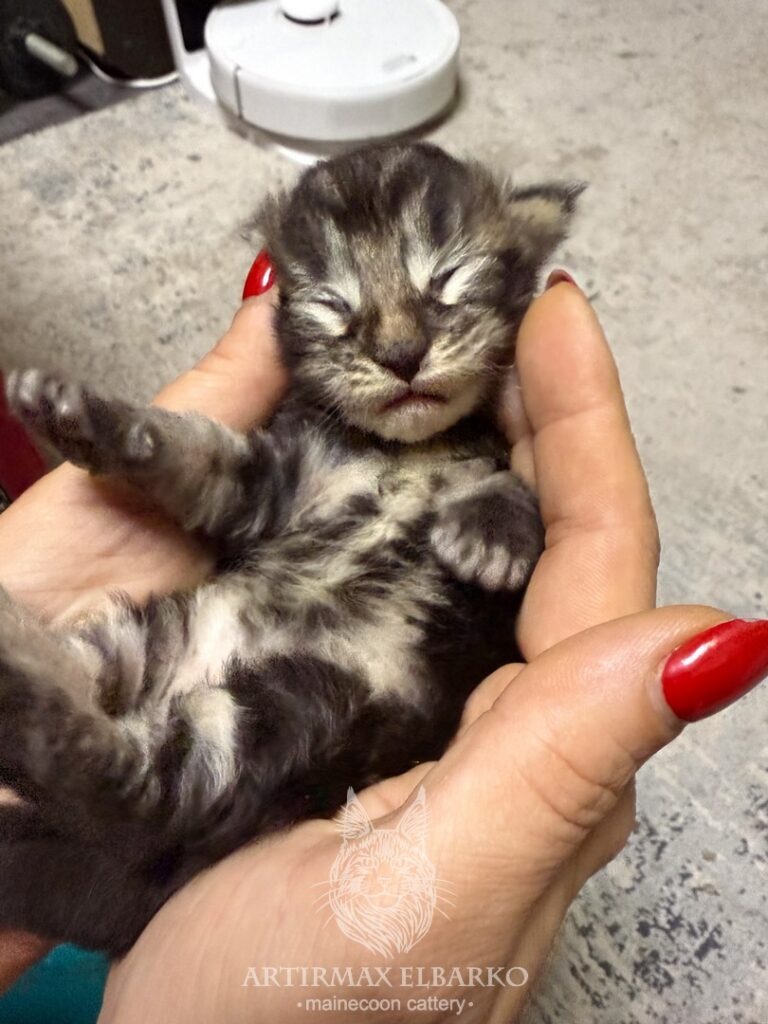
When the kittens are born, they require very close supervision. Maine Coons are large cats, and newborn kittens are extremely small and fragile.

During the first days and weeks breeders often stay very close to the mother and her kittens to make sure that every kitten is safe and nursing properly.

For the first 10–14 days, breeders often monitor the nest almost around the clock, carefully watching both the mother and the newborn kittens.

Every kitten matters, and responsible breeders do everything possible to give them the best possible start in life.


Responsible Breeders vs Backyard Breeders

It is also important to understand the difference between a responsible breeder and a so-called “backyard breeder.”

A responsible breeder works to improve the breed. This means carefully selecting breeding pairs, studying pedigrees, performing genetic health testing, monitoring the health of breeding cats, and raising kittens in a clean and safe home environment.

Responsible breeders invest years of work, knowledge, and significant financial resources to produce healthy Maine Coon kittens with correct breed type and stable temperament.

Unfortunately, there are also people who breed cats simply to make quick money. Such breeders often skip health testing, do not study pedigrees, and may sell kittens without proper veterinary care or documentation.

At first glance, a cheaper kitten may seem like a good deal. However, without responsible breeding and proper health testing, families may later face serious health problems and unexpected veterinary expenses.

Choosing a responsible breeder means choosing health, transparency, proper care, and lifelong support for your kitten
How to Reserve a Maine Coon Kitten

Step 1 — Choose a kitten
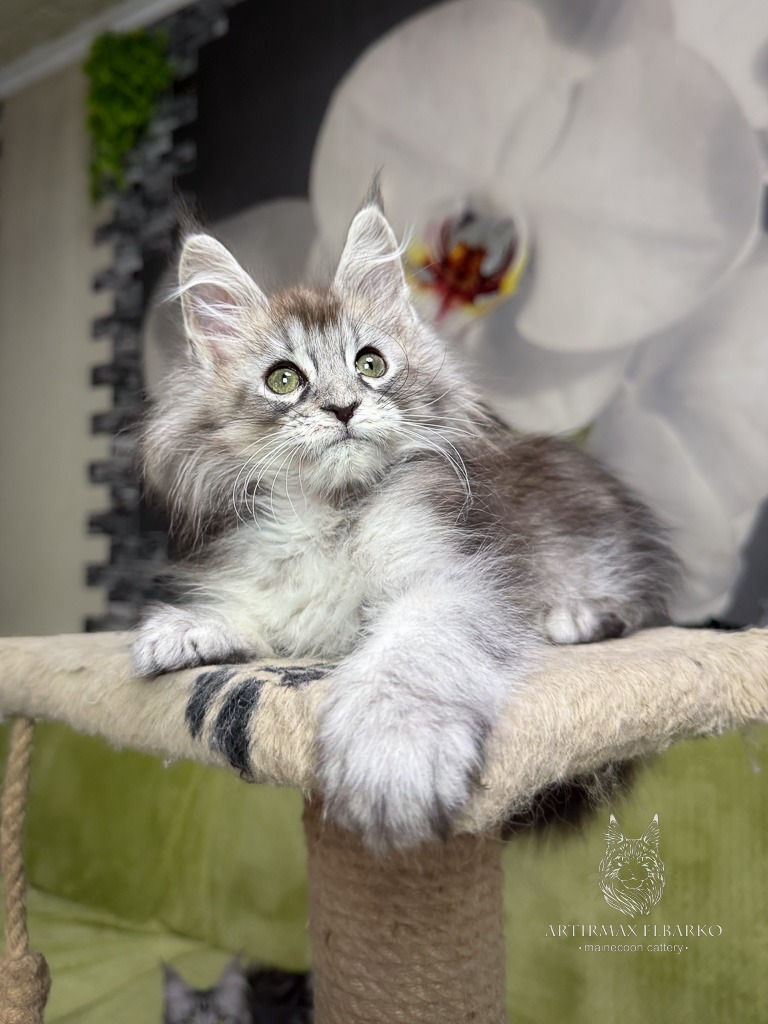
First, choose a kitten in the Kittens section of our website.
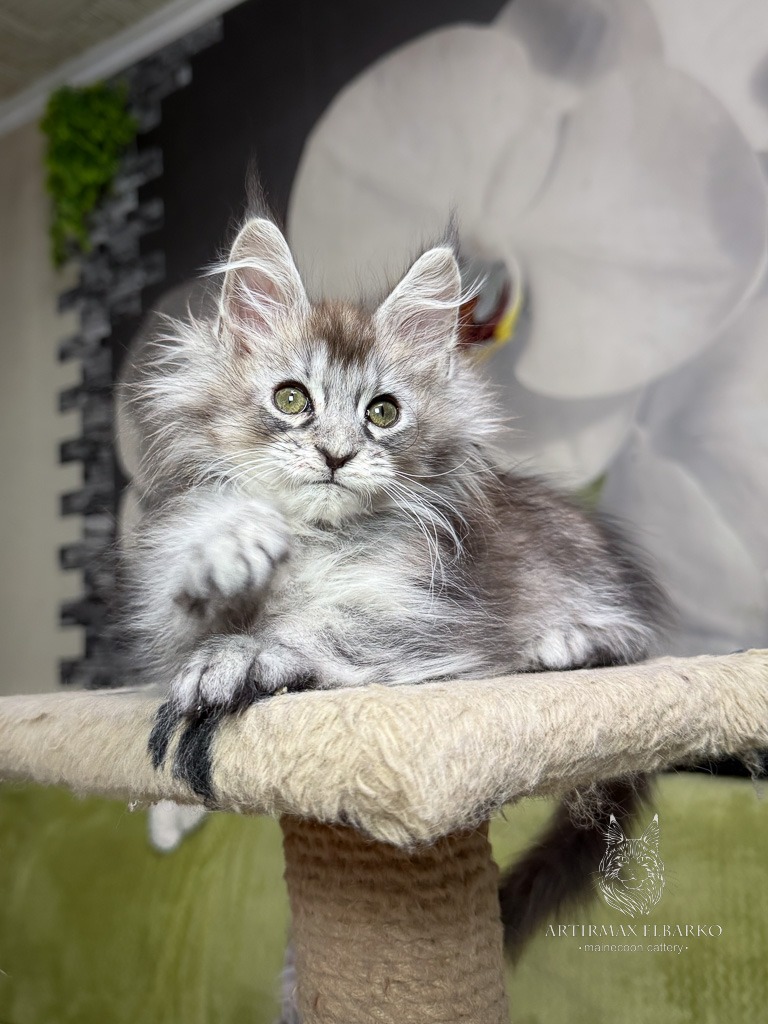
There you can see photos, basic information about each kitten, and their availability status.


Step 2 — Contact us

If you like a kitten, please contact us and tell us which kitten you are interested in and where you are located.
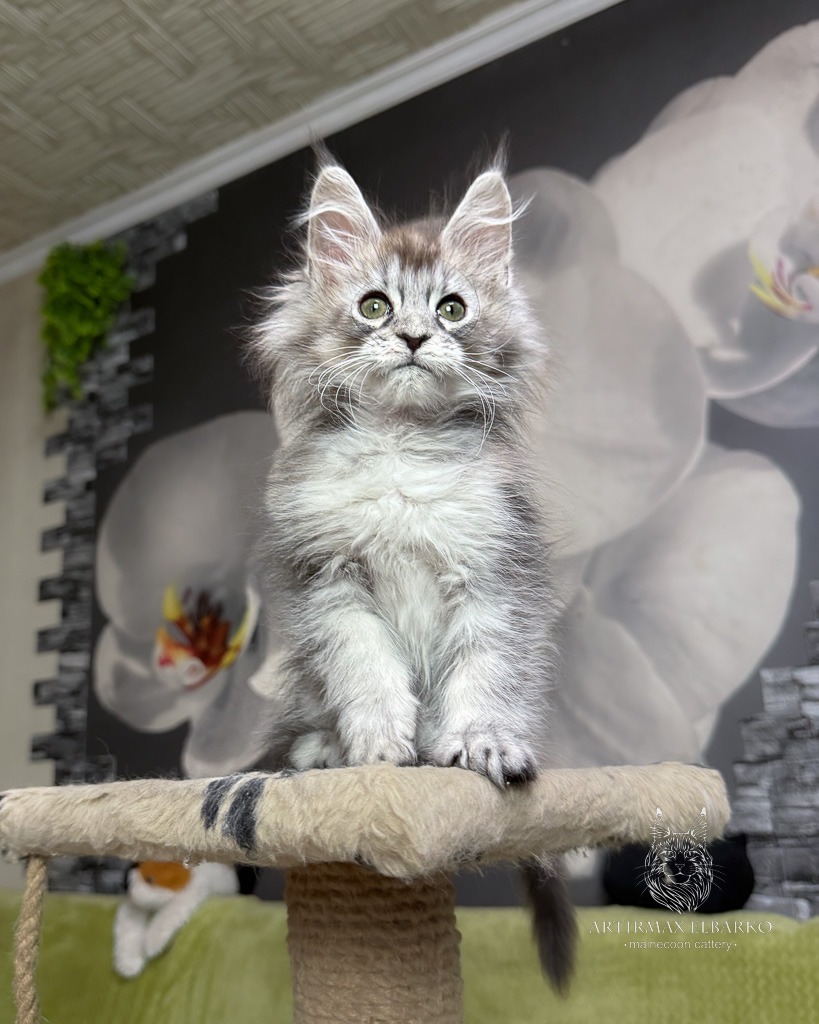
We will answer your questions and confirm whether the kitten is still available.
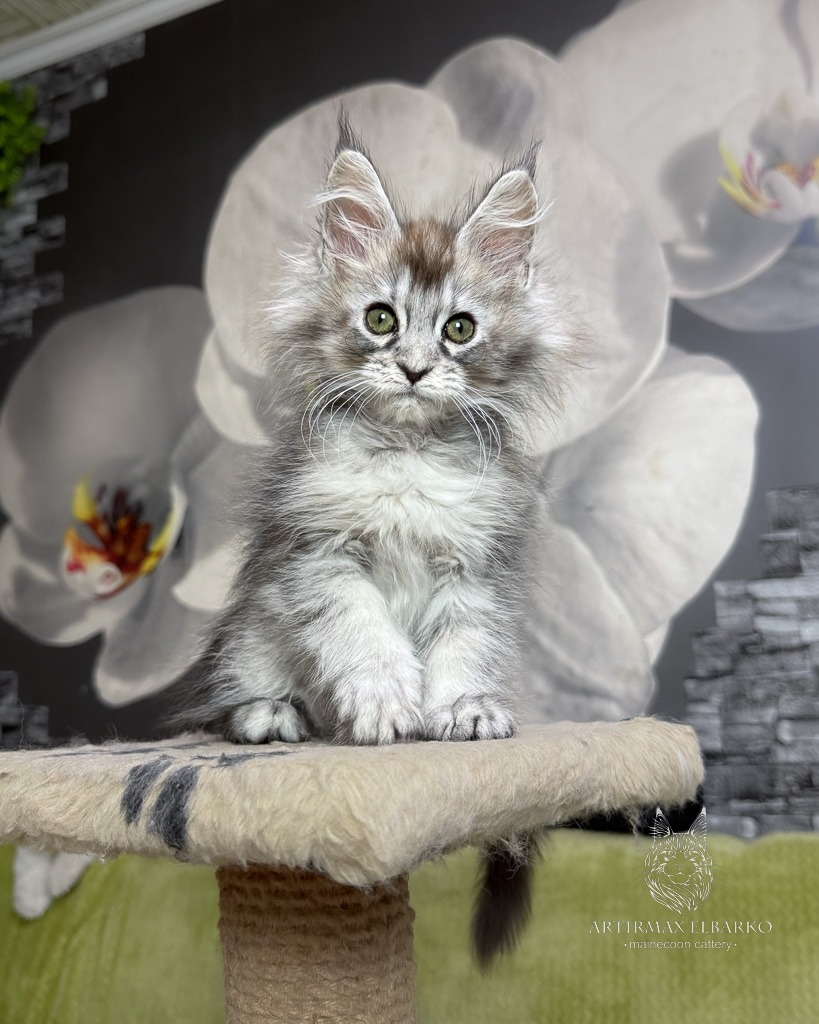
 

Step 3 — Reservation and payment

You can pay either the reservation deposit or the full price of the kitten.

If the kitten is still young, a 30% deposit is required to reserve the kitten.
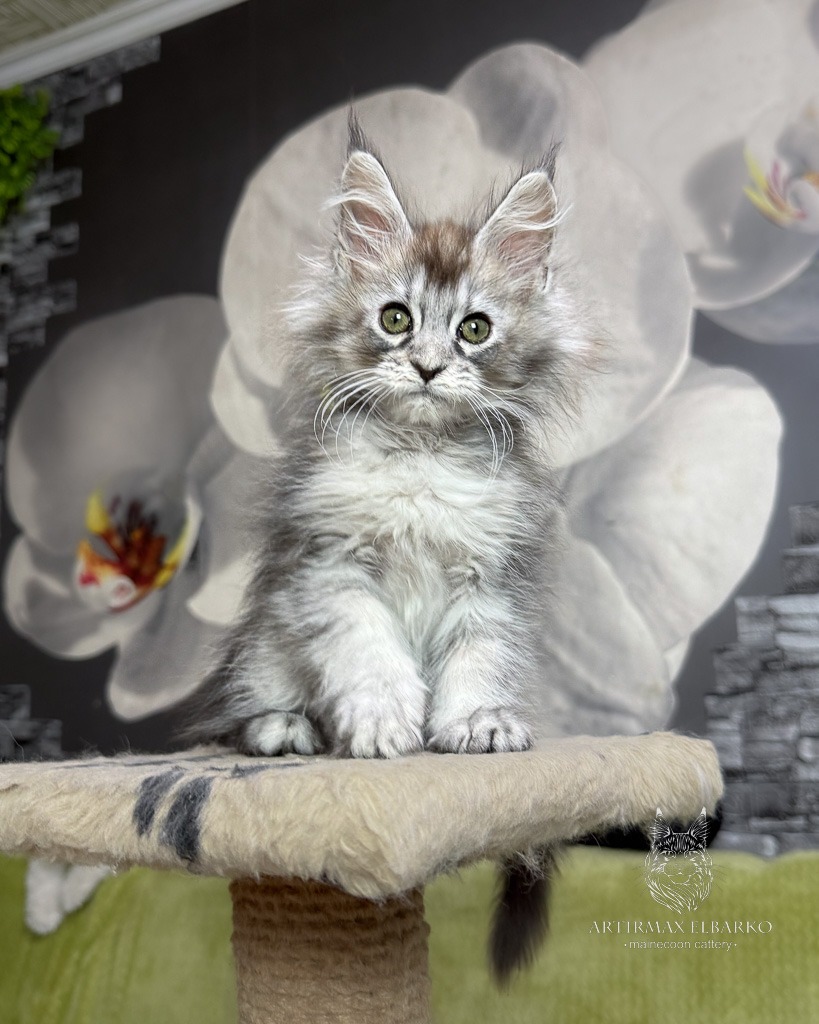
If the kitten is already ready to leave the cattery, the kitten is paid in full.
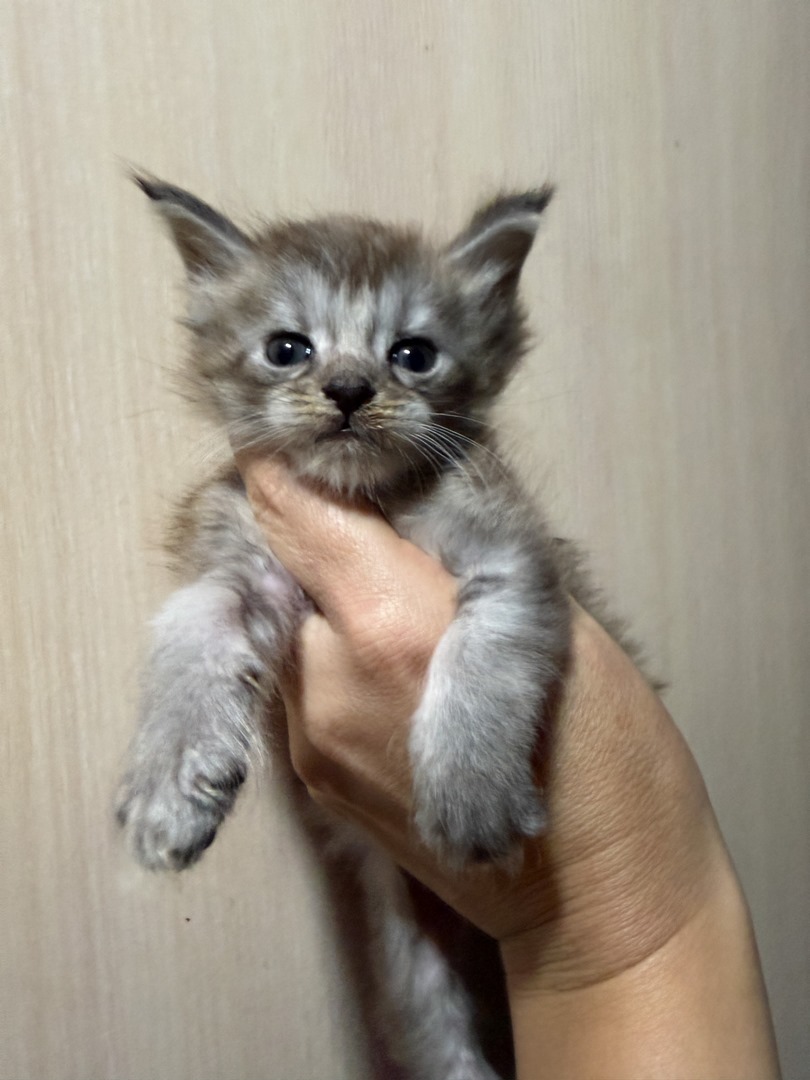
After the deposit is received, the kitten will be marked as Reserved and will no longer be available to other families.
The reservation deposit is non-refundable.


Step 4 — Final payment

If a deposit was paid, the remaining balance must be paid no later than 10 days before the kitten leaves the cattery.
 

Step 5 — Pet or breeding kitten
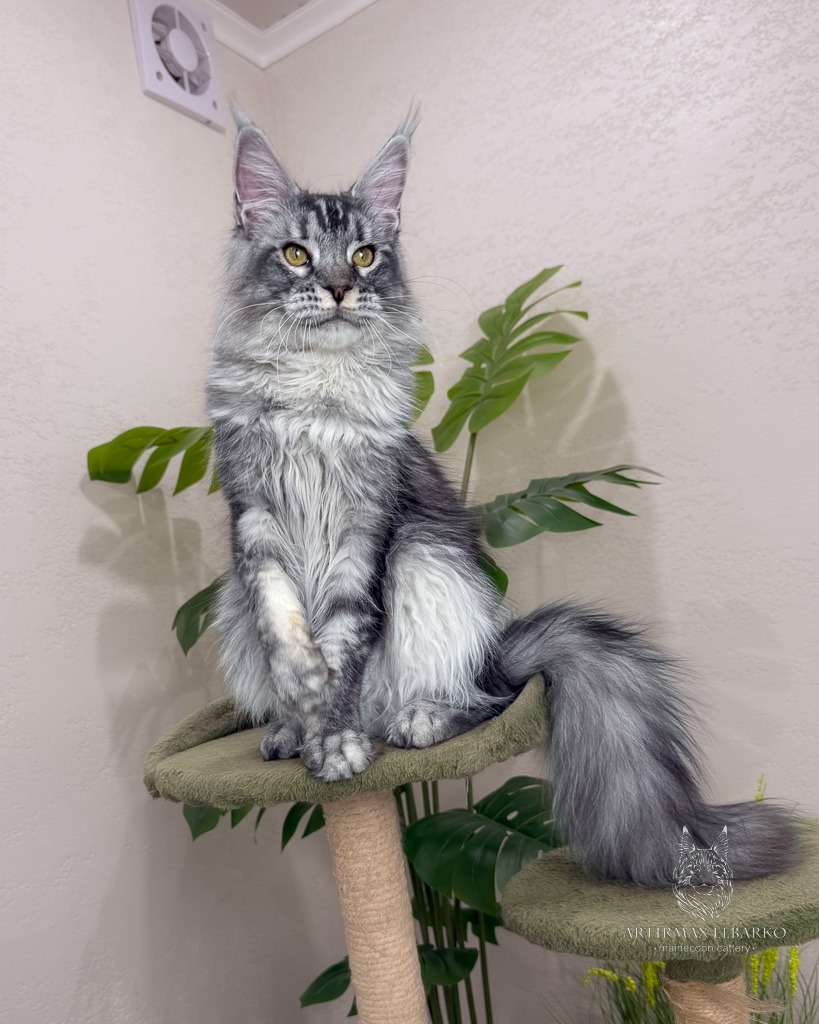
Kittens sold as pets leave our cattery already spayed or neutered.

Kittens for breeding are offered only to responsible and established catteries.

If you are interested in a breeding kitten, please introduce yourself and tell us a little about your cattery.


Step 6 — Transportation

Kittens can travel to their new homes from the age of about 4 months, after completing vaccinations and receiving all necessary documents.

Please note that transportation costs are not included in the price of the kitten and are paid separately.
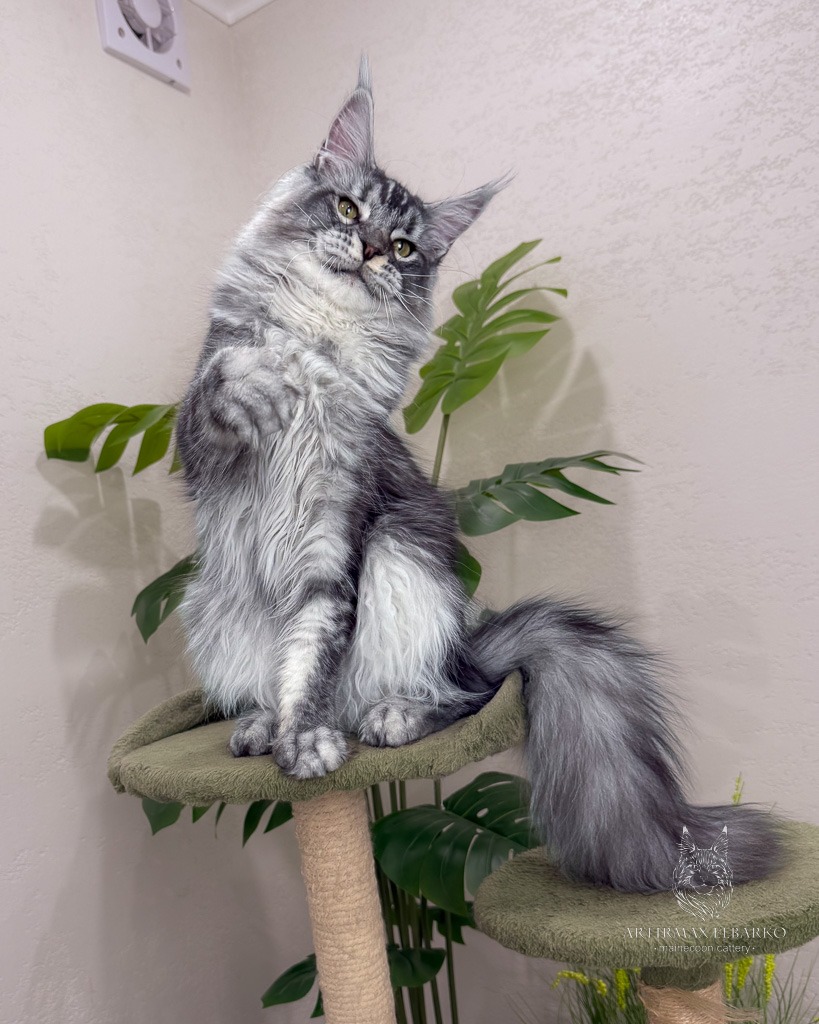
 

We help organize safe international transportation for our kittens.


Maine Coon Weight and Growth Chart

Maine Coon Growth and Weight by Age

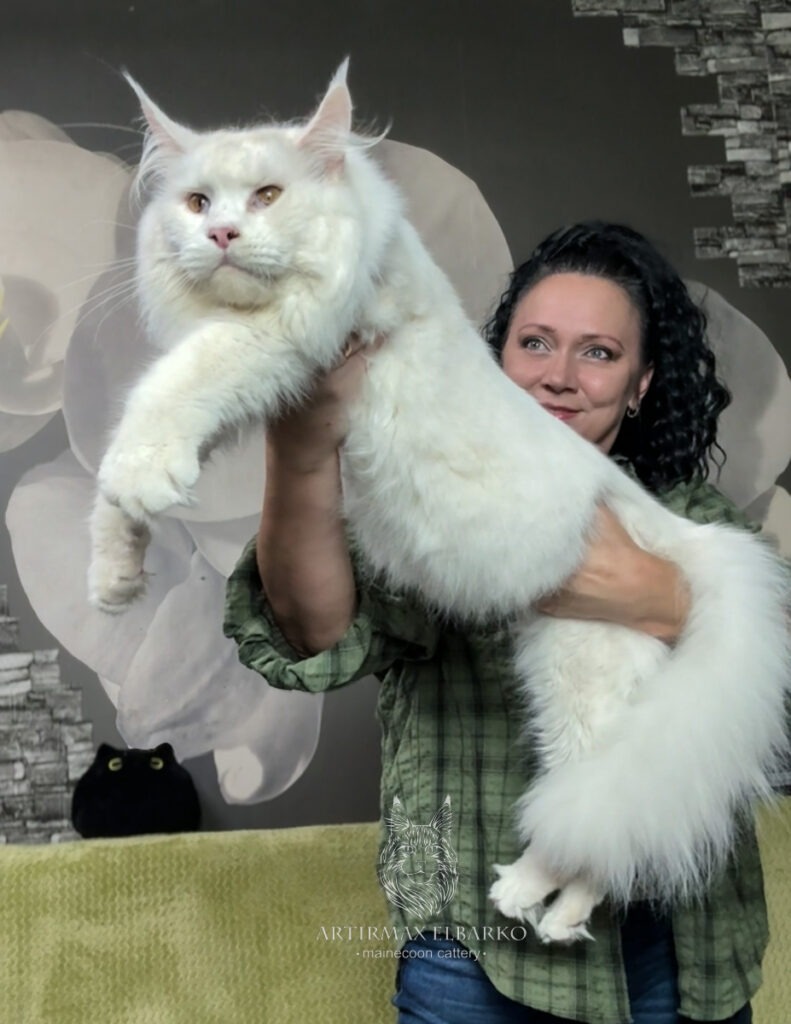
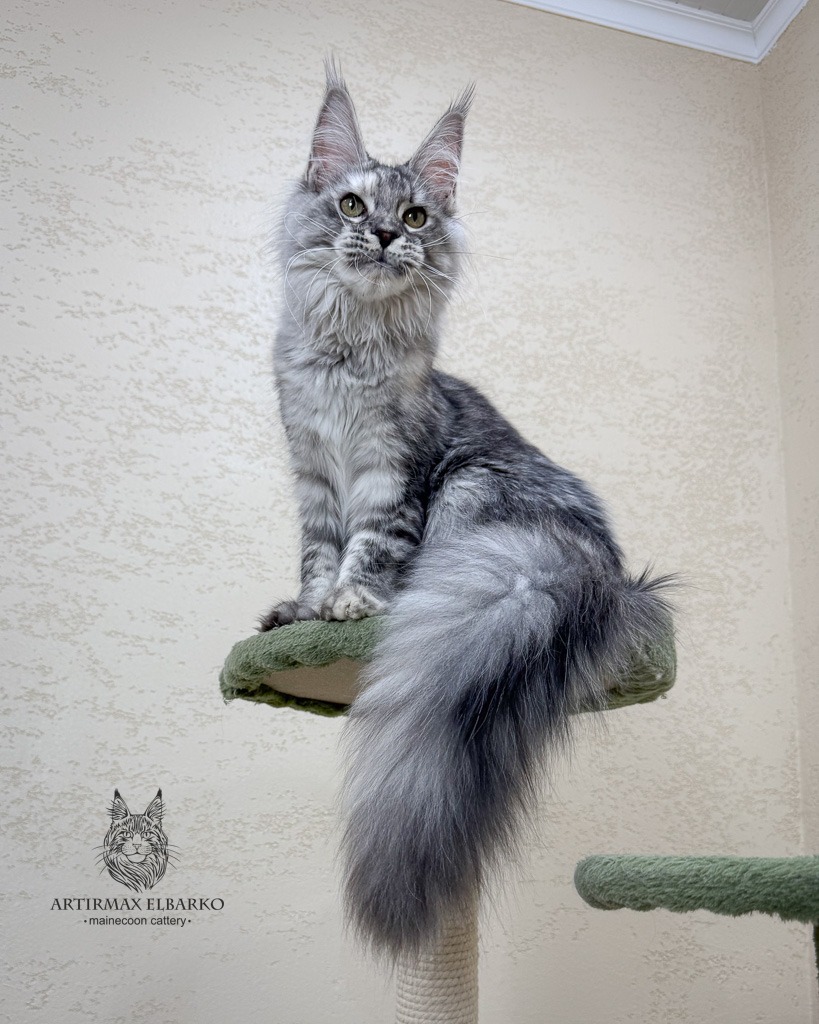
Maine Coons are one of the largest domestic cat breeds in the world, and it is almost impossible to confuse them with any other breed. Their long body, strong bone structure, thick coat, large ears with lynx-like tips, and luxurious tail make them truly impressive cats.

An adult Maine Coon can reach a body length of more than 100 cm (from nose to tail tip). The longest Maine Coon ever recorded measured 123 cm.

Because of their impressive size, many people believe that Maine Coons should weigh 15–20 kg. In reality, this is a myth.

The weight of a healthy Maine Coon is usually similar to that of other large domestic cats. On average:

Females: 5–7 kg
Males: 7–9 kg

Neutered males can sometimes reach 10–13 kg, depending on genetics and body structure.

What affects the growth of a Maine Coon kitten
The growth and development of a kitten depend on several important factors:
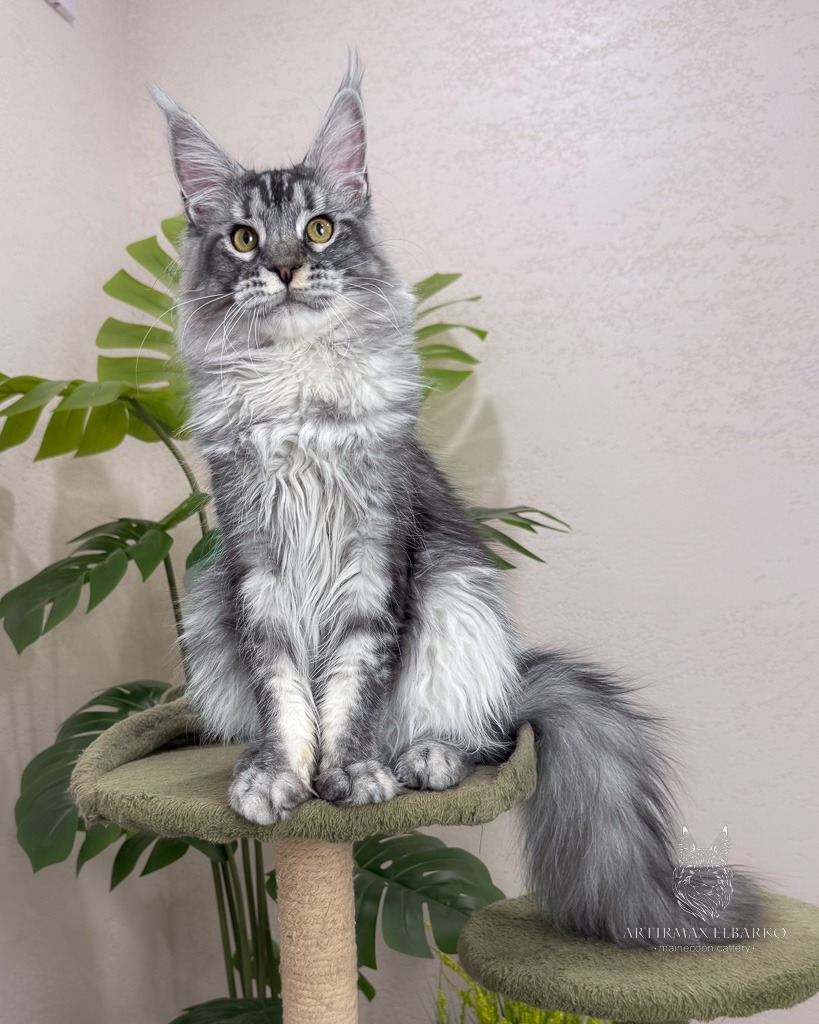
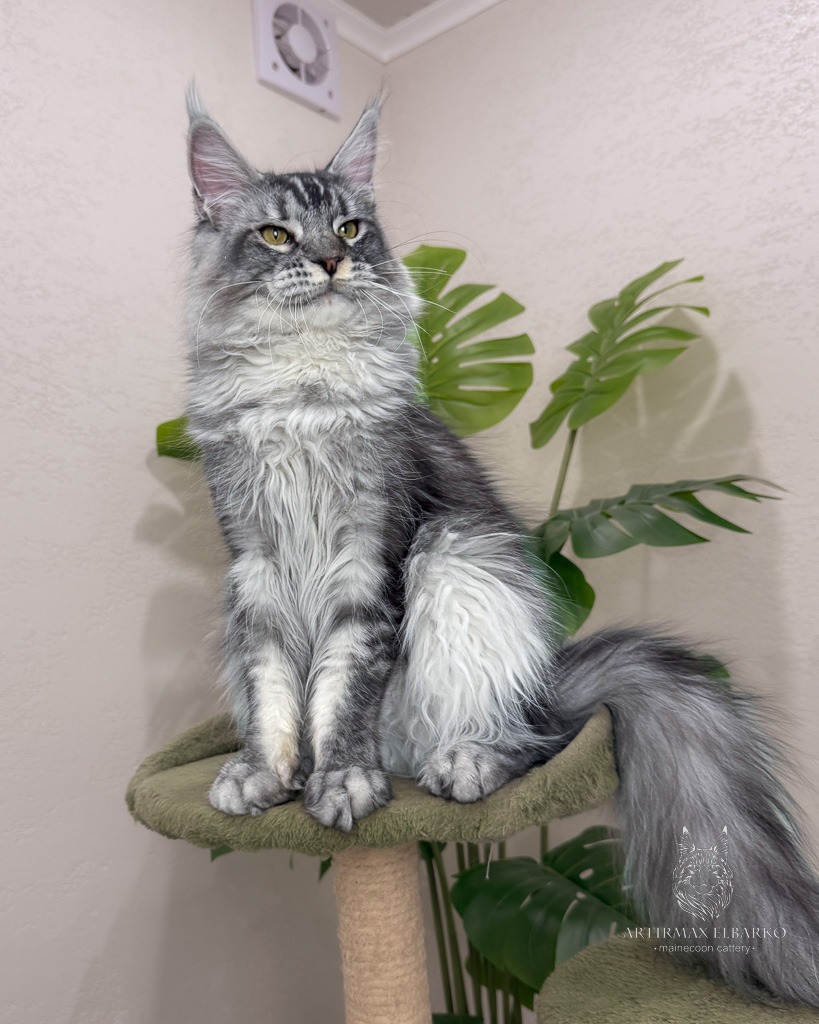
• Gender — male kittens are usually larger and gain weight faster
• Genetics of the parents
• Size of the mother cat
• Number of kittens in the litter
• Nutrition of the mother during pregnancy and nursing
• Balanced nutrition during kitten growth
• Living conditions and general care
• Stress levels in the environment

Even kittens that are born smaller can grow into large and strong cats if they receive proper care and nutrition.

Maine Coon weight by months

The following table shows average growth indicators for Maine Coon kittens. These numbers are approximate and may vary depending on genetics and individual development.

AgeMale Weight (g)Female Weight (g)
Newborn105-150100-130
1 week175-270170-240
1 month630-750550-680
2 months1100-16001000-1400
3 months1800-23001600-2300
4 months2500-35002000-3000
5 months3200-55002900-4000
6 months3900-60003200-4500
7 months4200—65003500-4600
8 months4500-70003800-5000
9 months5000-73004000-5200
10 months5200-80004000-5500
11 months5700-80004300-6000
12 months5700-87004500-6500
18 months6000-100004500-7000
3 years and older6000-110004500-7500

All these numbers are average guidelines, not strict rules.

Some kittens grow faster, while others develop more slowly but continue growing longer. This is completely normal.

The final size and weight of a Maine Coon are usually reached at around 3 years of age.

The most important thing is not the largest possible weight, but a healthy, strong, and well-developed cat.

———-

It is important to understand that Maine Coons are known for their large size and impressive appearance, but extremely heavy cats weighing 15 kg or more are not typical for the breed.

In many cases, such weight indicates obesity, which can lead to serious health problems affecting the joints, heart, lungs, and other organs.

Sometimes exaggerated weights are also used in advertising to attract buyers who hope to grow a “giant” cat. In reality, a healthy Maine Coon should have a strong body structure and balanced weight, not excessive body mass.

Responsible breeders focus on health, strong bone structure, and correct breed type, rather than unrealistic size expectations.

About our Cattery

 The story of our Maine Coon cattery began in 2014, when I visited a cat show in my city and saw this incredible breed for the very first time. Their impressive size, wild beauty, and gentle character fascinated me instantly, and I knew that Maine Coons would become an important part of my life.

Only six months later, my dream came true when my first Maine Coon joined my home. From that moment on, my life became closely connected with this remarkable breed.

Between 2014 and 2016, I devoted a great deal of time to studying the breed — learning about Maine Coon genetics, health, breeding principles, and proper care. Those years were dedicated to gaining a deep understanding of the breed before taking the next step.

In 2016, our cattery was officially registered with the WCF (World Cat Federation). Around the same time, my sister joined me in this journey, and our cattery gradually became a true family project.

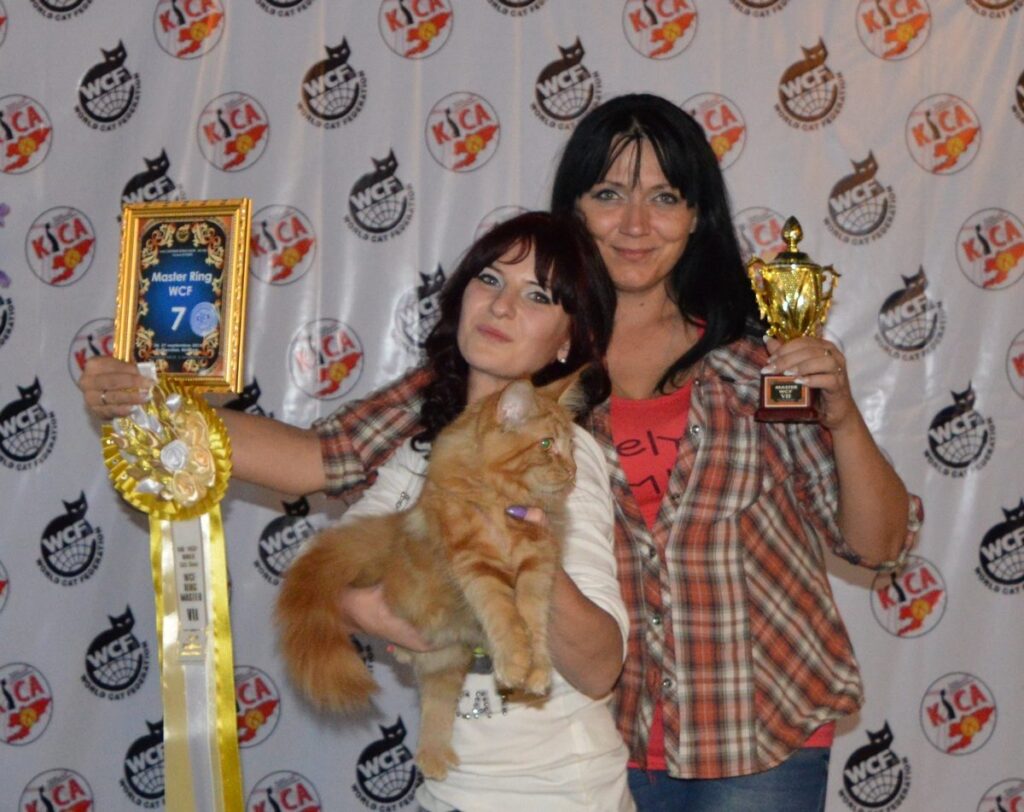
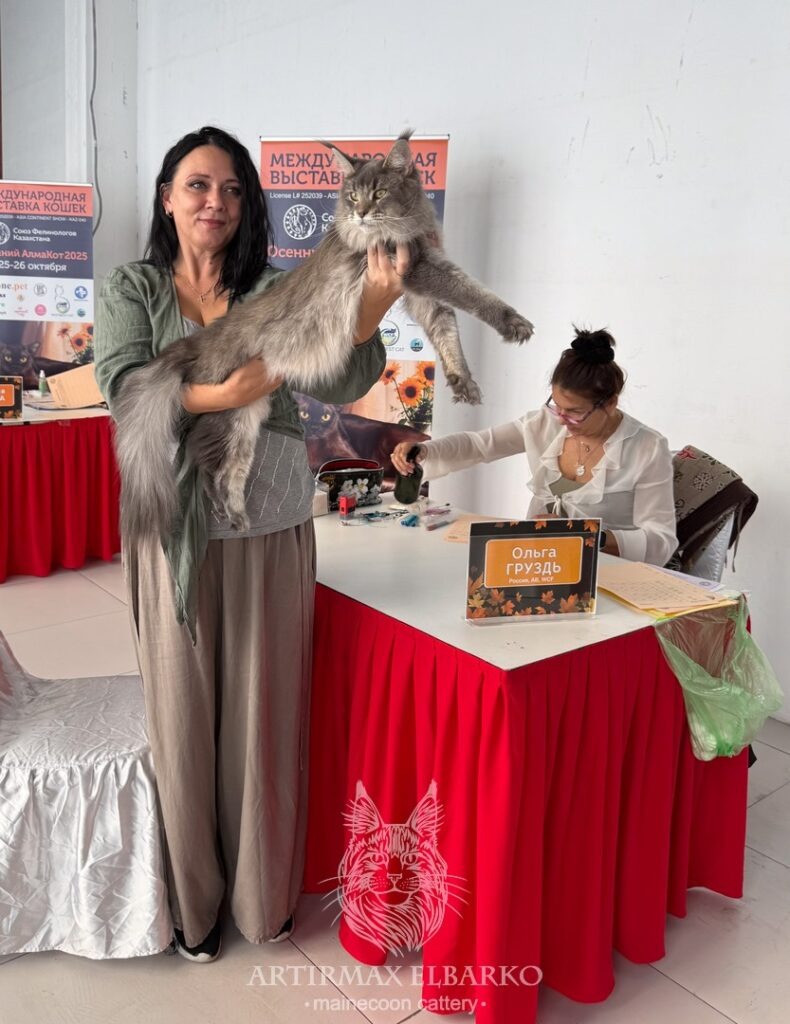
Our cats regularly participate in international cat shows, where many of them have earned prestigious titles such as Champion, International Champion, and Grand International Champion. We are also very proud of our graduates who live in different countries and successfully participate in cat shows, continuing the achievements of our cattery.

Today, both my home and my sister’s home are dedicated to our beloved Maine Coons. Our cats live with us as part of our everyday life, surrounded by care, attention, and constant interaction with people.

From their very first days, our kittens grow up in a warm home environment. They are handled daily, gently socialized, and accustomed to grooming and everyday household life.

The health and well-being of our cats and kittens is always our top priority. We carefully select our breeding lines and pay close attention to health, temperament, and the correct breed type in our breeding program.

Over the years, our kittens have joined loving families in many countries around the world, including the United States, Canada, several European countries, Japan, and parts of Southeast Asia.

For us, breeding Maine Coons is not simply work — it is a passion, a responsibility, and a deep love for this extraordinary breed.